Score |
21






Harmattan Came Late

<p>It is supposed to be the most wonderful time of the year. In the West, Christmas arrives with snow and silence; here, it is meant to come with the northeast trade wind, harmattan, dry and familiar, announcing December before the calendar does. Harmattan is punctual by nature. She cools the nights, cracks our lips, dusts the air, and signals — without ceremony — that something sacred is near.</p><p>But lately, she has been showing up late.</p><p>December arrived the way it always does — with traffic thick as memory, with suitcases dragging joy behind them, with everyone and their grandmothers suddenly back in town. The streets are loud, swollen with expectation. The calendars insist it is Christmas. But the air does not agree. Harmattan came late this year, and we felt it not just on our skin, but in our spirit.</p><p>December is meant to bite. It is meant to restrain the heat, to quiet the nights, to remind us that the year is ending and something older than commerce is approaching. Instead, the heat lingered. Sweat clung stubbornly to our backs. The wind hesitated, as if even the seasons were unsure whether Nigeria was still worth arriving on time for. Harmattan came late — the way joy has been coming late, the way relief keeps missing its cue.</p><p>This Christmas, hunger is louder than carols. You hear it clearly in the voices of people selling survival by the roadside — pure water, gala, oranges — their dignity priced in naira that loses value between morning and nightfall. Abject poverty is no longer shocking; it has settled into permanence. It hums beneath conversation, patient and inescapable.</p><p>Down south, the Niger Delta continues to bleed. Oil spills slick the water black, poison the soil, and raise children who learn early that life here is something you negotiate with death. Gas flares burn without interruption, emissions rising like prayers to a god that answers only shareholders. The air thickens. Breathing feels temporary as though you're running on borrowed time. </p><p>Up north, the ground is being stolen quietly. Illegal mining has become an unspoken economy, a shadow industry thriving in the North-West and North-Central regions. Gold, lithium, and other buried promises are ripped from the earth, not for national growth, but to bankroll violence. The same soil meant to sustain life now funds banditry, buys weapons, and feeds instability. Communities are left with poisoned land, collapsed livelihoods, and grief that travels faster than regulation. What is taken from beneath the ground returns above it as blood.</p><p>In Lagos, night no longer arrives naturally. Neon signs and generator lights hold the sky hostage. The stars have been erased. Orion’s belt, once a guide, has disappeared behind billboards advertising things no one can afford. We have traded constellations for convenience and forgotten what it meant to look up without wanting something.</p><p>Climate change presses closer. Global warming tightens its grip. The seasons no longer keep promises. And the IJGBs return home, carrying accents polished by distance and dollars earned elsewhere. Capitalism follows them like an obedient shadow. Prices inflate overnight. A hairstyle demands a month’s rent. Value is measured in foreign currency by people who no longer remember where they are. Local currency is mocked. Reality is optional.</p><p>Only a narrow minority can still afford what Christmas used to feel like. For everyone else, festivity has become theoretical. Joy is rationed. Soft life is myth. Insecurity simmers beneath the noise — kidnappings, killings, entire communities swallowed quietly — but our attention has been expertly redirected. Detty December. Aesthetics. Vibes. If we keep dancing loudly enough, perhaps the blood will stay out of frame.</p><p>Harmattan came late. Like development. Like leadership. Like the future we were promised. The delay has become symbolic — a country stalled in regression, moving backward while insisting on motion. Even the weather seems to hesitate, as though arriving on time here is an act of misplaced optimism.</p><p>Or perhaps not, perhaps her lateness is just like that of our African aunties, strolling in to an event 4 hours after the scheduled time. "African time" they said. I believe "irresponsibility" is a better term. </p><p>And somewhere in the noise, the season lost its meaning.</p><p>I saw a post recently: “Christmas is tomorrow and I’ve not done maintenance.” As if Christmas is hair. As if it is nails. As if the miracle ever depended on looking prepared. Joy has been reduced to presentation. </p><p>We say Christ is the reason for the season, but our lives do not suggest we believe it. Jesus was not born into elite society; He was born under occupation, into a system already collapsing. He was born to die — not metaphorically, not eventually, but deliberately. Born into poverty. Born into inconvenience. Born where power had already decided who mattered and who did not.</p><p>And yet, even that story has grown dull to us, worn smooth by repetition and noise. We remember the aesthetics of Christmas better than its meaning. We prepare our bodies for celebration and leave our spirits unattended. Faith becomes performance. Reverence becomes optional.</p><p>In this December, Christ does not feel central. He feels ceremonial. Referenced, not followed. Quoted, not waited for. We invoke His name, but we no longer make room for His arrival.</p><p>And perhaps that is why harmattan hesitates.</p><p>Creation, after all, answers to God. The winds know their Maker. The seasons were designed with obedience written into them. If joy delays, if cold withholds itself, if the air refuses to change on cue, perhaps it is not confusion but recognition.</p><p>Perhaps harmattan is waiting.</p><p>Waiting on a people who have forgotten their first love.</p><p>Waiting on a season emptied of its centre.</p><p>Waiting for Christ to be more than just a caption.</p><p>So she comes late.</p><p>Not absent — just delayed.</p><p>As if even the wind understands that arrival without remembrance is meaningless.</p><p>Carefully.</p><p>Reluctantly.</p><p>As though she, too, is unsure whether this is still a place prepared for Him.</p>


 116
116


Other insights from Aima




Referral Earning

Points-to-Coupons

Insights for you.

Eren Yeagar and Freedom's cage
Warning: this article contains spoilers for Attack on TitanWhat becomes of the humanity...
1871 views
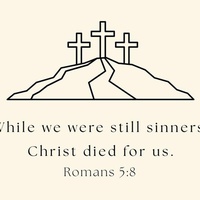
12 upvotes
8 comments

Who says who we are?
The Milindapahna tells the tale of a king, Milinda and his conversation with Buddhist s...
896 views
5 upvotes
1 comment

Leaving the Underground
I’ve been thinking a lot about freedom lately—the nature of it, the way it defines huma...
779 views
9 upvotes
4 comments


Passion's Tragedy
Once upon a time, romantic love came to be. In one version of the story, the pair of he...
755 views
5 upvotes
2 comments





PARADOX
Life is a paradox, a riddle wrapped in contradictions, as sweet as honey yet laced with...
603 views
4 upvotes
3 comments

The Dreamer Who Dreamed
There once lived many dreamers, their minds brimming with vast ideas, visions of empire...
580 views
3 upvotes
4 comments



561 views
7 upvotes
9 comments






























Comments