Score |
285




Student @ Babcock University



Gbé Ara Ẹ Dáadáa: So They Will Not Say ‘Ó Bàjẹ́’
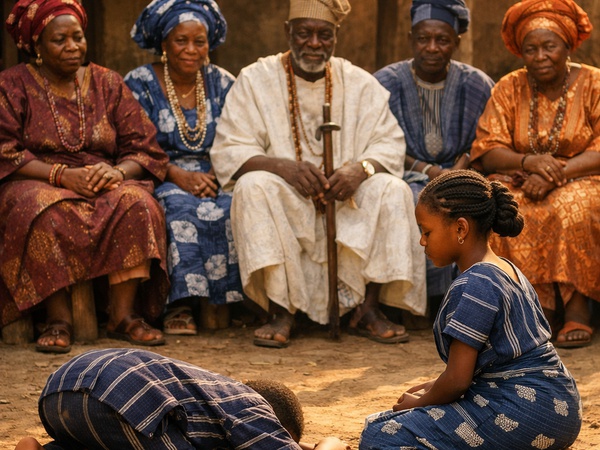
<p><br/></p><p><em>Ó Bàjẹ́</em>.</p><p>If these words are ever uttered about you,</p><p>just know<em> Ẹ lè rí ọkọ gba</em>,</p><p>(No marriage for you)</p><p>That is what my mother told me.</p><p>And that is what her mother told her.</p><p>It means, “You are spoilt" but in Yoruba, it translates to <em>e lè kọ́</em>, (you lack home training.)</p><p>And that becomes your character, your reputation, your future.</p><p>It is a slap on your mother’s face.</p><p>Because <em>Ọmọ tí a kó nílé, kì í gba ọmọ ile.</em></p><p>(A child without home training cannot inherit proper manners.)</p><p>In Yoruba, Words are prophecies, warnings, and instructions all at once.</p><p>You will hear mothers shout</p><p>“<em>Má jókòó bí ọmọ tí kò ní ilé!”</em></p><p>Do not sit like a child without home training.</p><p>“<em>Rántí ẹni tí o jẹ.”</em></p><p>Remember who you are.</p><p>And “<em>Ṣé o fẹ́ kí wọ́n sọ pé ó bàjẹ́?”</em></p><p>Do you want people to say you are spoilt?</p><p>no casual questions.</p><p>Just threats disguised as advice.</p><p>In my culture, character is currency.</p><p>And good children means wealth.</p><p>So they watch</p><p>How he greets: <em>“Ẹ kú àárọ̀ ma.”</em></p><p>How she kneels: “<em>Ẹ kúnlẹ̀ dáadáa</em>.”</p><p>How she dresses: “<em>Rárá o, o lè wọ èyí tẹ̀lé mi lọ.”</em></p><p>How he laughs: “<em>Wò ó bí o ṣe ń rẹ́rìn-ín bí ẹranko</em>.”</p><p>How they speak<em>: “Ẹ sọ̀rọ̀ sókè.”</em></p><p>And they comply because</p><p>“<em>Ọjọ́ kan, wàá fẹ́ ọkọ o.”</em></p><p>One day you will get married.</p><p>Yoruba heritage is not only discipline.</p><p>It is stories, superstitions, and laughter woven into fear.</p><p>Like growing up hearing</p><p>“<em>Má fi aṣọ síta lálẹ́ o!”</em></p><p>Because demons might wear your clothes to their night party.</p><p>Or being told “<em>Má gba ilé lálẹ́ o!”</em></p><p>You might sweep away your blessings.</p><p>Or that whistling at night invites <em>Èṣù</em> himself.</p><p>teaching obedience in the language of fear.</p><p>But beneath the warnings, the proverbs, and the sharp corrections,</p><p>there was love and we know this because</p><p>“<em>Bi omo ba subu, ki iya ki i kó’ku.”</em></p><p>(If a child falls, the mother does not leave him.)</p><p>Yoruba people are custodians of identity.</p><p>We greet elders with our whole bodies.</p><p>We say “<em>Ẹ kú ìṣẹ́</em>”, thanking them for their hard work.</p><p>We name children with strong meanings.</p><p>We speak in proverbs:</p><p> <em>Oro tó bá jẹ́ ọgbọ́n, la fi ń sọ.”</em></p><p>(Wisdom is wrapped in words.)</p><p>My mother tongue is not just a language.</p><p>It is discipline, rhythm, respect, expectation.</p><p>It is the sound of parents correcting.</p><p>The echo of my grandmother’s stories.</p><p>The warning in “<em>Ṣé ọ́rí ẹ̀ o kpé?”</em></p><p>My language comes with kneeling to greet,</p><p>with midnight runs to rescue clothes from demons,</p><p>and the constant reminder to carry myself well,</p><p><em>gbé ara e dáadáa,</em></p><p>so that no one will ever look at you and say</p><p><em>“Ó bàjẹ́</em>.”</p>
Competition entry
|
International Mother Language Day


 40
40


Other insights from Laseeee












Referral Earning

Points-to-Coupons

Insights for you.




THE MEETING
Sometimes it takes one meeting for our lives to change forever. It was never Femi'...
1198 views
12 upvotes
12 comments



OMÓ ÉSAN
They say the apple does not fall far from the tree, but I was the exception, or I was s...
1142 views
13 upvotes
5 comments





























Comments