Score |
648






MEN AND WOMEN: STRENGTH IN DIFFERENCE

<p><br/></p><p><br/></p><p>In today’s world, there is a lot of debate about men and women, and sometimes it turns into one side trying to prove the other is less important. Some people say men are not useful, while others try to bring women down. But the truth is much simpler and more powerful: both men and women are important, and society works best when we recognize that.</p><p><br/></p><p>Men and women have different strengths, whether physical, emotional, or psychological. Historically, men have often taken roles that required physical strength and risk, while women have contributed in ways that require resilience, care, and emotional intelligence. These differences are not weaknesses—they are complementary.</p><p><br/></p><p>It is also true that both men and women have achieved incredible things. There are great scientists, leaders, thinkers, and innovators on both sides. Success is not limited by gender but by effort, opportunity, and determination. Anyone, regardless of being male or female, can rise and achieve something meaningful.</p><p><br/></p><p>The real problem begins when people try to turn equality into competition. Equality should not mean proving one gender is better than the other. Instead, it should mean giving everyone the chance to grow, contribute, and succeed.</p><p><br/></p><p>Men are not useless. Women are not weak. Both are necessary.</p><p><br/></p><p>A balanced society is not built on division, but on understanding. When men and women respect each other’s strengths and support each other’s growth, everyone benefits.</p><p><br/></p><p>In the end, it is not about who is better. It is about how we can all become better together.</p>


 213
213


Other insights from Udoka Gift


Referral Earning

Points-to-Coupons

Insights for you.
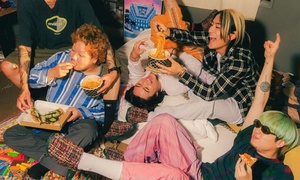

Gen Z, Are We.... Hungry?
If aliens were to read our texts, they'd think Gen Z are in a perpetual state of starva...
516 views
49 upvotes
54 comments



In Her Likeness.
I hail from the southwestern part of Nigeria, and oftentimes, when I walk through the n...
105 views
43 upvotes
49 comments
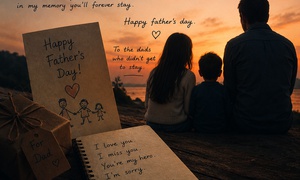

Dear Dad
Dear dad,It's been 7 years, 3 months and 1 day and your name still echoes in my brain.W...
213 views
44 upvotes
35 comments


Curiosity or Clout?
Omooo I have a bad habit. 😭Whenever something starts trending in Nigeria, I click on it...
143 views
32 upvotes
41 comments
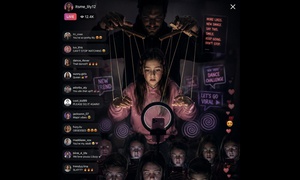
I Think We Broke Gen Alpha
I think we broke Gen Alpha...Yesterday I opened TikTok.A child who couldn't have been o...
242 views
35 upvotes
36 comments


GOD IS A GIRL DAD.
Fathers and daughters, a match made in heaven.Literally.They say a girl's first love is...
412 views
27 upvotes
28 comments


Insufficient!
I met a young man this evening in a shared ride, first it was Arsenal that got us talki...
536 views
30 upvotes
38 comments