Score |
5






The olodo uprising

<p>The Olodo Uprising: Are We Rewarding Ignorance or Authenticity?</p><p><br/></p><p>In recent years, social media has transformed ordinary people into celebrities overnight. A single viral video, catchy phrase, or humorous moment can earn someone millions of views, endorsement deals, and nationwide recognition. One of the latest conversations to dominate online spaces is what many have called “The Olodo Uprising.” While the phrase is often used humorously, it raises an important question: Are we rewarding ignorance, or are we simply celebrating authenticity?</p><p><br/></p><p>The word olodo is a Nigerian slang term commonly used to describe someone who appears academically weak, uninformed, or slow to understand things. Traditionally, being called an olodo was considered an insult. Today, however, the internet has changed the narrative. Some personalities who are mocked for poor grammar, lack of formal education, or unconventional behavior have become some of the most influential figures online. Their popularity has sparked debates about what society truly values.</p><p><br/></p><p>Those who believe we are rewarding ignorance argue that social media has lowered the standards for success. Instead of celebrating intelligence, innovation, and hard work, audiences often make viral stars out of people simply because they make mistakes, speak incorrectly, or behave in unusual ways. This trend can create the impression that education is no longer important and that entertainment is enough to achieve fame and wealth.</p><p><br/></p><p>Young people are particularly vulnerable to this message. When they see individuals becoming successful for actions that appear to celebrate a lack of knowledge, some may begin to believe that studying, developing skills, or pursuing excellence is unnecessary. In a society already battling educational challenges, this perception could discourage academic ambition and personal development.</p><p><br/></p><p>On the other hand, supporters of these internet personalities argue that the issue is not ignorance but authenticity. They believe people are tired of perfection and are drawn to individuals who are unapologetically themselves. Social media has created a platform where personality, confidence, humour, and relatability often matter more than polished appearances or perfect English.</p><p><br/></p><p>Many of these viral figures did not intentionally become famous because they lacked knowledge. Instead, audiences connected with their honesty, resilience, and ability to entertain. Some have used their newfound popularity to improve their lives, support their families, start businesses, and inspire others from disadvantaged backgrounds. Their success demonstrates that everyone deserves an opportunity, regardless of educational background.</p><p><br/></p><p>It is also important to recognise that intelligence cannot be measured solely by grammar or academic qualifications. A person may struggle with formal education yet possess remarkable business sense, creativity, emotional intelligence, or entrepreneurial ability. Likewise, someone with multiple degrees may lack practical wisdom or interpersonal skills. Society should avoid reducing human potential to a single standard.</p><p><br/></p><p>However, authenticity should never become an excuse to glorify ignorance. Being genuine does not mean rejecting learning or refusing to improve. The most admirable public figures are those who remain true to themselves while embracing growth. They accept correction, acquire new skills, and continue developing without losing the qualities that made people love them in the first place.</p><p><br/></p><p>Content creators and influencers also have a responsibility to understand the impact of their platforms. Millions of young followers watch, imitate, and admire them. While entertaining audiences is valuable, promoting curiosity, education, respect, and continuous learning creates a more lasting legacy than simply going viral.</p><p><br/></p><p>The audience shares responsibility as well. Social media rewards whatever people engage with. Every like, share, comment, and follow contributes to determining what becomes popular. If society consistently celebrates content that promotes ignorance while ignoring creativity, innovation, and excellence, then the algorithms will continue amplifying those trends. Conversely, if audiences support creators who combine authenticity with meaningful content, the online culture will gradually evolve.</p><p><br/></p><p>Perhaps the debate itself reflects a deeper shift in society. For decades, success was measured mainly by academic qualifications and professional achievements. Today, influence is increasingly determined by connection, storytelling, and digital presence. Neither approach is entirely right or wrong. Education remains valuable, but so do creativity, originality, and emotional connection. The challenge is finding a healthy balance between them.</p><p><br/></p><p>Ultimately, the “Olodo Uprising” is not simply about ignorance or authenticity. It is about what society chooses to celebrate. Authenticity deserves recognition because genuine people inspire trust and connection. At the same time, knowledge, education, and personal growth deserve equal respect because they empower individuals to contribute meaningfully to society.</p><p><br/></p><p>We should encourage a culture where people are free to be themselves while remaining open to learning and self-improvement. Success should not come from mocking ignorance, nor should intelligence be used to belittle others. Instead, we should celebrate people who prove that authenticity and growth can exist together.</p><p><br/></p><p>In the end, the real question is not whether we are rewarding ignorance or authenticity. The real question is whether we are creating a society that values both honesty and continuous improvement. If authenticity becomes the starting point and learning becomes the journey, then everyone wins.</p>


 40
40


Referral Earning

Points-to-Coupons

Insights for you.



Drums Before Guns
Before we had tanks, we had talking drums. Before we had political parties, we had prai...
234 views
29 upvotes
26 comments

Tight purse strings: trying to mainta...
Tight Purse StringsChinedu stared at his phone, the banking app's balance glaring back ...
477 views
17 upvotes
14 comments

The Fallen Giant: A lament for Nigeri...
Oh My Country NigeriaOh My Country Nigeria, your soil drinks the tears of toddlers, l...
175 views
18 upvotes
18 comments
Classism in a third-world country is ...
If you've ever driven through Abuja, you'd see the absurd theater of our class wars. A ...
409 views
18 upvotes
24 comments
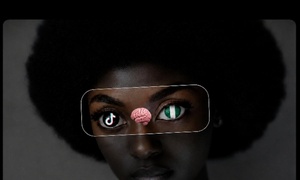

We Are All Olodo's
/oh-loh-doh/ A Nigerian slang used to describe someone who is dull, slow to grasp conce...
125 views
19 upvotes
19 comments


Olodo Must Go! Or Must He?
The Big Celeb runs for dear life.The mob is faster.“See him there!”“Him wan try run. Ca...
106 views
21 upvotes
16 comments


THIS IS NIGERIA- NOT ALL OF IT
Popo stop me I fear dem wan to shoot meSearch my bags like say He wan to loot meComot m...
377 views
14 upvotes
18 comments


A CASE FOR JANUARY.
The hype of December is the very sponsor of the dread of January. But upon closer exami...
983 views
16 upvotes
14 comments


Dear Chicken, Beware of Christmas
My mum is approaching the empty nest phase of life. My dad doesn’t live in Nigeria, so ...
343 views
12 upvotes
20 comments


Lagos..... The Agbero uprising.
In Lagos, Looking Rich Is Becoming a Security RiskThere is a new kind of anxiety that c...
108 views
16 upvotes
17 comments