Score |
9






Neglected Tropical Diseases in Nigeria: Seasonal Patterns and System Gaps
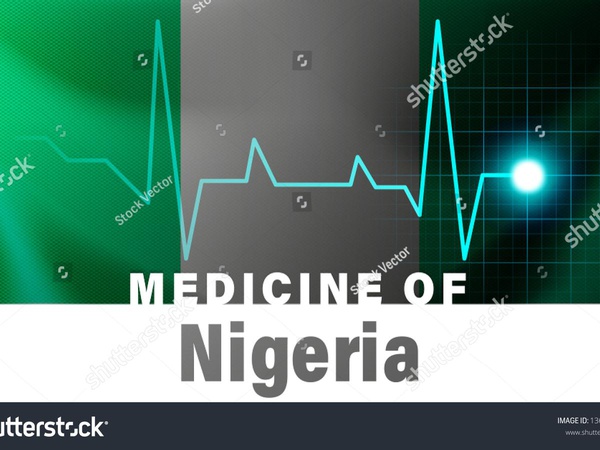
<p><img alt="" src="/media/inline_insight_image/1000169560.jpg"/>Neglected Tropical Diseases in Nigeria: Seasonal Patterns and System Gaps</p><p><br/></p><p>A lot of Nigerians live with neglected tropical diseases (NTDs) in a way that becomes “background noise” in daily life: itching that’s treated as normal, swollen limbs that are hidden, repeated stomach problems chalked up to food or stress, kids missing school because of pain or fatigue, and families spending money again and again on symptom relief instead of diagnosis. The trend isn’t just illness, it’s normalization and silence, especially in communities facing poor water/sanitation, limited access to health care, and stigma around visible conditions like hydrocele or skin changes.</p><p><br/></p><p>The dilemma is that NTDs are strongly seasonal in how they spread and how outbreaks feel on the ground, yet prevention and care are often not synchronized with the real calendar of risk. In the rainy months, flooding and stagnant water increase mosquito breeding (lymphatic filariasis, onchocerciasis exposure around rivers, malaria overlaps), while wet soil and poor drainage increase contact with infective larvae (soil-transmitted helminths). In the dry months, water scarcity pushes people toward unsafe sources, crowding at water points, and hygiene challenges that sustain transmission (trachoma risk in some settings) and complicate wound/skin care for people living with lymphoedema. Add late presentation, weak surveillance, stockouts, misinformation, and fear of stigma, and you get a cycle where treatable infections become chronic disability.</p><p><br/></p><p>The ideal is a year-round, month-by-month public health rhythm that matches Nigeria’s seasons, using medical and program terms: preventive chemotherapy through mass drug administration (MDA) with high coverage, integrated vector management, WASH (water, sanitation and hygiene) improvements, early case detection and morbidity management, and strong community engagement. Practically, that looks like: January–March (dry season) focusing on mapping and microplanning, training community drug distributors, supply chain readiness, baseline surveillance, and morbidity management for lymphatic filariasis (hygiene, skin care, antibiotics for acute dermatolymphangioadenitis, hydrocele referral). April–June (early rains) intensifying vector control, larval source management where feasible, community education, and initiating MDA in eligible LGAs (e.g., ivermectin + albendazole for lymphatic filariasis where appropriate; praziquantel for schistosomiasis in at-risk school-age children). July–September (peak rains) strengthening case finding, managing complications, ensuring rapid reporting, and targeted outreach in flooded/high-risk communities. October–December (rains easing into dry) doing post-MDA coverage validation, impact assessments, school deworming catch-up, data review, and planning the next cycle. This aligns prevention with transmission windows, reduces morbidity, and moves communities from “living with it” to actually breaking transmission.</p>


 2
2


Other insights from Zinnella




Referral Earning

Points-to-Coupons

Insights for you.

Surgeons' endurance during operations...
**How Long Can Doctors Stand During a Single Operation?**
When we think of the life ...
1404 views
6 upvotes
10 comments


WHY WAXING BEATS SHAVING
The first time I waxed, it was because of peer pressure. I had seen a lot of people do ...
1062 views
9 upvotes
5 comments

THE YEAST AMONG US
Yeast infections are a topic that most people would prefer to avoid, but let's face it,...
1055 views
5 upvotes
3 comments

HOW FRESH IS YOUR BREATH ?
I’m not even going to lie; the major reason why I take my oral hygiene seriously is bec...
990 views
9 upvotes
2 comments
Aliens and medicine
The field of medicine and the study of extraterrestrial life, or "aliens," are not dire...
978 views
9 upvotes
2 comments
The third line of the immune system
Let's continue our talk about the third line of immune system.
"Specific adaptive re...
924 views
13 upvotes
8 comments


HEALTH IS WEALTH
In today's society, everyone is chasing the bag. We are constantly trying to build we...
878 views
6 upvotes
3 comments

COVID-19 Deaths in Africa
Deaths on the African continent from COVID-19 are expected to fall by nearly 94% in 202...
870 views
9 upvotes
21 comments





























Comments