Score |
42





Sexolutions
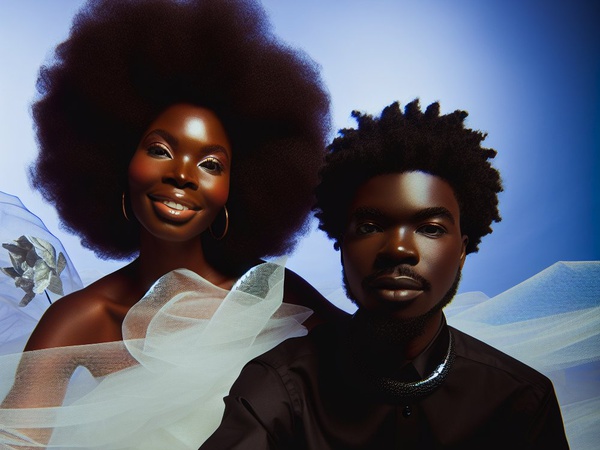
<p><br></p><p>What does it mean to be sexually well? Is it about freedom, exploration, or something deeper—perhaps an alignment between body, mind, and spirit? Conversations about sexual wellness are taking new forms, but are these new ideas truly universal? While some parts of the world may embrace experimentation, others ask: How do cultural values, religious beliefs, and personal boundaries shape this evolution?</p><p><br></p><p>Instead of sweeping declarations about what sexual wellness should be, let’s explore these questions thoughtfully. After all, wellness—sexual or otherwise—has many dimensions and must be meaningful to the communities it aims to serve.</p><p><br></p><p>The Weight of Stigma: Should We Redefine or Reflect?</p><p>Why do people care so much about "body counts"? Is it just a relic of outdated social norms, or does it carry deeper implications for how communities understand morality, responsibility, and respect? For generations, many societies—African ones included—have emphasized sexual restraint not merely as repression but as a way to maintain cultural values like dignity and responsibility. So, what happens when these traditions are challenged?</p><p><br></p><p>Younger generations in many parts of the world, especially in urban spaces, are saying that counting sexual experiences shouldn’t define self-worth. They argue that every encounter, whether casual or committed, shapes self-discovery. This perspective emphasizes personal growth and self-acceptance over judgment. But this raises another important question: Can the pursuit of personal freedom ever conflict with the values that hold communities together?</p><p><br></p><p>This tension offers no simple answer, but perhaps the real goal is not to discard tradition altogether, but to reflect on which aspects serve individual and collective well-being. Can we balance personal exploration with values that foster respect for ourselves and others?</p><p><br></p><p>Experimentation: A Path to Liberation or Confusion?</p><p>If trying new things—partners, practices, preferences—leads to deeper self-understanding, should all forms of experimentation be encouraged? Advocates say that sexual exploration helps individuals uncover hidden parts of themselves, liberating them emotionally and physically. They believe that learning through experience can empower people to build more honest relationships and develop confidence in expressing their needs.</p><p><br></p><p>Yet, isn’t there wisdom in asking: At what point does exploration become distraction? Not all who experiment find joy; some may feel more lost, confused, or disconnected from their sense of self. In African communities where family and collective well-being are often prioritized, there’s also a question of balance—how does individual exploration impact relationships and the community at large?</p><p><br></p><p>Perhaps, instead of seeing experimentation as either right or wrong, we should ask: How can personal exploration be guided by a sense of purpose, respect, and mindfulness?</p><p><br></p><p>How Do We Foster Holistic Well-Being?</p><p>What if sexual wellness isn’t just about pleasure or freedom, but about connection—connection to ourselves, to others, and to something greater? There’s a growing emphasis on communication, consent, and emotional health. But how do we ensure that this openness goes beyond surface-level talk?</p><p><br></p><p>True sexual wellness involves understanding our boundaries, listening to our emotions, and fostering mutual respect. But isn’t it also important to ground these conversations in the cultural and spiritual frameworks that give them meaning? Many African traditions have long emphasized the sacredness of intimate relationships, seeing them as intertwined with personal identity and communal harmony.</p><p><br></p><p>So, instead of promoting experimentation for its own sake, perhaps the deeper question is: How can individuals pursue wellness in ways that honor both their personal desires and the values of their community?</p><p><br></p><p>Can We Build Bridges Through Dialogue?</p><p>One of the most promising shifts in now is the rise of intergenerational conversations about sexual wellness. But are these conversations always easy? Younger generations may feel misunderstood, while older ones may struggle to reconcile new ideas with long-held beliefs.</p><p><br></p><p>Yet, when approached with empathy, these conversations can break down barriers. Instead of debating who is right or wrong, the goal should be mutual understanding. What can the young teach the old about freedom? What wisdom can elders offer about responsibility and self-discipline? Can a shared dialogue help us build a culture of respect that transcends generations?</p><p><br></p><p>If these conversations are handled well, they can foster not just tolerance but genuine understanding. But this requires both sides to listen—not just with their ears, but with their hearts.</p><p><br></p><p>In Conclusion What Does Sexual Wellness Mean to You?</p><p>As we redefine sexual wellness, perhaps the most important question isn’t what the world says we should do, but what feels right for each of us as individuals, families, and communities. Wellness, after all, isn’t a one-size-fits-all concept. What works in one place may not resonate in another, and what brings joy to one person may not suit another’s path.</p><p><br></p><p>So, rather than following trends or rejecting traditions, let’s ask ourselves: How do we create a personal and collective vision of sexual wellness that aligns with our values, respects others, and nurtures meaningful connections? After all, the ultimate goal isn’t just pleasure or freedom—it’s empowerment, growth, and the kind of peace that comes from living in harmony with oneself and one’s community.</p>


Sexolutions
By
 Roy Msoli
•
7 plays
Roy Msoli
•
7 plays
Roy Msoli
•
7 plays
0:00 /
0:00


 457
457



Other insights from Roy Msoli









Referral Earning

Points-to-Coupons

Insights for you.











































Comments