Score |
136






SLEEP PARALYSIS ( A TASTE OF DEATH)
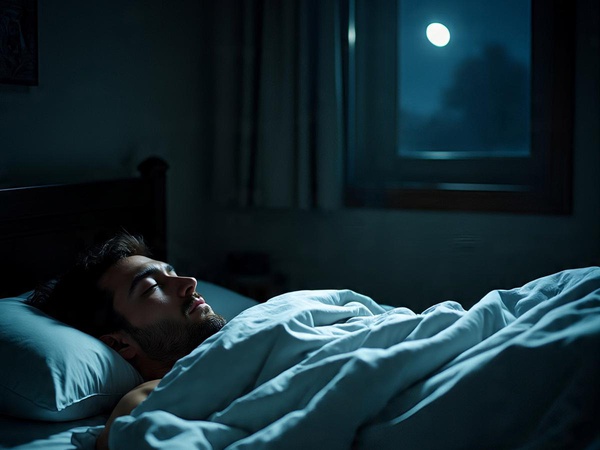
<p>The feeling of f being absent yet present ,where consciousness lingers in a body locked in unconsciousness . You're trapped in a twilight zone between wakefulness and dreams, aware but paralyzed . Your mind's awake , but your body's a statue 🗿️.</p><p><br/></p><p>It's like being buried alive , unable to move or speak . Fear creeps in – heart racing , breath shortens – but you're powerless . The dream world bleeds into reality , creating hallucinations that feel all too real . You might see shadows , hear whispers , or feel pressure – your brain mixes nightmare fragments into waking life.</p><p><br/></p><p>This limbo is usually brief (seconds to minutes ⏱️), but it feels eternal . Your mind's caught between states, unable to signal your body to wake up or sleep . REM atonia (the paralysis part) persists, but awareness kicks in. It's disorienting – like floating without control.</p><p><br/></p><p>Some describe it as a spiritual attack , others a medical mystery . Science says stress , sleep patterns , and genetics 🧬 play a part. The experience can leave you shaken , questioning reality – was it real? Did it happen? </p><p><br/></p><p>It's a reminder of the thin line between being and not being . Consciousness trapped in a motionless body , with fear and wonder swirling. A strange intersection of science 🧬 and the surreal .</p><p><br/></p><p> Sleep paralysis shows us the machinery of sleep – how thin the membrane separating dreams from wakefulness can be. The brain's alarm 🔔 system (amygdala 🧠) fires , but your body's stuck in paralysis mode. Result? hyper-real terror.</p><p><br/></p><p>It’s like your brain's 🧠 "awake" parts clash with "asleep" parts. Hallucinations morph from this mix – intruders , floating. Culture shapes the narrative : in Nigeria 🇳🇬, it’s "diabla" (witch riding); elsewhere 🏙️, it’s "old hag" or "ghost oppression."</p><p><br/></p><p>The real horror ? Your mind is fully aware but cased in a body . When it ends , relief floods – you gasp , move , breathe . The memory 🧠 lingers , it's unsettling , yet, it's a universal human quirk – many experience it, but few talk about it.</p><p> Several factors contribute:</p><p>- *Sleep disruption *: Irregular patterns , deprivation , or disorders (e.g., narcolepsy )</p><p>- *Stress & anxiety *: Heightened alertness primes the brain for "threats" </p><p>- *Genetics 🧬*: Family history increases likelihood</p><p>- *Sleep position *: Back sleeping (supine) may trigger it</p><p>- *Substances *: Caffeine , alcohol , or meds 💊 can disrupt sleep cycles </p><p><br/></p><p>It’s like your brain’s 🧠 "sleep switches 🔌" get tangled 🔀 – more often if your life’s hectic or sleep’s wonky .</p><p><br/></p><p>Symptoms :</p><p>- Inability to move or speak </p><p>- Pressure on the chest </p><p>- Hallucinations (often dark, ominous )</p><p>- Intense fear </p><p><br/></p><p>Managing it :</p><p>- Improve sleep pattern (regular schedule, comfy sleep space)</p><p>- Manage stress (meditation , exercise 🏋♀️)</p><p>- Sleep on your side (reduces episodes)</p><p>- Avoid sleeping alone ( most of the time) </p><p>- Reduce watching horror movies </p><p>- Seek help if it impacts life </p><p>- Talking about it helps</p><p>- Eat and live healthy 😊</p><p><br/></p><p><br/></p><p><br/></p><p><br/></p>


 72
72


Other insights from Precious Samuel







Referral Earning

Points-to-Coupons

Insights for you.

Surgeons' endurance during operations...
**How Long Can Doctors Stand During a Single Operation?**
When we think of the life ...
1364 views
6 upvotes
9 comments


WHY WAXING BEATS SHAVING
The first time I waxed, it was because of peer pressure. I had seen a lot of people do ...
1052 views
9 upvotes
5 comments
THE YEAST AMONG US
Yeast infections are a topic that most people would prefer to avoid, but let's face it,...
1040 views
5 upvotes
2 comments

HOW FRESH IS YOUR BREATH ?
I’m not even going to lie; the major reason why I take my oral hygiene seriously is bec...
980 views
9 upvotes
2 comments
Aliens and medicine
The field of medicine and the study of extraterrestrial life, or "aliens," are not dire...
971 views
9 upvotes
2 comments
The third line of the immune system
Let's continue our talk about the third line of immune system.
"Specific adaptive re...
913 views
13 upvotes
8 comments


HEALTH IS WEALTH
In today's society, everyone is chasing the bag. We are constantly trying to build we...
871 views
6 upvotes
3 comments

COVID-19 Deaths in Africa
Deaths on the African continent from COVID-19 are expected to fall by nearly 94% in 202...
865 views
9 upvotes
21 comments































Comments