March Essay Competition
March 9 — March 22, 2026,

Prompt
The average man, regardless of creed, family background, religion, personal convictions, or social, economic, or marital status, will always feel threatened or intimidated by a successful, strong, independent woman.
Competition Home Page
Essay
Score
Not Always Threatened: Embracing Partnership in the Era of Empowered Nigerian Women.
March 10, 2026
· 669 words
· 4 min read

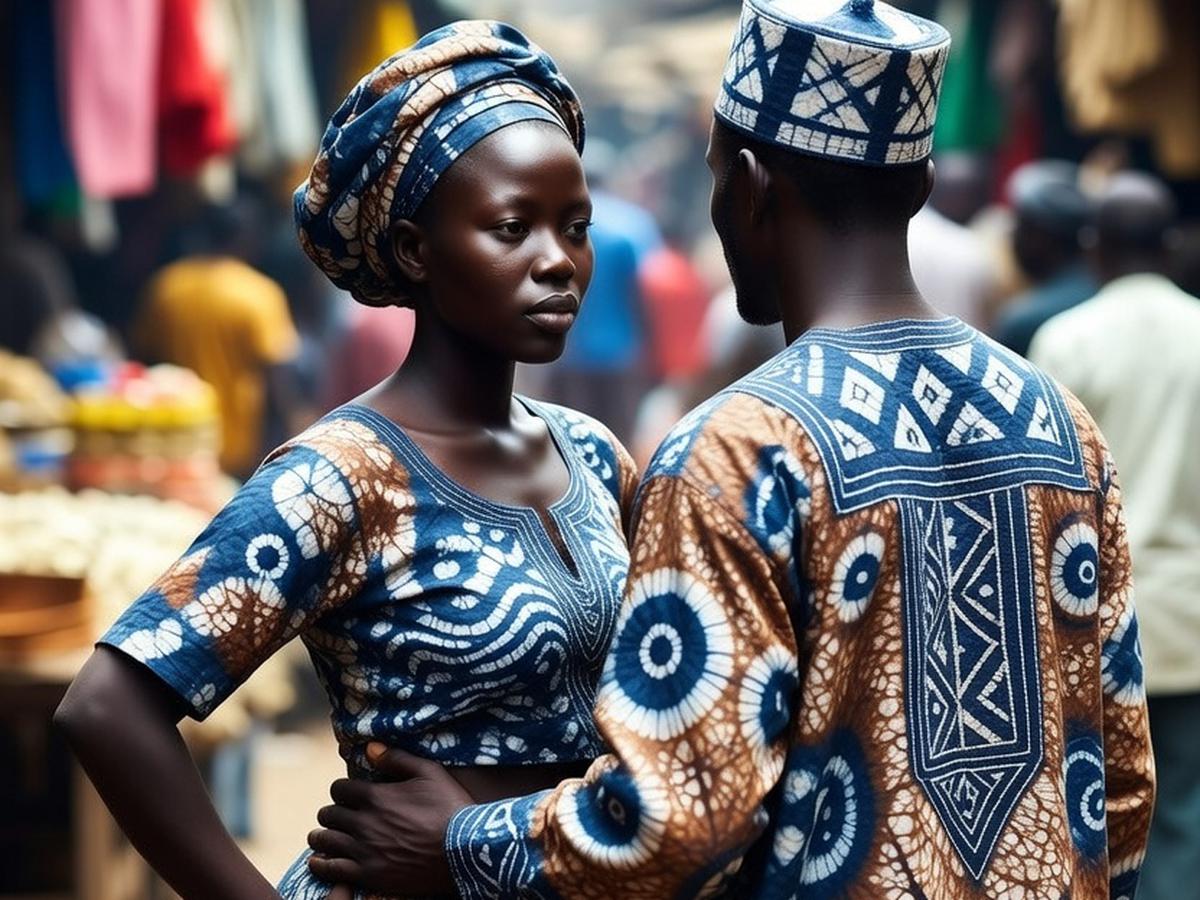
<p>The prompt asserts that the average man, irrespective of creed, family background, religion, personal convictions, or social, economic, or marital status, will always feel threatened or intimidated by a successful, strong, independent woman. This claim, while capturing a genuine tension in some relationships, is an overgeneralization that fails to account for psychological nuance, cultural shifts, and the lived realities of many men and women today—particularly in a rapidly evolving society like Nigeria.</p><p>Psychological evidence shows that discomfort can occur under specific conditions. A foundational 2013 study published in the Journal of Personality and Social Psychology found that men in heterosexual relationships sometimes experienced a subconscious decline in implicit self-esteem when reflecting on their female partner's successes, even in unrelated domains. This effect appeared linked to traditional gender norms where men derive self-worth from being the primary provider or dominant figure. More recent discussions and analyses (including references to studies from the University of Bath around 2020) reinforce that some men interpret a partner's achievement as a comparative failure, especially when it challenges ingrained roles. In dating and marriage contexts, certain men may feel threatened by high-earning or highly ambitious women due to fears of diminished masculinity or status.</p><p>However, this reaction is far from universal or inevitable. Contemporary research challenges the notion of blanket intimidation. A 2019 Tinder-based study demonstrated that men showed no preference against highly educated women in partner selection; educational assortative mating was largely absent for men, while women often preferred more educated partners. Recent trends in the United States and beyond indicate that high-status or educated men are increasingly attracted to ambitious women, with marriage rates for college-educated women remaining stable as they partner across educational lines. These patterns suggest that many men view female success as attractive or complementary rather than threatening.</p><p>In Nigeria, where women's empowerment is accelerating, this nuance is especially evident. Recent reports highlight extraordinary entrepreneurial spirit among Nigerian women: a 2025 Mastercard study found that 83% of Nigerian women consider themselves entrepreneurs—far above regional averages—with millennial women leading at 86%. Over 90% express motivation to start businesses for financial independence and stability, thriving in sectors like agriculture, food, education, and trade. Female-led firms often report strong growth, and visible successes in Lagos, Kano, Abuja, and beyond inspire widespread admiration.</p><p>Many Nigerian men actively support these achievements. In households guided by Christian, Muslim, or cultural values emphasizing mutual respect and shared provision, a wife's success is frequently celebrated as family progress. Husbands of market traders, tech innovators, or professionals often express pride, viewing their partners as co-builders of legacy rather than rivals. Secure men—emotionally mature, exposed to modern ideas through education, media, or global influences—redefine masculinity beyond dominance, embracing collaboration. Younger generations, in particular, normalize dual-income dynamics and shared decision-making, reducing traditional fears of emasculation.</p><p>Challenges remain. Patriarchal conditioning in some communities can lead insecure men to react with resentment or control when a woman's independence disrupts expected hierarchies. Yet these responses stem from personal fragility or outdated norms, not an inherent male trait. The "average" man is not monolithic; he encompasses diverse backgrounds, faiths, and levels of emotional security. As female education, workforce participation, and entrepreneurship surge, societal attitudes evolve toward normalization and appreciation.</p><p>Lived experience underscores this shift. Relationships flourish where a strong woman leads professionally while her partner offers emotional or practical support—creating balanced, resilient unions that benefit families and communities. Pride replaces intimidation when men recognize that a partner's rise enhances collective well-being.</p><p>The prompt's absolutism ultimately falters because it conflates conditional insecurity with inevitable conflict. A confident man is not diminished by a strong woman's light; he is enriched by it. Her independence exposes fragile egos but rewards secure ones with deeper, equitable partnerships. In Nigeria's ongoing story of progress—where women's empowerment drives national development—partnership prevails over intimidation.</p><p>Strong, independent women do not inherently threaten men. They challenge outdated structures while inviting better men to stand beside them in solidarity. By moving beyond stereotypes, we embrace a reality where mutual respect and shared success build stronger homes, communities, and a brighter future for all.</p>

 4
4




































Comments