March Essay Competition
March 9 — March 22, 2026,

Prompt
The average man, regardless of creed, family background, religion, personal convictions, or social, economic, or marital status, will always feel threatened or intimidated by a successful, strong, independent woman.
Competition Home Page
Essay
Score
Strength, Insecurity, and the Changing Face of Masculinity
March 12, 2026
· 421 words
· 3 min read

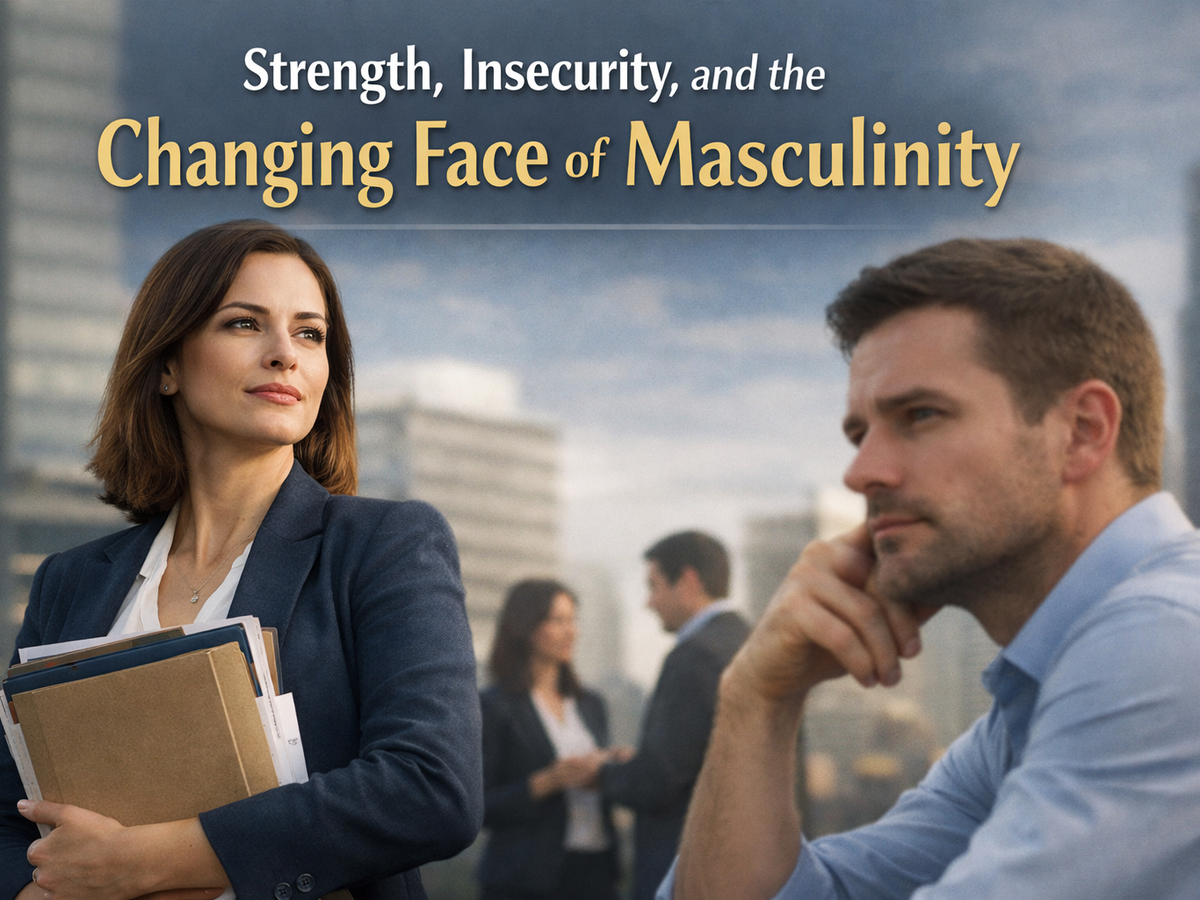
<p><br></p><p>The claim that the average man will always feel threatened or intimidated by a successful, strong, independent woman is a powerful but sweeping generalization. While it is true that some men experience discomfort when confronted with female success, it is inaccurate to suggest that this reaction is universal or inevitable. The issue is less about men as a whole and more about how society has historically defined masculinity and gender roles.</p><p>For generations, many cultures positioned men as providers, decision-makers, and authority figures within the home. A man’s value was often measured by his financial strength and dominance. In such a framework, a woman who is financially independent, highly educated, or professionally accomplished can appear to challenge traditional expectations. For men who were raised to believe their identity depends on being “in charge,” a strong woman may feel threatening—not because of her success itself, but because it disrupts what they were taught to believe about manhood.</p><p>However, this reaction is not automatic or universal. Many men today admire ambition and resilience in women. In modern relationships, partnerships are increasingly built on equality rather than hierarchy. Dual-career households are common, and men frequently support their partners’ goals. A secure and confident man does not lose his identity because a woman excels; instead, he sees her strength as complementary rather than competitive. In this sense, intimidation is often rooted in personal insecurity rather than gender.</p><p>It is also important to recognize generational shifts. Younger generations are growing up in a world where women lead corporations, run governments, and excel in fields once dominated by men. Exposure to female leadership helps normalize women’s success. As societal expectations evolve, so too does the meaning of masculinity. Strength is gradually being redefined to include emotional intelligence, collaboration, and mutual respect.</p><p>That said, cultural pressures still exist. In some communities, successful women are labeled as “too ambitious” or “too strong.” Such reactions reveal that society is still negotiating its understanding of equality. Yet to claim that the “average man” will always feel threatened removes the possibility of growth and change. Human attitudes are shaped by environment, education, and self-awareness—and these can evolve.</p><p>In conclusion, while some men may feel intimidated by strong, independent women due to traditional conditioning and personal insecurity, it is inaccurate to frame this response as universal or permanent. A woman’s success does not diminish a man’s worth. Instead, it challenges outdated ideas about power and partnership. As society continues to redefine gender roles, strength should not be seen as a threat, but as an opportunity for mutual growth.</p>

 28
28





































Comments