March Essay Competition
March 9 — March 22, 2026,

Prompt
The average man, regardless of creed, family background, religion, personal convictions, or social, economic, or marital status, will always feel threatened or intimidated by a successful, strong, independent woman.
Competition Home Page
Essay
Score
Beyond societal intimidation: A nuanced pespective
March 14, 2026
· 400 words
· 2 min read

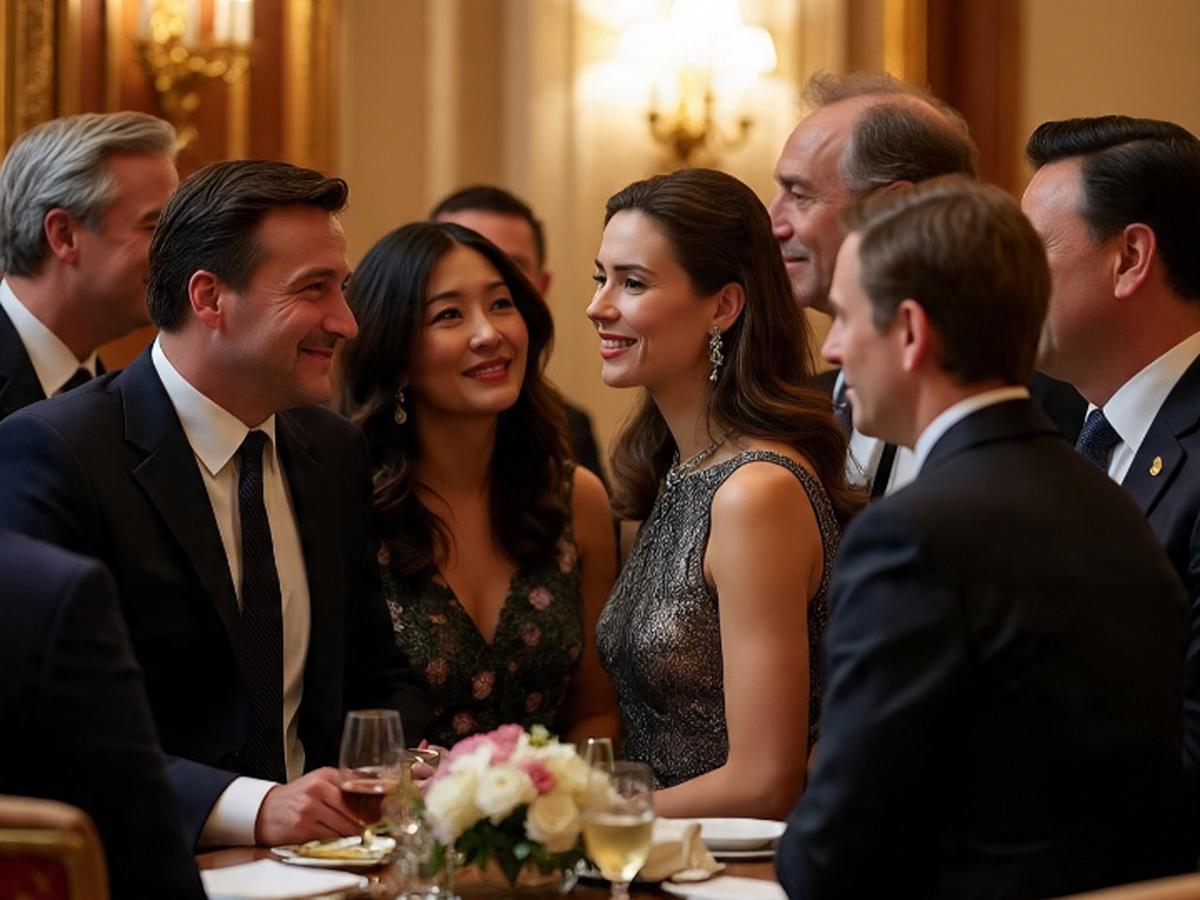
<p> </p><p><br></p><p>The notion that men, regardless of their background or status, are universally intimidated by successful, strong, and independent women is a statement that warrants scrutiny. At first glance, it appears to be a sweeping generalization, one that doesn't quite capture the complexity of human emotions and relationships.</p><p><br></p><p>The idea suggests that a man's reaction to a woman's success is somehow predetermined, that he's powerless against his own feelings of insecurity or intimidation. But is that really the case? Don't men, like women, have unique experiences, values, and perspectives that shape their reactions to the world around them?</p><p><br></p><p>It's possible that some men might feel uneasy around successful women, not because they're intimidated, but because they're unsure of how to navigate a situation that challenges traditional gender roles. Maybe they're worried about being perceived as less masculine or capable. On the other hand, many men are genuinely inspired by strong, independent women, recognizing the value and strength they bring to relationships and society as a whole.</p><p><br></p><p>The statement also implies a certain level of homogeneity among men, as if they're all wired to respond in the same way. But men, like women, are individuals with their own strengths, weaknesses, and quirks. Some might feel threatened, while others might be empowered by a partner's success.</p><p><br></p><p>Moreover, societal expectations play a significant role in shaping these dynamics. Traditional masculinity often emphasizes strength, control, and dominance. When these expectations are challenged, some men might feel uneasy or unsure of how to react. But this isn't a universal truth; it's a product of cultural and societal norms that are evolving.</p><p><br></p><p>In reality, people's reactions to women's strength and independence vary widely, reflecting their individual experiences, values, and perspectives. It's not about men versus women; it's about understanding the complexities of human relationships and interactions.</p><p><br></p><p>Rather than making sweeping statements, we should be exploring the nuances of these dynamics. What makes some men feel threatened, while others are inspired? How do societal expectations shape our perceptions of masculinity and femininity? By examining these questions, we can work towards a more empathetic and inclusive understanding of human relationships.</p><p><br></p><p>Ultimately, the statement we're discussing is more of a reflection of societal stereotypes than a universal truth. It's a reminder that we need to move beyond simplistic narratives and explore the complexities of human emotions and relationships. By doing so, we can foster a more nuanced and inclusive conversation about what it means to be human.</p>

 7
7





































Comments