March Essay Competition
March 9 — March 22, 2026,

Prompt
The average man, regardless of creed, family background, religion, personal convictions, or social, economic, or marital status, will always feel threatened or intimidated by a successful, strong, independent woman.
Competition Home Page
Essay
Score
The Women They Fear.
March 15, 2026
· 801 words
· 5 min read

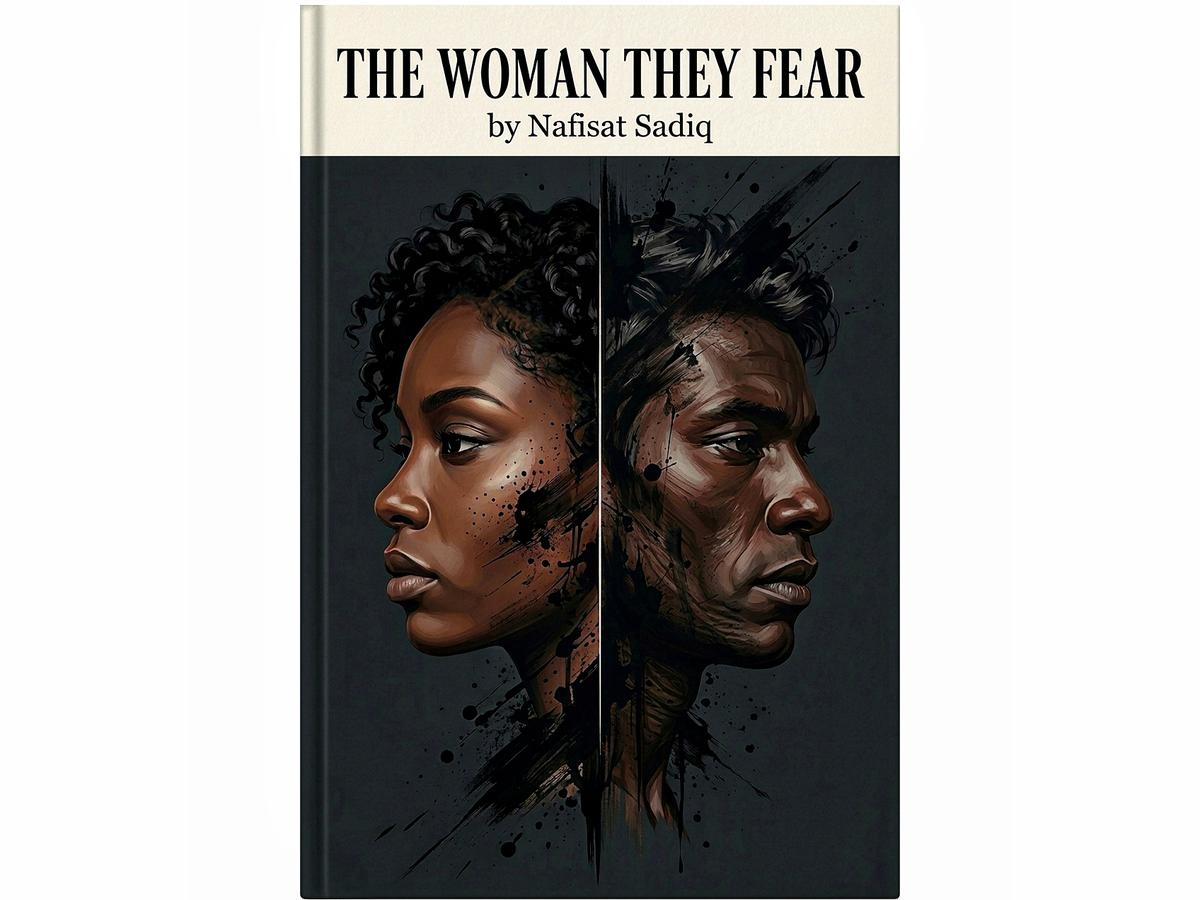
<p>The room was quiet when she finished speaking. A young woman had just presented an idea that could save the company thousands of naira every year. For a brief moment, no one said anything. Then someone chuckled from the back of the table. Another man leaned toward his colleague and whispered loudly enough for others to hear, “She’s new. She’ll learn.”</p><p>A few minutes later, the manager repeated the exact same idea she had proposed. This time, heads nodded in agreement. Pens scribbled. Approval flowed freely. The brilliance had not changed, the presenter had. But somehow, the idea was now acceptable simply because it came from a man. Scenes like this are not rare. They play out in offices, classrooms, political arenas, and homes across the world. A woman demonstrates intelligence, confidence, and leadership, yet her voice is dismissed, questioned, or quietly overshadowed. This has led many to claim that the average man will always feel threatened or intimidated by a strong, independent woman. While this statement may sound extreme, history and everyday life reveal that women who challenge traditional roles frequently face resistance. The real issue is not male intimidation itself, but the societal structures and cultural expectations that make it seem threatening when women rise.</p><p>For centuries, women were systematically excluded from spaces where influence, education, and authority mattered. When women dared to enter these arenas, they were treated as anomalies rather than equals. Consider the story of Marie Curie. Today, she is celebrated as one of history’s greatest scientists, yet during her lifetime, many male colleagues refused to accept that a woman could produce groundbreaking discoveries. Despite discovering new elements and becoming the first woman to win a Nobel Prize, Curie constantly had to defend her credibility. Her brilliance unsettled those who had long believed that science belonged to men.</p><p>History offers other examples of women whose courage disrupted expectations. When Rosa Parks refused to give up her bus seat in 1955, she did not shout or fight. She simply refused. Yet that quiet act of defiance shook the foundations of a deeply unequal system. Parks was vilified and arrested, yet her courage sparked the Montgomery Bus Boycott and energized the civil rights movement. What made her action powerful was not aggression, but the refusal to conform, a refusal that made others uncomfortable because it challenged their assumptions.</p><p>Nigeria has its own compelling story. When Ngozi Okonjo Iweala became Minister of Finance, she stepped into a role long dominated by men. Her bold reforms to confront corruption and restructure government finances provoked criticism and skepticism. Many questioned her authority not because she lacked expertise, she had decades of experience at the World Bank, but because she was challenging powerful systems that others preferred to leave untouched. Years later, she shattered another barrier by becoming the first woman and first African to lead the World Trade Organization. Her journey illustrates the resistance strong women often face, but also the remarkable progress they can achieve despite it.</p><p>Even today, strong women encounter subtle but persistent challenges. In workplaces, a man who speaks firmly is often praised as decisive, while a woman with the same confidence may be labeled “bossy” or “intimidating.” In classrooms, a boy who debates passionately might be applauded for confidence, while a girl is told she is disrespectful. In personal relationships, some men struggle when their partners achieve greater financial or professional success. The discomfort rarely stems from the woman herself, but from long-standing ideas about masculinity and societal roles.</p><p>Yet not all men are intimidated. Many admire, respect, and actively support women’s achievements. Around the world, women are leading governments, shaping economies, and driving innovation. Young girls today see female role models excelling in spaces that were once considered unreachable. The idea that strong women intimidate men reflects society’s assumptions more than the reality of individual reactions.</p><p>Every time a woman refuses to shrink herself to meet outdated expectations, she widens the path for those who come after her. Her strength challenges society, but it also drives progress. The woman they fear is not a threat, she is a catalyst. Her success does not diminish others, it expands possibilities. True confidence, whether in men or societies, is reflected not in fearing strength but in celebrating it.</p><p>In the end, the woman they fear is not a threat to anyone, she is a mirror reflecting the outdated fears and insecurities society has long harbored. Her strength, independence, and success are not meant to intimidate, they are meant to inspire, to challenge, and to expand what is possible for everyone. When we stop fearing strong women and start celebrating them, we move closer to a society where talent, courage, and vision are valued above outdated assumptions about gender. It is not her power that should make anyone uncomfortable, it is our own hesitation to embrace change.</p>

 7
7





































Comments