March Essay Competition
March 9 — March 22, 2026,

Prompt
The average man, regardless of creed, family background, religion, personal convictions, or social, economic, or marital status, will always feel threatened or intimidated by a successful, strong, independent woman.
Competition Home Page
Essay
Score
Of Privilege and Equality
March 16, 2026
· 943 words
· 5 min read

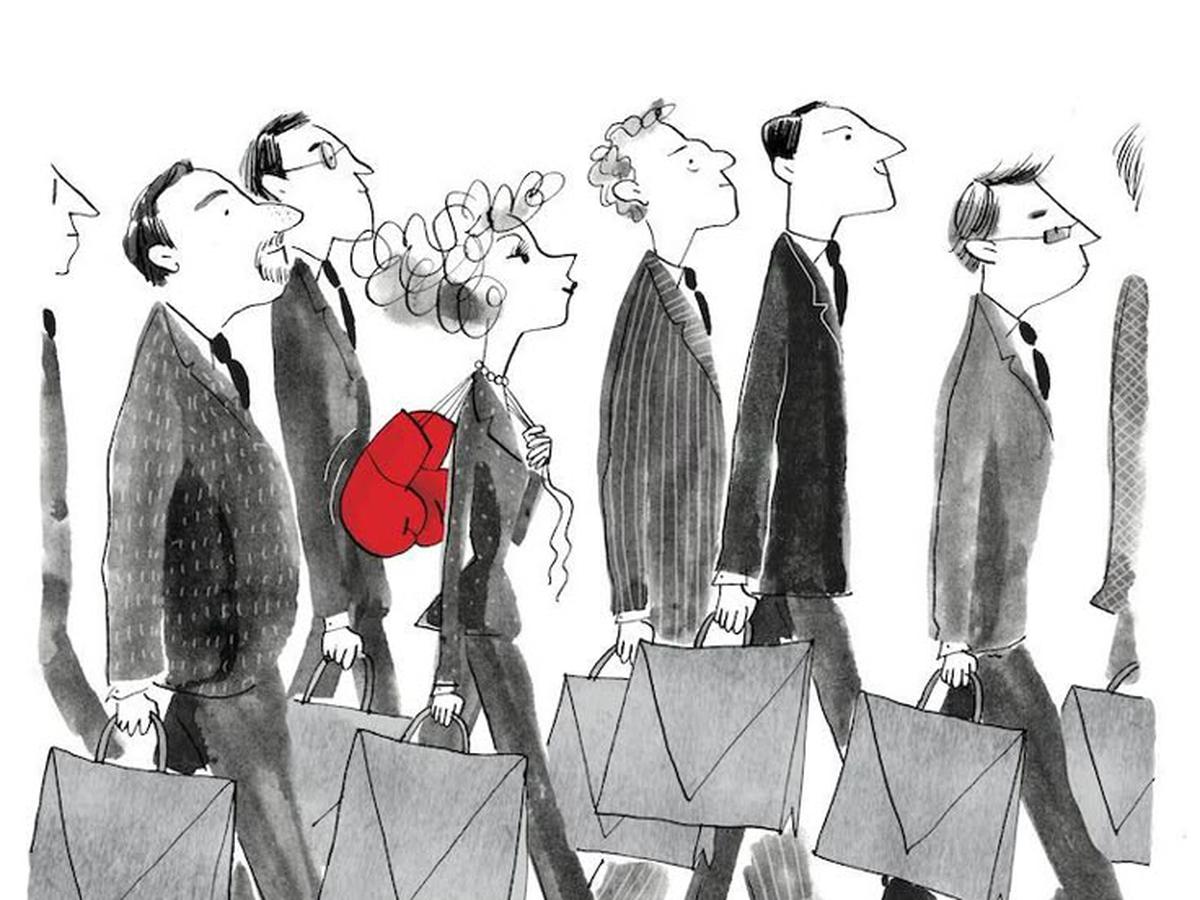
<p>“When you’re accustomed to privilege, equality feels like oppression.”</p><p>This sentence explains a reality that many people are uncomfortable admitting. The average man, regardless of his religion, background, wealth, or success, can feel threatened by a strong, successful, and independent woman. This threat does not always come from hatred or bitterness. More often, it comes from the challenge she presents to a system that has placed men above women for generations. When something that has always been considered natural suddenly changes, the reaction is often defensive.</p><p>For a very long time, women were expected to be submissive. They were taught to speak less, to obey more, and to build their lives around supporting others. Ambition was often discouraged. The ultimate goal presented to many girls was marriage rather than personal success. These expectations were rarely written as rules, yet they were deeply embedded in society. Families, religion, culture, and education all quietly repeated the same message about what a woman should be.</p><p>Because of this, a strong and independent woman can appear unusual to many people. She does not fit the image that society created for her. In such a world, a powerful woman can almost seem unnatural. The image feels strange because it challenges what we have always believed about power and hierarchy. In the same way, when women gain wealth, authority, or independence, some men feel that the natural order has been reversed.</p><p>This reaction is visible in everyday life, especially on social media. When a woman posts a picture of a new car she bought or celebrates the growth of her business, the comments often follow a familiar pattern. Many men immediately question her success. They ask her to “talk true” about where the money came from. Some suggest that a wealthy man must be behind it. Others assume that she could not have achieved such success on her own. The idea that a woman could build wealth through her own effort is difficult for some people to accept.</p><p>A similar reaction appears when mothers are praised for raising good children. When people appreciate a mother for raising respectful and responsible children, someone often asks about the father. The praise is quickly followed by the question: “Where is the father?” Behind this question lies the belief that a woman alone cannot raise a child well. Even when the evidence proves otherwise, the assumption remains that a mother’s effort must somehow be incomplete without a man.</p><p>These reactions are not always the result of personal hatred. In many cases, they are the result of indoctrination. People grow up hearing certain ideas about gender roles from the moment they are born. Boys are taught that they should lead, provide, and dominate. Girls are taught to nurture, support, and follow. Over time, these ideas become so normal that they feel like objective truths.</p><p>Because of this, when people encounter women who break these patterns, the reaction is often defensive. Why would someone who has been taught for years what a woman should be easily accept examples that completely contradict those teachings? It is often easier to question the woman than to question the belief itself.</p><p>This is also why many men display small patriarchal behaviors in everyday life. These behaviors may appear in jokes, comments, or assumptions about what women should or should not do. They are often subtle and sometimes unconscious. Having these behaviors does not necessarily make a man a bad person. Many men are simply repeating ideas that society taught them from childhood. Ignorance, in this case, is often the result of cultural learning rather than deliberate cruelty.</p><p>However, the threat that some men feel toward successful women is still very real. It appears in disbelief when women succeed, suspicion when they earn wealth, and resistance when they demand equal treatment. A successful woman challenges the traditional idea that men must always be the providers and leaders. When that identity is threatened, the reaction can be strong.</p><p>This same sense of threat also explains why feminist movements are often met with hostility. Feminism questions the traditional imbalance of power between men and women. It asks society to reconsider traditional beliefs about authority, independence, and gender roles. For many people, this challenge feels threatening because it forces them to confront the possibility that the system they operate was unfair. No one enjoys being told that their worldview is wrong.</p><p>Instead of rethinking those beliefs, it is often easier to reject the message entirely. Feminists are dismissed, mocked, or labeled as extreme. Yet the strong reaction itself reveals something important. If the movement posed no challenge to existing power structures, it would not provoke such intense emotions.</p><p>The truth is that strong women do threaten men. But the threat is not caused by the women themselves. It is caused by the ideas that society has built around power, masculinity, and gender roles. When a woman becomes powerful, independent, and successful, she exposes the fragility of those ideas.</p><p>Still, the presence of strong women does not weaken men. Equality does not remove opportunities from one group in order to give them to another. Instead, it creates a society where success is no longer limited by gender. A woman’s ambition does not diminish a man’s worth. Her independence does not erase his achievements.</p><p>The world is slowly changing. Women are becoming leaders, innovators, entrepreneurs, and creators in every field. These changes challenge old assumptions and force society to rethink what it once considered natural. For some people, this change feels threatening because it disrupts a system that once guaranteed them advantage.</p><p>And that is why the statement remains so powerful: when you are accustomed to privilege, equality does not always feel like fairness. Sometimes, it feels like a threat.</p>

 7
7




































Comments