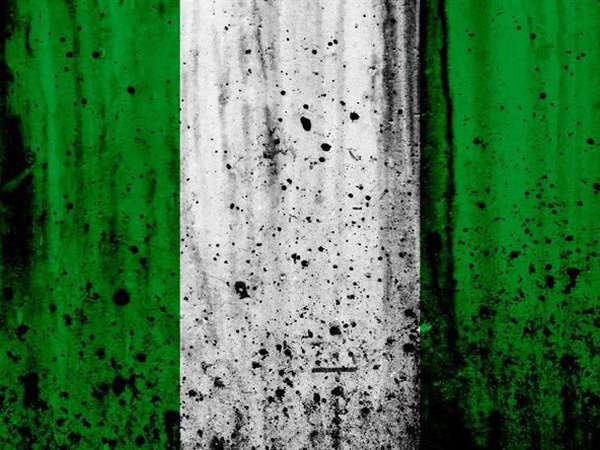
Tell me, what exactly is our wahala?
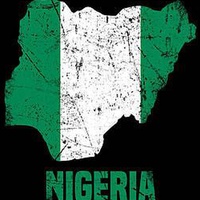
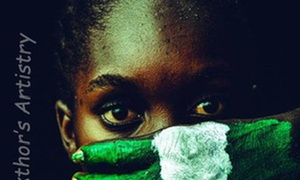
The flag we raise, or the tears we hide beneath it?
The anthem we sing, or the silence demanded after?
We are the children of promise,
raised on speeches and slogans,
fed tomorrow until tomorrow became a joke.
We queue for fuel in a country that sells oil.
We buy candles beneath a sun that could power us.
We pay for water beside rivers,
and for survival on land where survival should be ordinary.
Still, they tell us to be patient.
Patient with roads that swallow tyres,
hospitals that demand payment before mercy,
and schools where hope sits on broken desks.
Patient with salaries that arrive late
and prices that never wait,
while the powerful travel in convoys
and the poor calculate the cost of one more meal.
How long must patience be mistaken for permission?
Then came October.
The twentieth.
2020.
Young Nigerians took to the streets with flags, phones and songs,
demanding an end to SARS, police brutality
and the fear of those sworn to protect them.
They were not asking for the moon,
They were asking to live.
At Lekki Toll Gate, the night thickened.
The lights went out.
The music faltered.
Yet the flags remained raised
in hands that had every reason to tremble.
Then came the gunfire,
brutal punctuation in a sentence called freedom.
Bullets against unarmed bodies.
Uniforms against young voices.
Power against the people it was meant to serve.
And afterward, the questions:
Who gave the order?
Who pulled the trigger?
Who switched off the lights?
Who will answer the mothers
still listening for footsteps at the door?
Do not tell us we imagined the sound.
Do not ask us to forget what we witnessed.
A nation cannot heal by commanding its wounds to stop telling the truth.
A government cannot bury a question and call the silence peace.
Remember them,
not as hashtags that expire,
but as somebody's child,
somebody's heartbeat,
somebody's entire world.
And the wahala did not end at the toll gate.
It lives where children are taken from classrooms,
where families flee their homes,
where farmers fear their fields.
It lives in blackouts, empty wallets
and graduates sending applications into silence.
It lives in the passport queue,
where our brightest bid farewell
to a country they still love but cannot afford to trust.
Doctors abandon wards they trained to serve.
Teachers leave classrooms they once hoped to transform.
They are called disloyal for seeking safety,
as though patriotism means staying to be broken.
How can we blame a bird for flying
when the branch keeps catching fire?
Yet we remain.
We laugh in traffic.
We share food when the pot is small.
We turn hardship into jokes,
because sometimes laughter is the only roof
that keeps despair from the rain.
But resilience should never be an excuse for neglect.
We are tired of leaders who campaign as servants
and govern as owners.
Tired of promises polished for the camera,
of apologies without accountability,
of being told to wait for a better tomorrow
by people who keep stealing today.
We are tired of being called the future
while the present is taken from our hands.
We want more than survival.
We want safe streets and honest work,
hospitals where care is not a luxury,
schools where learning is not a gamble,
power that stays on,
water that runs,
and justice that does not recognise a surname.
We want a country where a young person can dream
without first planning an escape route.
Nigeria, we are angry because we know what you could be.
We grieve because the promise was never small.
Yet beneath the anger is love:
not the blind love that excuses cruelty,
but the difficult love that dares to tell the truth,
the love that refuses to applaud
while its own house is burning.
So do not ask us to move on
as though the past has been settled.
Do not ask us to be quiet
as though silence has ever delivered justice.
We will remember the toll gate.
We will remember the flags.
We will remember the darkness
and those who did not return home.
And so, I ask again:
after the promises and elections,
after the goodbyes at the airport,
after the children taken from their schools,
after the mothers who still wait,
after a generation still begging
for the dignity it was born deserving—
HOW MANY MORE TOMORROWS
MUST WE BURY
BEFORE THIS COUNTRY
FINALLY ALLOWS US
TO LIVE TODAY?



 2