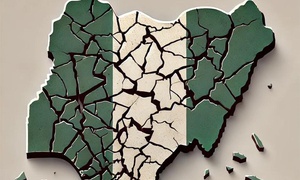
Nigeria is a country blessed with abundant natural resources, talented people and great potential for development. Despite these advantages, the country continues to struggle with several challenges, including unemployment, insecurity, poor infrastructure and a low standard of living. While illiteracy is often regarded as one of the major causes of underdevelopment, I strongly believe that poverty is a greater problem. This is because poverty affects almost every aspect of human life and makes it difficult for individuals and the nation as a whole to progress.
Poverty is a condition in which people lack the financial resources to meet their basic needs, such as food, shelter, clothing, healthcare and education. In Nigeria, many families struggle daily to provide these necessities. Some parents find it difficult to pay their children's school fees, while others cannot afford proper medical care. Even when people have the desire to improve their lives, their financial situation often limits the opportunities available to them.
One major reason poverty contributes to underdevelopment in Nigeria is its negative effect on education. Although education is important for national growth, not every Nigerian has equal access to it. Many children drop out of school because their parents cannot afford the expenses involved. Some are forced to engage in petty trading or other activities to support their families instead of concentrating on their studies. This shows that poverty can actually lead to illiteracy. Therefore, it would be unfair to blame illiteracy alone when many people are unable to receive an education because of their financial circumstances.
Furthermore, poverty contributes to unemployment and poor economic growth. Many educated Nigerians graduate from universities and other higher institutions but remain unemployed for years. Some have the necessary knowledge and skills but lack the financial support to establish businesses or put their ideas into practice. As a result, their talents and abilities are wasted. A country cannot develop properly when a large percentage of its population is unable to contribute meaningfully to the economy.
Another area where poverty affects development is healthcare. Many Nigerians cannot afford quality medical services, drugs and proper treatment when they fall sick. Some people depend on self-medication or delay visiting hospitals because of the cost. This can lead to serious health problems and, in some cases, preventable deaths. A healthy population is necessary for productivity and development, but widespread poverty makes this difficult to achieve.
In addition, poverty encourages social problems such as stealing, fraud, child labour and other forms of crime. Although not every poor person engages in criminal activities, economic hardship can push some individuals into desperate situations. Young people who lack access to education, employment and other meaningful opportunities may become vulnerable to negative influences. This also contributes to insecurity, which discourages investors and slows down economic activities in the country.
It is also important to recognise that literacy alone does not guarantee development. Nigeria has many educated individuals, including graduates, professionals and intellectuals, yet the country continues to experience economic difficulties. This suggests that having certificates and academic qualifications is not enough. People also need employment opportunities, a stable economy, good leadership, adequate infrastructure and an environment where their knowledge can be put to productive use.
However, this does not mean that illiteracy is not a problem. Education remains one of the strongest tools for national development because it helps people acquire knowledge, develop skills and make informed decisions. Nevertheless, fighting illiteracy without addressing poverty may produce limited results. A child who is hungry or whose parents cannot afford school expenses may find it difficult to benefit from educational opportunities.
To address this problem, the Nigerian government must make poverty reduction a major priority. More employment opportunities should be created, small businesses should receive adequate support, and basic social amenities should be made available to citizens. The government should also improve public education, provide affordable healthcare and invest in agriculture and other productive sectors of the economy. Most importantly, public funds must be properly managed, and corruption should be tackled to ensure that resources meant for national development reach the people.
In conclusion, although illiteracy contributes to underdevelopment in Nigeria, poverty remains a more fundamental obstacle because it affects education, healthcare, employment, security and the general standard of living. Poverty can prevent an educated person from achieving their potential and can also deny an intelligent child the opportunity to receive an education. Therefore, if Nigeria genuinely wants to achieve meaningful development, the fight against poverty must be taken seriously. Reducing poverty will not only improve the lives of citizens but will also create better opportunities for education, productivity and national growth.


 4