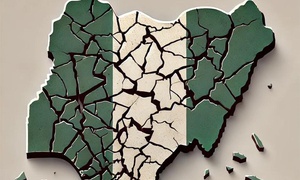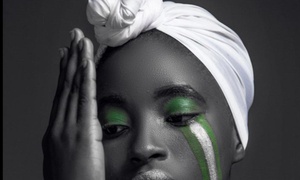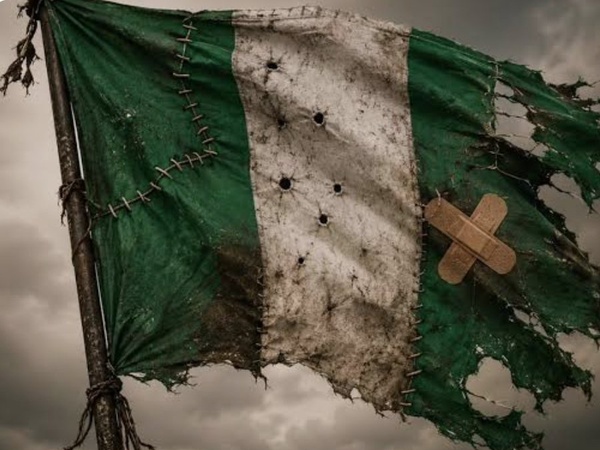
In my neatly pressed uniform from primary to secondary school, I used to stand tall on the assembly ground with my arms down to my sides standing at attention,chin raised with an innocent smile. I sang every word with passion, blissful in my ignorance of what the national anthem actually meant.
That was before the child became an adult.
Now, by 7am my mother’s land had already given me reasons to cry, reasons to laugh and reasons to question if I was still her precious child or merely a subject in her social experiment.
I cried because they say “In brotherhood we stand” But which brotherhood? The brothers gunned down by their own kin at the tollgate while waving flags and singing anthems? Or the brothers who sat in terrified silence, watching from the sidelines because safety lay in betrayal? Did our mothers not raise us in love, or are we simply the ones who traded our blood for survival?
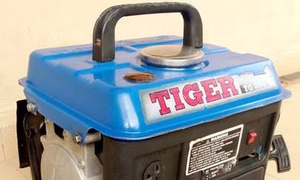
I laughed because of how comfortable we have become with the terrible. The impossible has become normal: navigating broken roads just to earn a living, hand a chunk of it over to “our own dear native land”, and return home to darkness so persistent that my body now mistakes heat for comfort.
I spend my days auditing the wreckage of systems armed with professional certifications and the quiet dignity of a spreadsheet,while trying to lift myself out of the mud. Yet I looked up at a screen the other day to watch a prominent figure address a generation drowning in joblessness. Her profound solution to a crushing crisis? Tell them to "start an akara business."
I stood frozen, suspended between disgust and rage. What, exactly, is funny about turning a generation’s slow execution into a political skit?
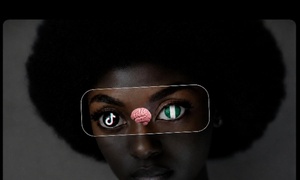
And what, God help us, is wrong with our own generation—the ones who took that same tragedy and weaponized it into a comedy sketch just for likes, views, and algorithmic performance?
Now I have the answer to the question: I am just a subject to my mother’s land social experiment.
“O God of all creation,
Grant this our one request:
Help us to build a nation
Where no man is oppressed,
And so , with peace and plenty,
Nigeria may be blessed”.
I whisper those words now not with childhood pride, but with a heavy, aching fatigue. Because seriously, where does this WAHALA end?



 1