THE TRUTHS ABOUT BEING NIGERIAN WE RUN AWAY FROM
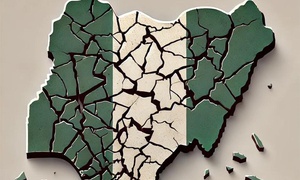
What does the mention of the word “Nigeria” bring to mind? People may think of examples like Afrobeats, Detty December and Jollof rice. Although these examples are commonly identified with Nigeria, they cannot fully represent the nation. The inadequacy shown in these examples asks the question: How do we see Nigeria beyond the surface level? The simple solution is taking a closer look into the lives of people of the country, those who experience the good and bad of the country firsthand. For that purpose, there is no better set of people to ask but Nigerians.
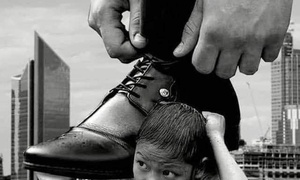
What would life be like as the average Nigerian? Well, the average Nigerian has one thing on their mind: survival. Time and time again, the standard of living seems to be booming from the international gaze, but not in the gaze of the people at the grassroots. The country has been in a pit of poverty and because of the desire to survive and provide for their families, everyone is on edge. It has gotten so terrible that having money for that day is the only goal for citizens at large. “If I can just get money for today, I’ll be okay”, they say, but there are more days to live, adapting the survival of the fittest mindset. The purchasing power of the Naira is reducing, making resources harder to acquire. Nigerians are often at two ends in these situations, switching from exhaustion to resilience in a continuous manner. Statements like “ God abeg” and “Las las, we go dey alright” are used at different moments, as both complaints and catchphrases to laugh about. One day, a Nigerian may be in tears regarding an occurrence, another day the same person is up at 6am ready to move forward. Nigerians are go-getters, hustlers and are the type of people who would gather for the sole purpose of discussing their suffering, like badges of honor, as that is the common language we all speak in various aspects of life. “Hm, you never see anything. Me that had to trek all the way to find a place to sleep”. Phrases like this may sound odd to other people, but to Nigerians, it is an identity symbol and proof that you live in Nigeria. It is a battle for who has gone through the most ‘wahala’ and when you think from their point of view, can you really blame them? It is typical of Nigerians to endure hardships and push through, because the society they were raised in gave them no choice but to find pride even in the bad things.
The average Nigerian desires for Nigeria to get better and become an earthly paradise to its citizens. Unfortunately, the reality of the nation is far from what they dream, and many Nigerians have not realized. The moment something happens to them and the reality clicks in, they start planning to ‘japa’, to move to a place they have not seen the four corners of. Not knowing where they would go to does not matter so much to them as much as getting out of Nigeria. The average citizen is tired of Nigeria’s failed systems. They want to live in and see a world where systems put in place actually work and life is good for the people. This fuels Nigerians with a goal to do anything and everything to move abroad, even when they are not fully prepared for the challenges that come with such decisions. Due to the impact of social vices on the reputation of the nation, citizens try to distance themselves from their identity. “What’s going on in this country?”. Yet, the moment wonderful news arrives right on time to garnish the country, 'Naija no dey carry last' is mentioned, which gives the impression that Nigeria and its people are good to non-Nigerians. The foreigners have the mindset that Nigeria must be a bed of roses because of the illusion of patriotism the citizens give of the country, especially those in the diaspora. Meanwhile, those within the country know what they are going through everyday.
There is a chance you can meet a Nigerian today and they would probably tell you they want to relocate to places like the UK or the United States of America. Let’s ponder this question; how have Nigerians taken care of the country they live in? There is no denying that the main responsibilities rest on the government, but what have the citizens done to make the country they live in manageable? Nigerians are fond of a haphazard and disordered way of life. It is so hard for Nigerians to stay organized in queues, or to throw litter properly instead of in the gutters or to make use of toilets instead of contributing to the ammonia and odor increase in the nation. These same people desire to travel abroad to places where rules are followed and upheld with no hesitation. Places with organized systems that would not allow them do things they would have gotten away with in Nigeria. It’s indeed ironic that they live in disorder but desire to go to places that are orderly. They want to leave Nigeria due to its problems, but they forget they have in one way or the other, contributed to the ‘wahala’ of this country.
Being a Nigerian entails being frustrated that things do not work for you like they should. Two people can have the same degree, one person abroad and the other in Nigeria, and the one abroad is more likely to succeed than the person in Nigeria. Such a Nigerian begins to wish they had not been born here because of the dreams being destroyed due to the inadequate opportunities. The average Nigerian is constantly thinking of what to do to help their situation, and this thought process often leads them to look towards various resorts due to desperation. Some resort to suicide, some to illegal avenues and some find a way to bring the best out of their present dilemma and end up succeeding. It is quite interesting how a country can raise people of both good and bad caliber.
Ultimately, no matter where we go, our DNA cannot be altered. The duality we have-the constant whiplash between exhaustion and resilience-may be a profound absurdity, but is an essential component of our identity, and makes us who we are as a people.



 1