March Essay Competition
March 9 — March 22, 2026,

Prompt
The average man, regardless of creed, family background, religion, personal convictions, or social, economic, or marital status, will always feel threatened or intimidated by a successful, strong, independent woman.
Competition Home Page
Essay
Score
Strength Is Not a Threat: Why Courageous Men Must Build Beside Powerful Women
March 14, 2026
· 760 words
· 4 min read

⭐ 6th Place
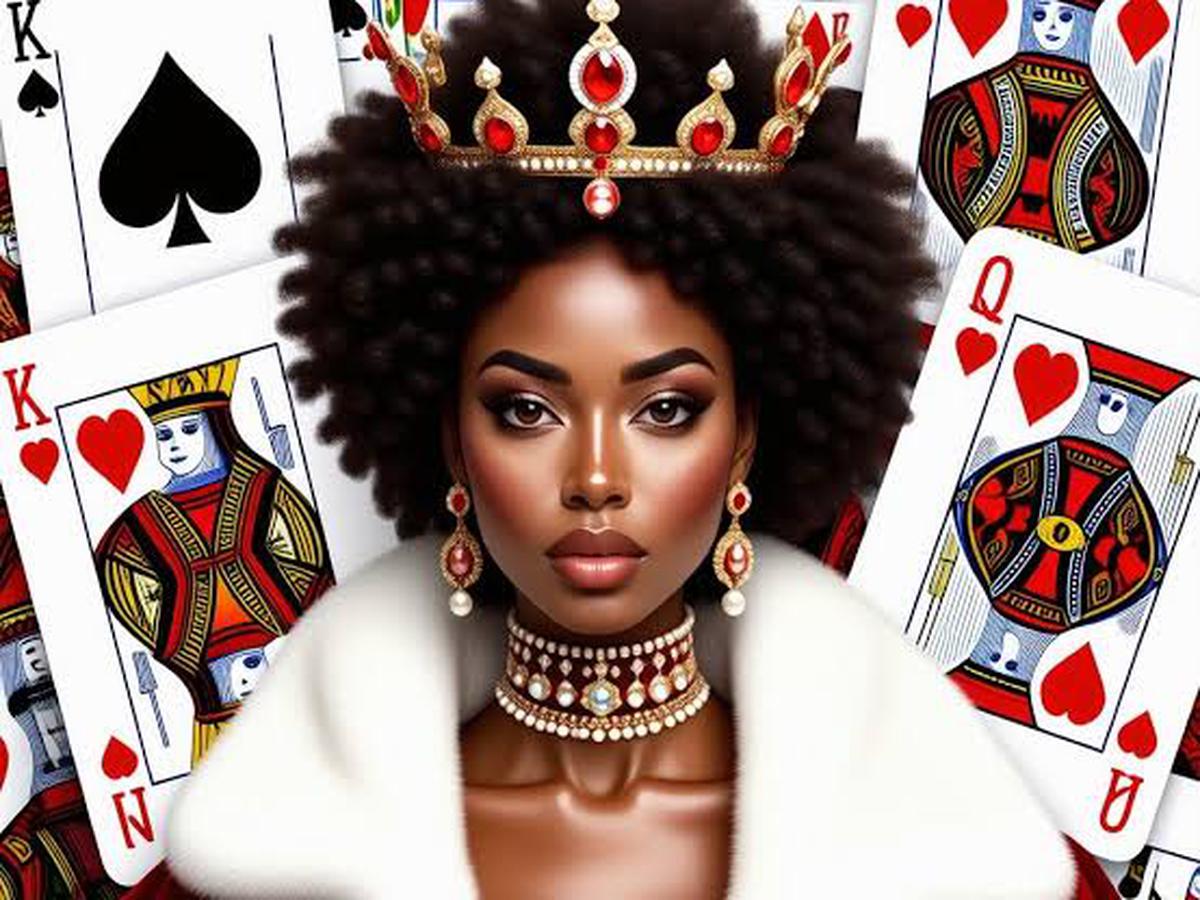
<p><br></p><p>The assertion that the average man will always feel threatened by a successful, strong, independent woman is both true and incomplete. History, religion, and society provide ample evidence that powerful women have often unsettled men who were unprepared to confront strength in a form they did not expect. Yet the same record also shows something deeper: that the most progressive societies and the most fulfilled men are those who learn not to fear powerful women, but to build beside them. The real question, therefore, is not whether strong women intimidate men, but whether men possess the courage and wisdom to collaborate with them.</p><p><br></p><p>Across sacred texts and history, powerful women have repeatedly demonstrated abilities that challenged male expectations. In the Bible, the story of the Queen of Sheba illustrates this clearly. She arrived before King Solomon with immense wealth, intelligence, and probing questions meant to test his wisdom. Her presence was not merely ceremonial; it was intellectual and political. She stood as an equal, representing a kingdom of her own. The narrative shows that even the wisest king had to engage her as a formidable counterpart.</p><p><br></p><p>Another example appears in the story of Jael in the Book of Judges. When the Canaanite general Sisera fled the battlefield, it was Jael who ultimately defeated him, driving a tent peg through his head while he slept. This act fulfilled a prophecy that the glory of victory would go to a woman rather than a male warrior. The story symbolically dismantled the long-held assumption that bravery and decisive power were exclusively masculine traits.</p><p><br></p><p>Similarly, Abigail’s story in 1 Samuel 25 reveals the power of wisdom. Her foolish husband, Nabal, provoked the future king David into preparing a massacre. Abigail intervened with intelligence, diplomacy, and generosity, preventing bloodshed and humiliating the recklessness of the men involved. Her ability to resolve a conflict that male pride had escalated illustrates how strength is not always expressed through physical power but through strategic thinking.</p><p><br></p><p>Even beyond biblical narratives, the “Proverbs 31 woman” is described as an economically influential figure—running businesses, managing property, and contributing significantly to her household’s prosperity. She is industrious, intelligent, and respected at the city gates. The text does not portray her as threatening; rather, it portrays her as admirable and foundational to the success of her family.</p><p><br></p><p>Religious history outside the Bible also echoes this pattern. In Islamic tradition, the Queen of Sheba—known as Bilqis—ruled a wealthy kingdom with authority and diplomatic intelligence. Her leadership commanded respect even from the prophet Solomon. Likewise, Asiya, the wife of Pharaoh, demonstrated immense moral courage by defying her tyrannical husband in her faith. Her strength lay not in wealth alone but in conviction, a quality that challenged the oppressive authority around her.</p><p><br></p><p>African history offers even more vivid examples. Queen Amina of Zazzau expanded her kingdom through military campaigns so formidable that neighboring rulers paid tribute to avoid confrontation. Queen Nzinga of Ndongo and Matamba confronted Portuguese colonial powers with extraordinary diplomacy and psychological brilliance. Yaa Asantewaa of the Ashanti Empire famously shamed hesitant male chiefs into battle and personally led a rebellion against British forces. These women did not merely participate in history—they shaped it.</p><p><br></p><p>Yet while such women often inspired admiration, they also exposed an uncomfortable truth: insecurity can cause some men to interpret female strength as a threat rather than an opportunity for partnership. This reaction is less about the woman’s success and more about fragile notions of masculinity. When leadership and power are viewed as limited resources reserved for men, a powerful woman becomes an adversary. But when leadership is understood as collaborative, her strength becomes an asset.</p><p><br></p><p>Courageous men throughout history have recognized this. King Solomon did not silence the Queen of Sheba; he engaged her in dialogue. The biblical celebration of the Proverbs 31 woman reflects a household that thrives because of her enterprise. Strong societies are rarely built by one gender dominating the other; they emerge when both contribute their fullest capacities.</p><p><br></p><p>Therefore, the presence of a strong, independent woman should not provoke fear but inspiration. Her achievements challenge men to evolve beyond outdated ideas of superiority and into a partnership of equals. When men embrace this mindset, strength becomes multiplied rather than contested.</p><p><br></p><p>In the end, the measure of a man is not how threatened he feels by a powerful woman, but how confidently he can stand beside her. History shows that when men and women combine courage, wisdom, and ambition, the results reshape nations and civilizations.</p><p><br></p><blockquote>After all, <strong>the King may rule the kingdom, but it’s the Queen who moves the Board (runs the affairs of the palace).</strong></blockquote><p><br></p>

 14
14


Final score
Average from 2 judges
81.5%
Judge 1 — 67.5%
Judge 2 — 95.5%
Average — 81.5%



































Comments