


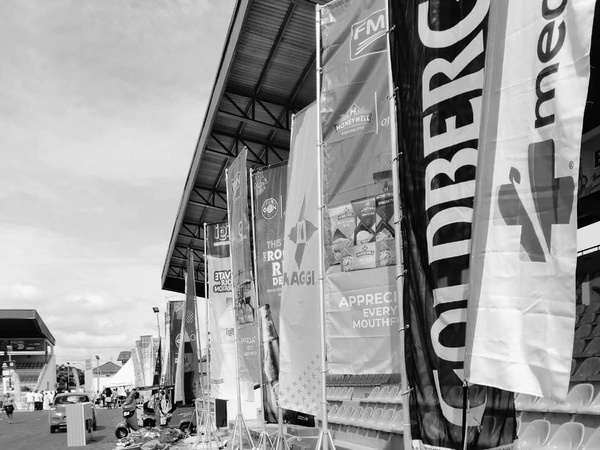
There I stood, tucked quietly in the pavilion, watching what seemed less like a celebration of heritage and more like a battleground of brands.
Ojude Oba, once a regal tribute to royalty and ancestry, now danced dangerously close to becoming a runway for logos and loud branding.
From where I stood, helpless on the agency side, all I could do was observe and advise.
Brand assets towered around me, waving like flags of conquest.
This wasn’t just presence, it was cohesion. A race not just to be seen, but to own the moment (dominate).
And then the questions came:
What place does a brand with no cultural connection have in this sacred space?
Why are we letting everyone gamble with something this sacred?
Some had no business being there, yet they came, not to align, but to hijack.
Even the media, both traditional and digital, read through the schemes and repositioned themselves.
Coverage became curated. Access, intentional. A quiet rebellion in its way.
But the damage had already peeked through.
Culture began to wear corporate perfume.
And slowly, the line between celebration and campaign blurred.
I imagined what could be done.
Perhaps a framework that filters sponsors not just by spend, but by story and the brand affinity to culture.
Privileges tied not only to money, but to meaning.
Only brands with cultural relevance should stand center stage, not just because they can, but because they belong.
There have been improvements, yes. But we must be honest, this beautiful festival needs protection.
From erosion. From excess.
From the slow drift from meaning to marketing.
Because if we’re not careful, the drums of Ojude Oba may soon beat, not for tradition, but for the highest bidder.
And that would be the biggest loss of all.






 595