Football is cruel in the way it makes two strangers share one moment forever.
On Monday, November 2, 2026, at the Estadio Heliodoro Rodríguez López in Tenerife, the game was 2-2. It was the 96th minute. Stoppage time. One last long ball.
Jesús de Miguel was chasing it. The other Jesús was coming to meet it.
They will now be linked for the rest of history, not because they shared a name, but because one did not walk away from that collision.
Who Was Jesús de Miguel?
Jesús de Miguel Alameda was 30 years old.
He was not a superstar. He was not a Galáctico. He was something football needs much more than superstars — a worker.
Born in Madrid in 1996, he came up the hard way. Lower leagues. Small clubs. Long bus rides. Training grounds that were not perfect. He joined CD Tenerife from Castellón ahead of the 2025-26 season and scored 11 goals last season. For Tenerife fans, that made him theirs.
His teammates called him "DeMi."
He was a striker who ran for every ball like it was his last. And on that Monday night, he ran for one more.
When the long ball was played forward from the Tenerife half, De Miguel did what strikers are told to do since they are kids: chase it, press it, don't give up on it.
He was sprinting toward the halfway line, eyes on the ball, when the collision happened.
He collapsed immediately. Players from both teams waved frantically for the doctors. He was carried off on a stretcher. In the ambulance, his heart stopped. The medics got it going again. At the hospital, he was unconscious and critically ill.
On Tuesday morning, November 3, at 8:00am, he died.
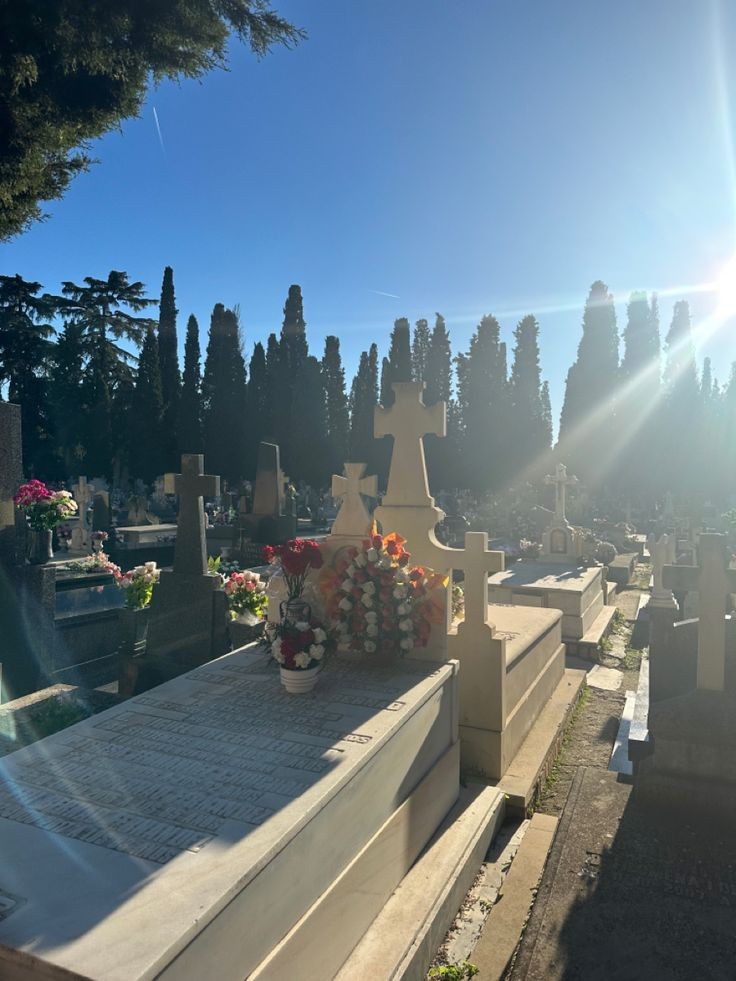
Tenerife announced it with words that sounded broken: "Rotos de dolor, con un nudo en la garganta y sin poder creer que esto sea verdad" — broken with pain, with a knot in the throat, unable to believe this is true.
The club declared six days of mourning. Fans left flowers, candles and photos outside Gate 9 of the stadium. His body was taken to Madrid at his family's wish. His funeral was planned in Navahermosa, Toledo. A tribute was planned for Saturday at the Heliodoro.
Barcelona's Raphinha,

who is also 30, dedicated his Champions League performance that night to him. He said he wanted to send strength to Jesús' family who woke up to very sad news.
The Spanish Federation postponed all matches on Tuesday. Then extended it.
A 30-year-old man went to work to play football and never came home. That is the part we must never lose in all the arguments about rules and punishment. Before he was a headline, before he was a "case," he was a son, a teammate, a friend, a man who scored 11 goals and was loved for it.
Who Is Jesús Owono?
Jesús Owono is 25 years old. He is the goalkeeper for FC Andorra and an international for Equatorial Guinea.
On that same play, he did what goalkeepers are told to do since they are kids: _come out, be brave, be big, clear the danger._
He rushed a long way out of his penalty area, all the way to near the halfway line, to meet the long ball. He jumped. His right knee was raised. He struck De Miguel in the chest.
Referee Manuel Ángel Pérez Hernández showed him a straight red card immediately for contact with his leg raised and using excessive force. The match was abandoned.
Owono walked toward the touchline. He did not look back. Later, he deactivated his Instagram after a torrent of abuse.
The next day, through his club, he released a statement:
> "These are the most difficult days of my life. I'm struggling to find the words and finding it very difficult to process anything that has happened. I feel enormous pain at the loss of Jesus. I think of him, his family, and all the people who loved him."
> "I want everyone to know that I never intended to hurt anyone. It was a terrible accident, something I wish with all my heart I could take back."
He reportedly wants to apologise privately to De Miguel's family.
That is the other side of this tragedy that people forget when they are angry. Owono is 25. He will have to live with this for the rest of his life, even if no court ever punishes him.
So Does Owono Deserve Punishment?
This is where football splits in two.
*The people who say YES say this:*
A keeper cannot fly out to the halfway line with a knee up like that. It was reckless. It was excessive force. That is why the referee gave a red card. If you jump with your knee raised into a man's chest at full speed, you have to accept the consequences.
They say: If this happened on the street, it would be assault. Why should a football pitch make it legal to kill someone? If there is no punishment, what stops the next keeper from doing the same thing?
They point to history. In the 1982 World Cup semi-final,
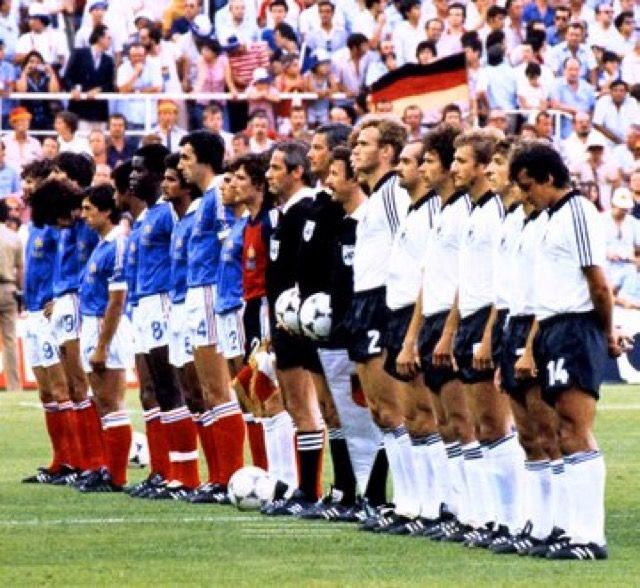
German keeper Harald Schumacher smashed into French defender Patrick Battiston, knocked him unconscious, put him in a coma. Schumacher got no red card, no punishment. Battiston never fully recovered. People still talk about it 44 years later as a shame on football.
They say football must protect players, not just punish after death.
*The people who say NO say this:*
Owono did not intend to kill. There is no evidence he wanted to hurt De Miguel. He was contesting a ball in the course of play. That is football.
Spanish police have opened an investigation into possible involuntary manslaughter, but that is routine in Spain. Any death from a non-natural cause triggers a judicial inquiry. It does not mean Owono is suspected of a crime.
The chief prosecutor of Santa Cruz de Tenerife, José Luis Sánchez-Jáuregui, told EFE that criminal proceedings are "very unlikely." He said injuries during a sporting event typically do not fall under criminal liability. The referee's report and the Federation's Disciplinary Committee will decide if it was intended to cause harm — and so far, no one has said it was intended.
They say: A red card and a sporting ban is punishment. A lifetime of guilt is punishment. Sending a 25-year-old keeper to prison for a split-second football decision will not bring De Miguel back. It will just create two destroyed families instead of one.
They also say: If we start sending players to prison for on-field accidents, football will die. No keeper will ever come out for a cross again. No defender will ever tackle again. The sport is built on risk that players accept when they step on the pitch.
The Hard Truth In The Middle
Both sides are right about something, and both sides are missing something.
Owono deserves a sporting punishment. He already got it — a red card, and likely a ban from the Federation. That is clear. You cannot raise your knee like that and call it clean.
But does he deserve criminal punishment? Does he deserve prison for involuntary manslaughter?
That is a different question. Criminal punishment is for people who are reckless in a criminal way, who ignore a clear danger, who act with intent to harm a person. Owono was reckless in a football way. He misjudged a ball. He mistimed a jump. He was aggressive in a game that rewards aggression.
There is a line between a foul and a crime. Football has always struggled to find it. This case will force Spain to look at that line again.
And there is another punishment no one talks about: the punishment of the internet.
Owono has already been punished by thousands of strangers who have never met De Miguel, who have sent him abuse, who have told him he is a murderer.
That is not justice.
That is cruelty.
If we want to honour De Miguel, we do not do it by destroying another young man with hate and threat messages.
What Should We Remember?
We should remember Jesús de Miguel not as "the player who died," but as the player who lived for football.
A Madrid boy who fought his way to the second division.
A striker who scored 11 goals for Tenerife.
A teammate called DeMi.
A man who chased a ball in the 96th minute because that is what he always did.
And we should remember Jesús Owono not as a monster, but as a young keeper who made a terrible decision in a second, and who now has to live with the worst outcome that decision could ever have.
Two men named Jesús. One ball. One collision. One family grieving a son. One man grieving what he did.
And the reality of everything is that Football will go on. Tenerife will play again. Andorra will play again. But for everyone who watched that match two days back, it will never feel quite the same.
Because now we know: sometimes, "it's just a game" is a lie. Sometimes, it is life and death.


 32