Score |
610


Ema's Seal
 Poetry and crochet @ Entrepreneur
Poetry and crochet @ Entrepreneur



What About Us: The Girls Barbie Forgot
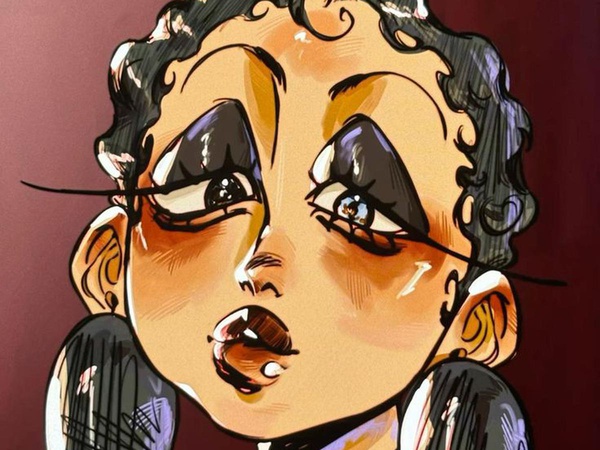
<p>I didn't watch Barbie growing up. Oh no.</p><p>Not because I consciously chose not to, but because I simply never had the chance to. I watched Cinderella and other Disney princesses, but Barbie came into my life much later.</p><p>And the older I became, the more I began to realize that Barbie was never just a doll.</p><p>There are so many girl-coded animations and fictional characters that depict different aspects of real life, but Barbie somehow became much bigger than the screen. She became a cultural symbol. A sociological symbol. A psychological symbol. A historical one.</p><p>But I'm not here to talk about the entire Barbie franchise.</p><p>I'm not here to tell you to aspire to be like Barbie either.</p><p>I'm interested in something else.</p><p>The opposite of Barbie.</p><p>Or, as I like to call it:</p><p>The<strong><em> "WHAT ABOUT US?"</em></strong> Theory.</p><p>Barbie has had many representations over the years, and she has certainly evolved. But the dominant image of Barbie still carries certain visual and cultural associations: bright colours, pink, white, pastels, glamour, polished beauty, cute feminine clothing, perfect-looking skin, styled hair, makeup, heels, manicured nails and an almost carefully constructed version of womanhood.</p><p>And I began to wonder:</p><p>What about the girls who don't look like that?</p><p>Not because they are less beautiful.</p><p>Not because they don't care about themselves.</p><p>Not because they are trying to reject femininity.</p><p>But simply because that isn't who they are.</p><p><img alt="" src="/media/inline_insight_image/1000912757.jpg"/></p><ul><li>Take colour, for example.</li></ul><p>Barbie is heavily associated with pink and other bright, soft and feminine-coded colours. But what about the girl whose wardrobe is black, brown, grey or dark green? The girl who loves muted colours, oversized clothes and darker aesthetics?</p><p>Can we really say that she is reaching for the Barbie world?</p><p>Or has she simply found her own?</p><p><img alt="" src="/media/inline_insight_image/1000912777.jpg"/></p><ul><li>Then there is clothing.</li></ul><p>The Barbie image has long been associated with cute casual outfits, fitted tops, skirts, dresses, heels, floral prints and other traditionally feminine styles.</p><p>But what about the girl who doesn't like dresses?</p><p>The girl who prefers trousers.</p><p>The girl who wears boots.</p><p>The girl who would rather wear an oversized shirt than a fitted top.</p><p>The girl who doesn't feel glamorous.</p><p>The girl who doesn't want to be glamorous.</p><p><strong><em>What about her?</em></strong></p><p><img alt="" src="/media/inline_insight_image/1000912743.jpg"/></p><ul><li>And then there is beauty.</li></ul><p>The perfect girl. The polished girl.</p><p>The girl with flawless skin, glossy hair, perfect makeup, long lashes, manicured nails and a body that somehow appears to have been designed rather than lived in.</p><p><img alt="" src="/media/inline_insight_image/1000912758.jpg"/></p><p>But <strong><em>"what about us?"</em></strong></p><p>What about textured skin?</p><p>What about acne?</p><p>What about scars?</p><p>What about stretch marks?</p><p>What about cellulite?</p><p>What about body hair?</p><p>What about bodies that don't fit the proportions we've been taught to admire?</p><p>What about the girl whose skin isn't flawless because human skin was never meant to be flawless?</p><p>What about the girl with tattoos and piercings?</p><p>The girl with rough hands.</p><p>The girl whose job leaves her bruised, dirty or exhausted.</p><p>The girl who doesn't have a ten-step skincare routine.</p><p>The girl who doesn't want one.</p><p><strong><em>What about her?</em></strong></p><p><img alt="" src="/media/inline_insight_image/1000912742.jpg"/></p><p>And perhaps the question goes even deeper than appearance.</p><p>What about the woman who doesn't behave the way society expects a woman to behave?</p><p>The loud girl.</p><p>The stubborn girl.</p><p>The ambitious girl.</p><p>The competitive girl.</p><p>The girl who isn't naturally nurturing.</p><p>The girl who doesn't dream about marriage.</p><p>The girl who doesn't want children.</p><p>The girl who would rather build a business than plan a wedding.</p><p>The girl who loves mechanics, sports, science, construction or anything else traditionally coded as masculine.</p><p>The girl who isn't soft.</p><p>The girl who isn't delicate.</p><p>The girl who doesn't want to be rescued.</p><p><strong><em>What about her?</em></strong></p><p><img alt="" src="/media/inline_insight_image/1000912778.jpg"/></p><p>If Barbie is supposed to represent femininity, then we have to ask a difficult question:</p><p>What exactly are we saying femininity is?</p><p>Is femininity pink?</p><p>Is it dresses?</p><p>Is it makeup?</p><p>Is it heels?</p><p>Is it a small waist?</p><p>Is it long hair?</p><p>Is it clear skin?</p><p>Is it polished nails?</p><p>Is it being soft, graceful and pretty?</p><p>Or are those simply some of the ways femininity has been packaged and sold to us?</p><p><img alt="" src="/media/inline_insight_image/1000912755.jpg"/></p><p>Because perhaps the problem isn't Barbie herself. Perhaps the problem is what we have allowed Barbie to represent. We sometimes take an image of perfection and turn it into a standard. And once something becomes a standard, everything outside it begins to feel like an exception.</p><p><img alt="" src="/media/inline_insight_image/1000912756.jpg"/></p><p>The girl with scars becomes imperfect.</p><p>The girl with textured skin becomes unattractive.</p><p>The girl who doesn't dress femininely becomes unfeminine.</p><p>The girl who doesn't behave softly becomes difficult.</p><p>The girl who doesn't fit the body ideal becomes insecure.</p><p>The girl who doesn't participate in beauty culture becomes careless.</p><p>But why?</p><p>Who decided that these things make someone less of a woman?</p><p><img alt="" src="/media/inline_insight_image/1000912752.jpg"/></p><p>And perhaps this is where my<strong><em> "What About Us?"</em></strong> theory really begins.</p><p>What about the humans with imperfections?</p><p>What about the people who don't fit neatly into an aesthetic?</p><p>What about the women whose bodies tell stories?</p><p>What about the women whose faces have acne, wrinkles, scars or stretch marks?</p><p>What about the women who don't have perfect lives?</p><p>What about the women who are still figuring themselves out?</p><p>What about the women who don't want to become an ideal?</p><p>What about the women who simply want to become themselves?</p><p><img alt="" src="/media/inline_insight_image/1000912779.jpg"/></p><p>Maybe the best version of a woman isn't the version that looks most like Barbie. Maybe it is the version that is most honestly herself. Because femininity cannot possibly belong to one colour palette, one body type, one hairstyle, one wardrobe or one personality.</p><p>Barbie can represent one possibility of womanhood. But she cannot represent all of us.</p><p>And that is why I keep asking: What about us?</p><p>What about the imperfect?</p><p>What about the unfeminine?</p><p>What about the women who don't know where they fit?</p><p>What about the women who don't want to fit?</p><p><img src="/media/inline_insight_image/1000912739.jpg"/></p><p><strong><em>Perhaps the real freedom isn't becoming Barbie.</em></strong></p><p>Perhaps it is realizing that you don't have to be Barbie to be enough.</p>


 114
114


Other insights from Ema's Seal




Contributor Points
Points-to-Coupons

Referral Earning
Insights for you.

Can We Talk About Period Pain?
Yesterday I nearly died. And please, I’m not even exaggerating. Menstrual cramps are ac...
210 views
58 upvotes
60 comments

Disrespectfully, please leave
Dear Menstruation,We need to talk. Like right now.First of all, I’ll hand it to you— yo...
185 views
48 upvotes
45 comments

Papa wasn't mine...
My father died on a Tuesday.The man who raised me. The quiet one. The one who came home...
176 views
46 upvotes
47 comments
It Was Never About Pink
For years, I wore my hate for pink like a badge of honour. In family pictures, I’m the ...
519 views
37 upvotes
42 comments
Your Daughter Is Already Pretending
They grow up to be women who have turned pretense into an art form. And it starts early...
331 views
36 upvotes
38 comments
Hot Body?
Since I clocked thirteen, getting dressed has felt like walking through a minefield. It...
123 views
38 upvotes
43 comments

GOOD GIRLS DON’T WIN
I’m done being a good girl; let the streets judge me. They told us to cross our le...
784 views
38 upvotes
31 comments
We Are Watching You Watch Us
They buried her alive, and they did it in broad daylight. They did it with paperwork. W...
125 views
30 upvotes
32 comments
The Dangers of Ultra Feminism
I'm a strong feminist and a girl's girl, even if that sounds cheesy. But as much as I...
679 views
29 upvotes
30 comments

Are we punishing psychosis?: The Lind...
Are We Punishing Psychosis?A person commits a crime under the influence of psychosis. A...
154 views
31 upvotes
28 comments