Score |
217


Albarka.
 Student, writer. @ Federal University Oye-Ekiti
Student, writer. @ Federal University Oye-Ekiti



When Pain Becomes Public Property.
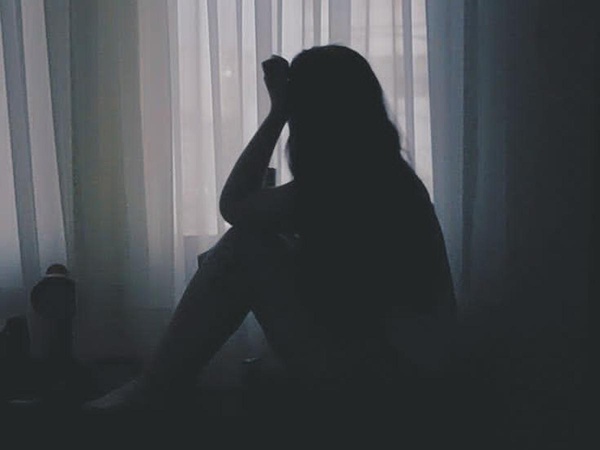
<p><br/></p><p>Have you ever seen someone post something like, “I am tired of everything,” and the first comment is, “Who offend you?” followed by laughing emojis? Or someone finally opens up about what they are going through, only for people to call them an attention seeker?<br/></p><p><br/></p><p>Sometimes, I wonder if we really understand how difficult it is for some people to speak about what they are feeling.</p><p><br/></p><p>In Nigeria, we are used to hearing things like “Be strong,” “Others have it worse than you,” or “You are overthinking.” </p><p>Sometimes, people say these things because they want to encourage us. Other times, they simply do not understand what we are going through. </p><p>So, we learn to keep quiet. We smile when we are not happy, say “I am fine” when we are not, and carry on with life because we do not want to be judged.</p><p><br/></p><p>This is one reason sharing mental health experiences online can be an act of courage.</p><p><br/></p><p>Imagine someone who has been struggling silently for months finally deciding to share their story on social media. </p><p>They may not know who needs to hear it, but somewhere, someone reads it and thinks, “So, I am not the only one.”</p><p> That person may finally feel understood. </p><p><br/></p><p>Sometimes, one person's honesty gives another person the courage to speak.</p><p><br/></p><p>But then, there is another side to it.</p><p><br/></p><p>We live in a time when almost everything can become content. People post their happiest moments, their achievements, their relationships, and sometimes, their pain.</p><p> A serious confession can become a trending topic. </p><p>A person's difficult experience can turn into gist for group chats.</p><p> People who know nothing about the situation may start giving opinions, making jokes, or sharing the post with others.</p><p><br/></p><p>The same internet that helps someone find support can also expose them to ridicule.</p><p><br/></p><p>And this makes me wonder: are we really listening to people, or are we just interested in their stories?</p><p><br/></p><p>Think about it. </p><p>If someone shares a painful experience and receives thousands of likes, does that automatically mean they have been helped? What happens when the comments stop coming?</p><p> What happens when the person is no longer trending and still has to face the same problems they were struggling with before?</p><p><br/></p><p>Attention is not always support, and going viral is not the same as healing.</p><p><br/></p><p>However, I do not think the answer is to tell people to stop sharing their experiences online. That would only encourage the silence many people are already trying to escape.</p><p> People should be able to speak about what they are going through without being called weak or desperate for attention.</p><p><br/></p><p>Some people find comfort in telling their stories publicly.</p><p> Others prefer to speak to a trusted friend, or a family member.</p><p> Some may not be ready to talk at all. </p><p>We must understand that people deal with difficult experiences differently.</p><p><br/></p><p>What matters is not how many people know about someone's pain, but whether that person receives the understanding and support they need.</p><p><br/></p><p>Perhaps we need to do better, not only as internet users but also as friends, family members, classmates, and members of society. </p><p>When someone tells us they are struggling, we can listen before judging.</p><p> We can check on people without waiting for them to post something sad. </p><p>We can stop turning other people's vulnerable moments into jokes or gossip.</p><p><br/></p><p>We may not always know the right thing to say, but we can learn not to make things worse.</p><p><br/></p><p>So, is sharing your mental health story online an act of courage, or does the internet turn pain into content?</p><p><br/></p><p>I think it can be both. </p><p>Sharing can help break stigma, but the way we respond can either make someone feel safe or make them regret speaking. </p><p>The problem is not always the decision to share; sometimes, it is what we do with the stories people trust us enough to tell.</p><p><br/></p><p>People should not have to make their pain public before we take it seriously. </p><p>And when they do choose to speak, we should remember that behind every post is a human being, not just content for our timelines.</p><p><br/></p><p><em>Our stories may be shared with the public, but that does not make our pain a public property.</em></p><p><br/></p>
Competition entry
|
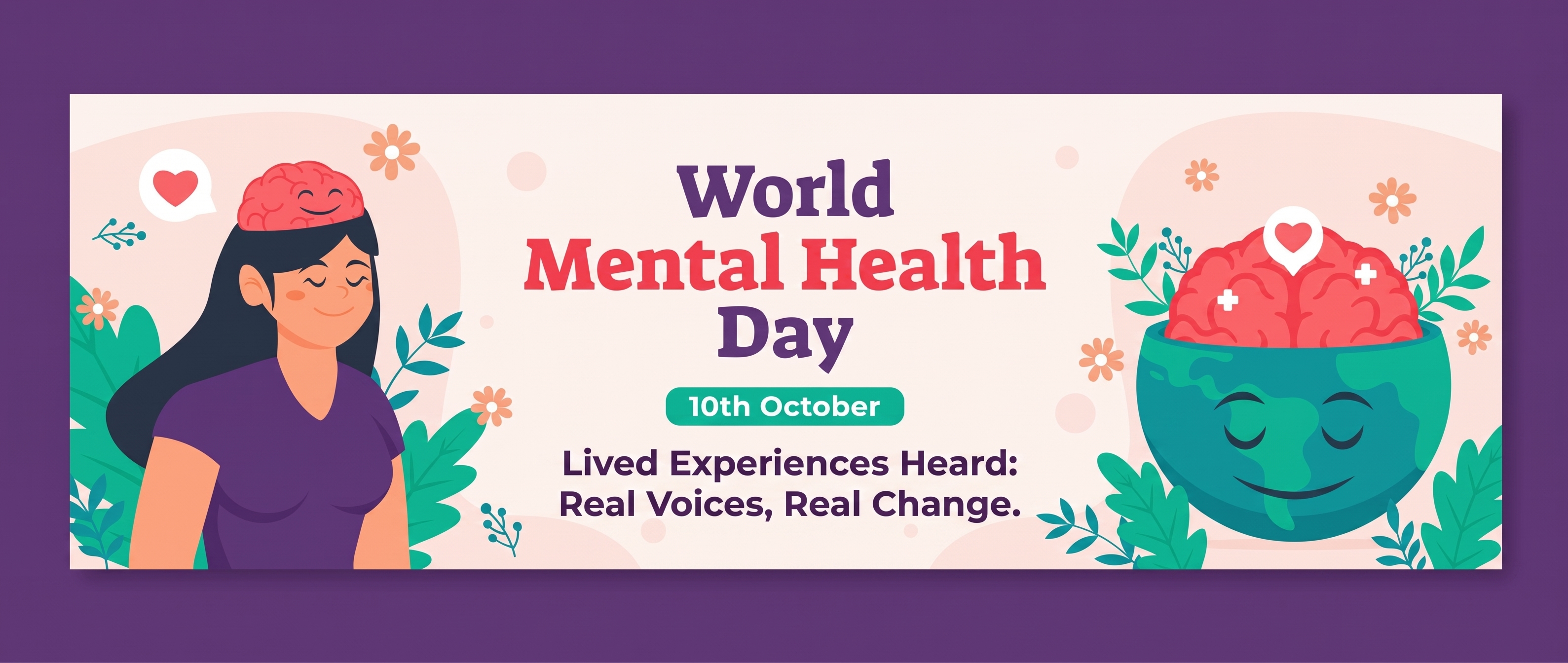
WORLD MENTAL HEALTH DAY: REAL VOICES, REAL CHANGE - SHOULD WE SHARE OUR STORIES?


 27
27


Other insights from Albarka.









Contributor Points

Points-to-Coupons

Referral Earning

Insights for you.



Silence: The things we don't say.🥺
I walked out of my house, shutting the door behind me, and moved to the terrace.I neede...
254 views
60 upvotes
64 comments
Suicide: The Permanent Solution.
“Did you regret it?”“You know…”I hesitated.“What happened?”A heavy sigh was the first r...
269 views
51 upvotes
54 comments

Suicide: The Nigerian perspective.
As we all know, this month, September is Suicide Prevention Month.Today, I'll be talkin...
167 views
46 upvotes
66 comments


2 a.m.
Maybe it's all the nights I spent not sleepingOr all the days I sat thinkingOf how I've...
270 views
52 upvotes
50 comments
Yours in the Empty
Losing a father is one thing,Losing a best friend is another.Losing the "head" is one t...
418 views
60 upvotes
44 comments

I’m Skinny, and So What?
What if I told you that I have cried more over my own arms than over any guy who has ev...
237 views
49 upvotes
51 comments


Shocking Generosity.
Dear Mr. Smith,Good afternoon, sir. I hope this letter meets you well.I write to profus...
136 views
46 upvotes
43 comments


After Alhaji
"Kai, yarinyar nan ta yi sa'a ƙwarai.""Wallahi. Alhaji Ibrahim da kansa zai aura ta.""T...
292 views
37 upvotes
44 comments


One step forward, Three steps back
I'm tired...But not for the reason you're thinking How much more must life take?How muc...
448 views
51 upvotes
41 comments