True
MINI-COMPETITIONS

Mini competitions are shorter, smaller contests than TwoCents' main essay and spoken-word competitions.


They typically last a few days and are often themed around world days, trending issues, or other timely topics.

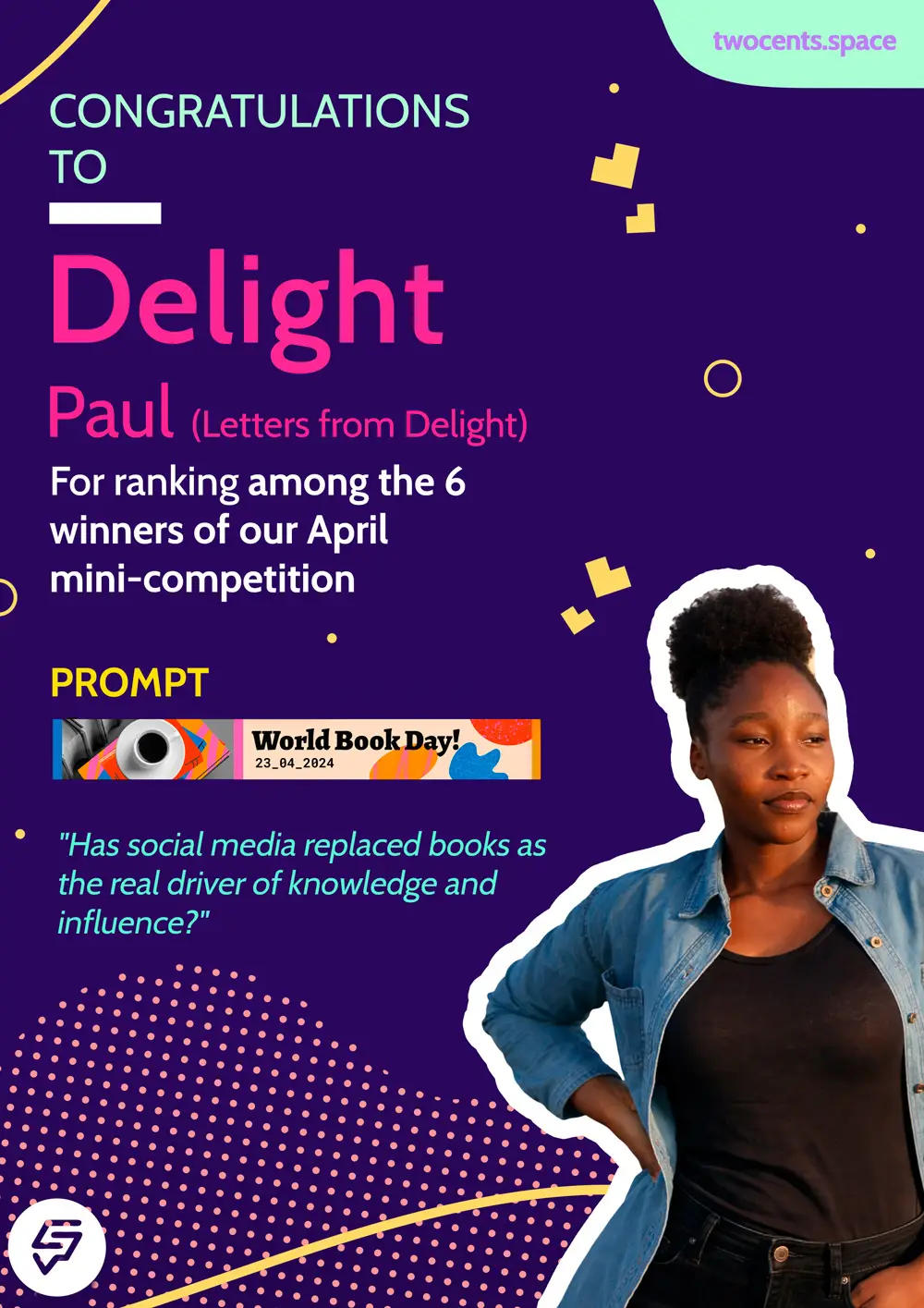
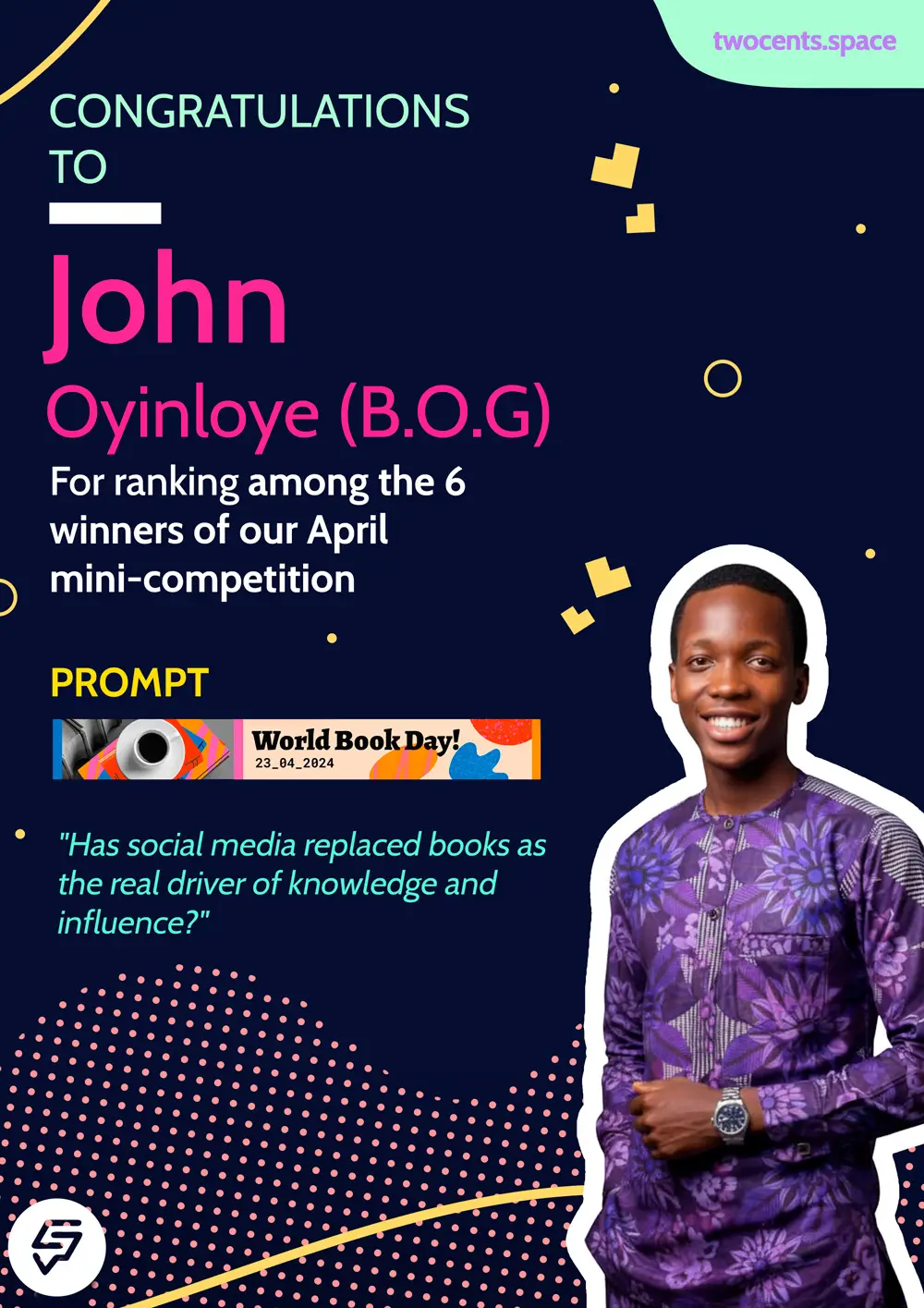
Entries for mini-competitions are regular insights/posts, rather than essays.


At the end of each competition, we reward between 3 and 10 of the top posts based on either content quality or engagement score.


Use the dropdown to select a mini-competition


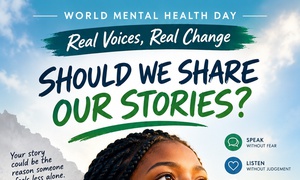
WORLD MENTAL HEALTH DAY: REAL VOICES, REAL CHANGE - SHOULD WE SHARE OUR STORIES?
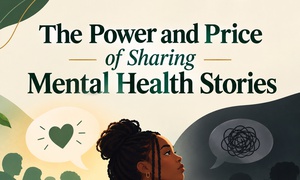
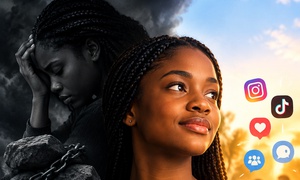
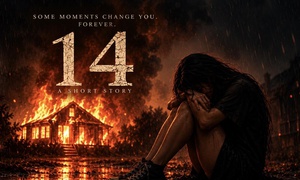
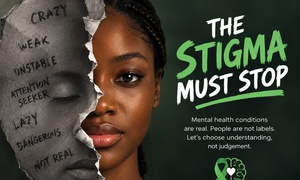
<p>"You're just lazy." </p> <p>"Go and pray about it." </p> <p>"Na village people." </p> <p>"You think say na only you get problem?" </p> <p>"Just be strong." </p> <p>Most Nigerians have heard at least one of these. Many of us have said them. And for generations, phrases like these have taught people one lesson: keep it to yourself. </p> <p>Every October 10th, the world marks World Mental Health Day, and this year's theme is <strong>"Lived Experiences Heard: Real Voices, Real Change."</strong> But in Nigeria, real voices often struggle to be heard at all. </p> <p>With fewer than 200 psychiatrists for over 200 million people, and the japa wave pulling even more professionals abroad, most Nigerians who are struggling will never sit in front of a mental health professional. For many, the biggest barrier is not money or distance. It is stigma, and the silence it creates. </p> <p>But something has shifted. In the age of TikTok storytimes, Twitter threads and "let me be vulnerable for a minute" captions, this generation is breaking that silence in public, and sharing our struggles has never been easier. </p> <p>The situation forces us to confront an extremely difficult question. </p> <p>Is speaking openly about your mental health online an act of courage that breaks stigma, or does the internet turn lived experience into content and leave people more exposed than before? </p> <p>Our position for this discussion is that real voices are how stigma dies. Every person who says "I went through this" makes it easier for the next person to admit they are struggling. Silence has protected stigma for generations. Speaking up is how we end it. </p> <p>But is that the whole picture? </p> <p>Not every story shared online is received with kindness. Some people are mocked, labelled or remembered forever by one bad season. Some get judged by family, employers or future partners. And some sharing stops being healing and becomes performance, chasing likes rather than recovery. </p> <p>The right to keep your struggles private must remain part of the conversation too. </p> <p><strong>YOUR TASK<strong> </p> <p>Write a thoughtful argument addressing the question at the heart of this year's theme: <p>Does sharing our mental health stories publicly create real change, or does it carry risks that outweigh the benefits? </p> <p>You may agree or disagree with our position, but your argument should go beyond emotion.</p> <p>Consider the role of social media, the power of seeing someone like you speak up, the difference between advocacy and oversharing, the risk of stigma following someone for years, and who gets to decide when, where and how a person tells their story. </p> <p><strong>Real voices. Real change. Start with yours.</strong></p>

Ended | Oct 10, 2026 00:00a.m. — Oct 11, 2026 00:00a.m.

21 submissions


What is TwoCents? ×