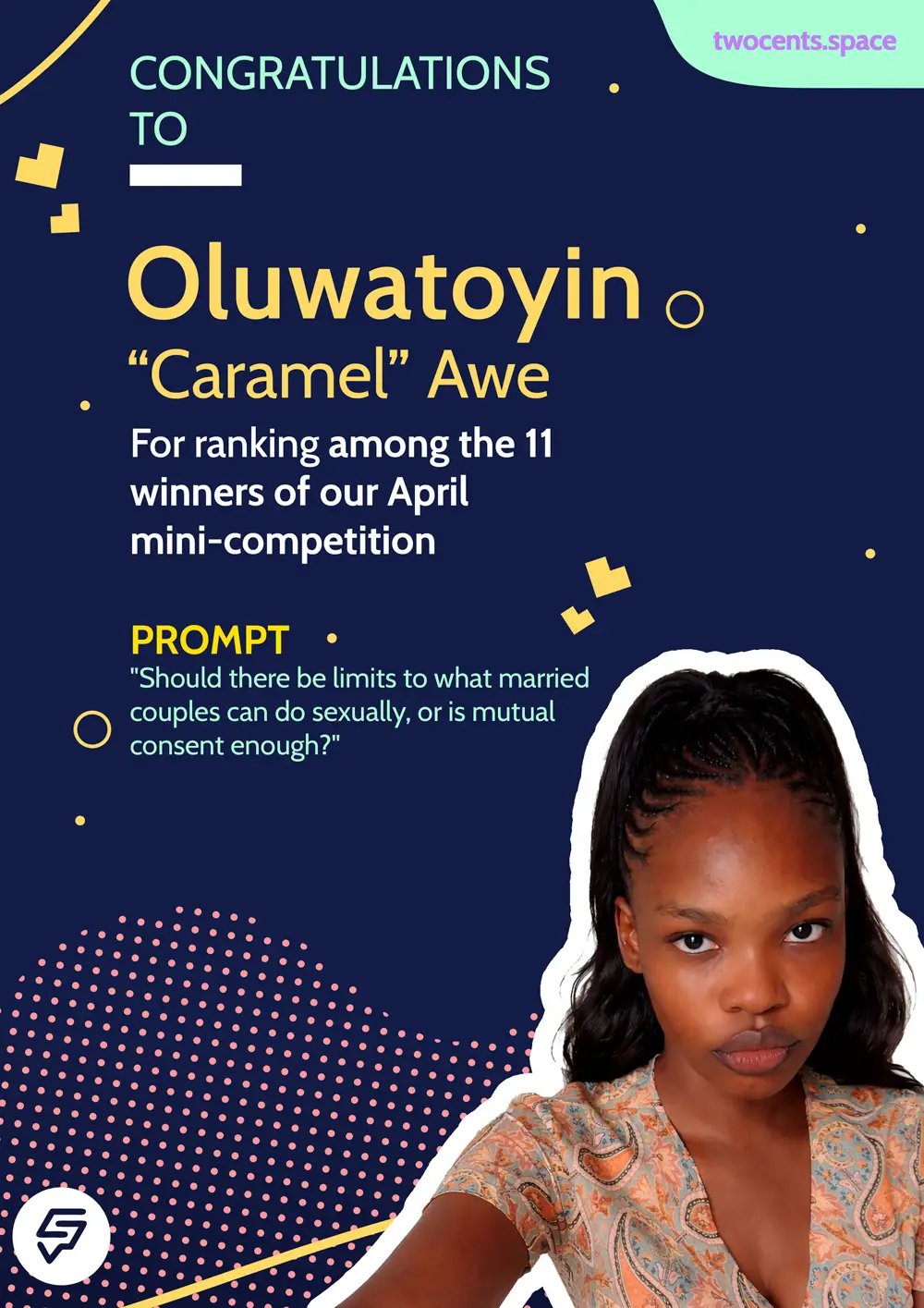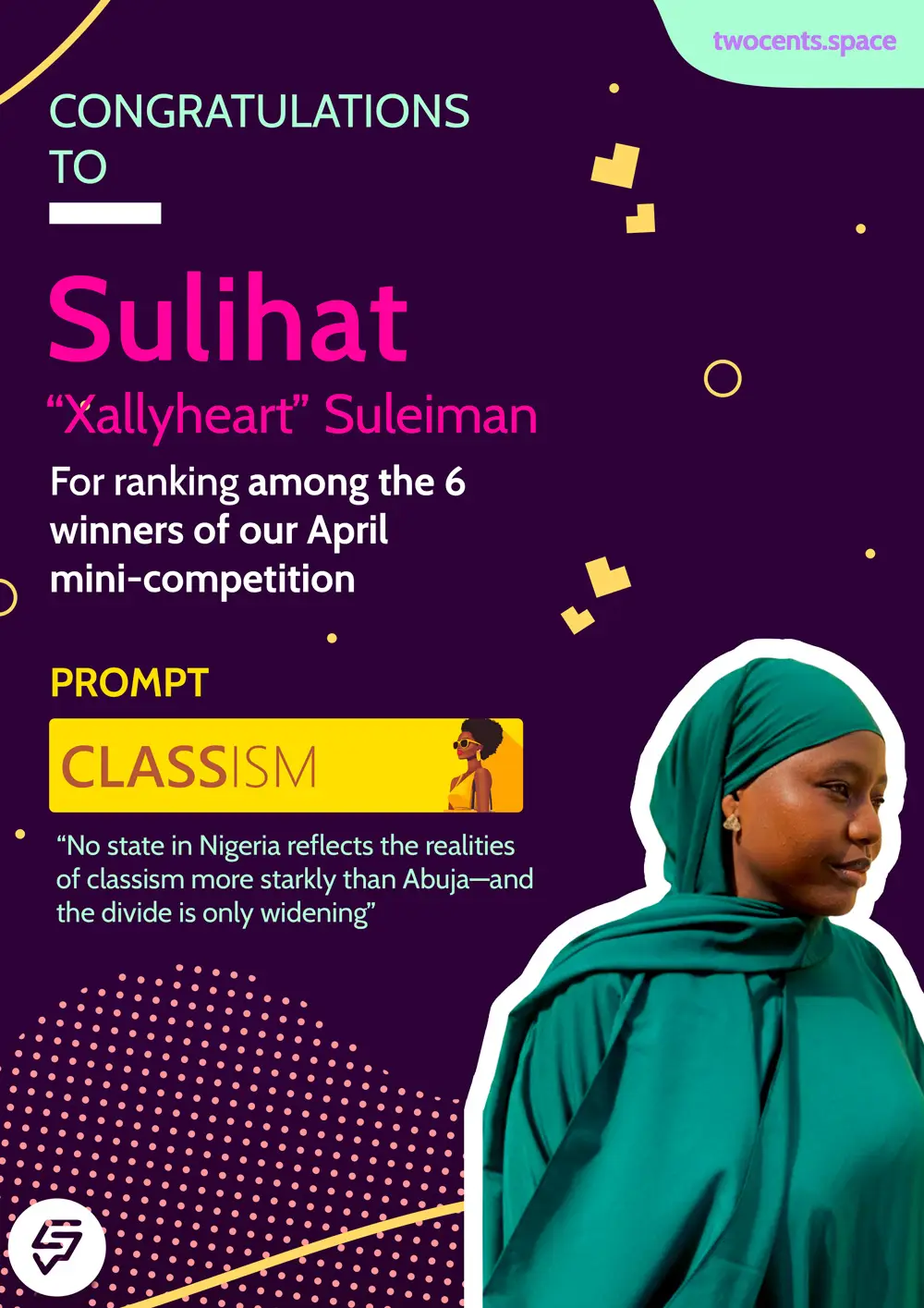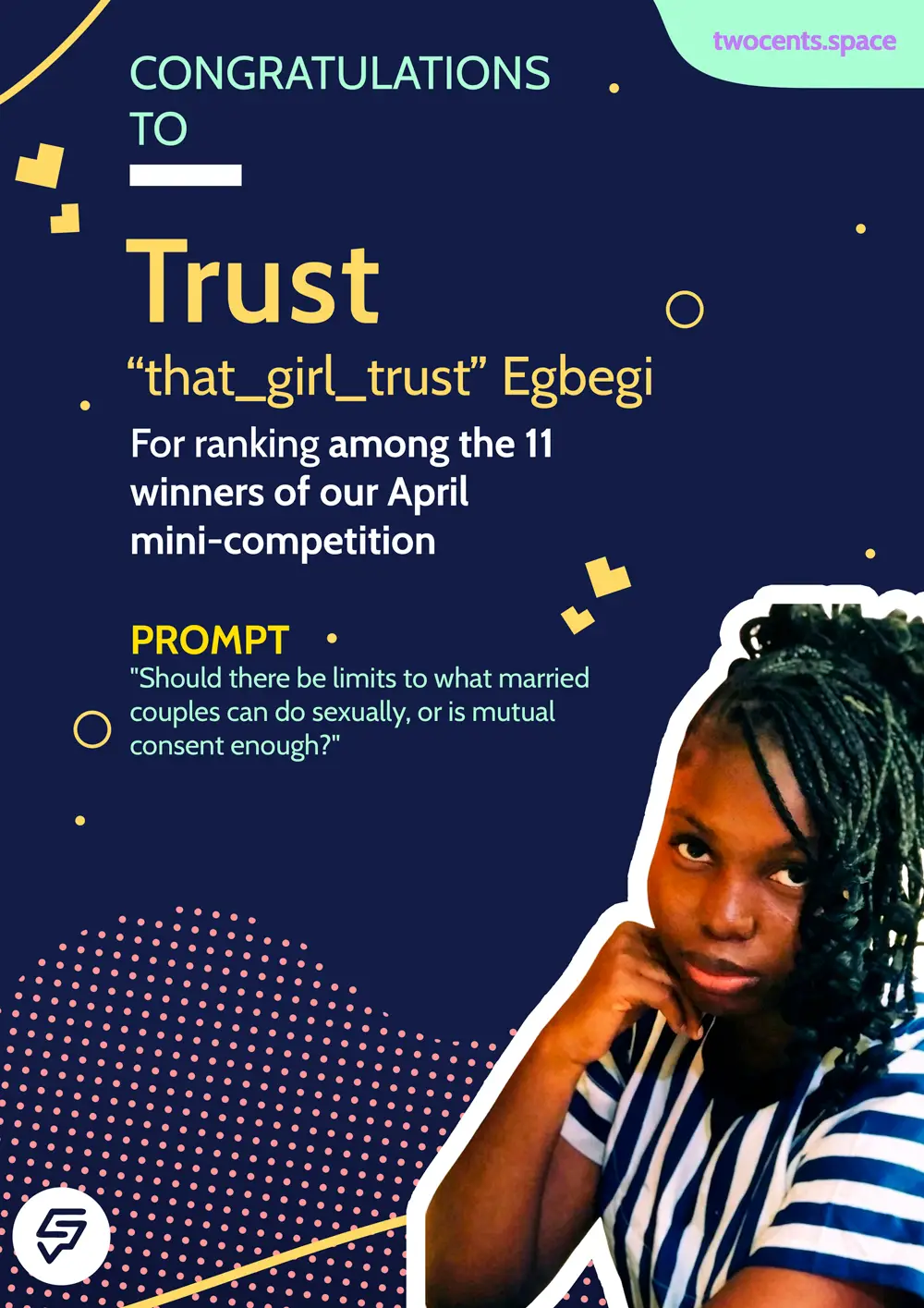
True
MINI-COMPETITIONS

Mini competitions are shorter, smaller contests than TwoCents' main essay and spoken-word competitions.


They typically last a few days and are often themed around world days, trending issues, or other timely topics.
Entries for mini-competitions are regular insights/posts, rather than essays.


At the end of each competition, we reward between 3 and 10 of the top posts based on either content quality or engagement score.


Use the dropdown to select a mini-competition


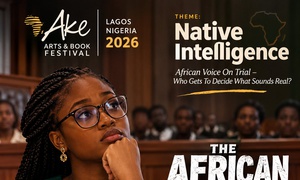
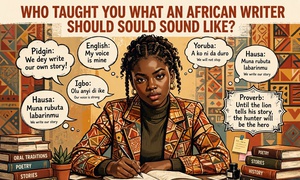
Ake Festival 2026 - Native Intelligence: African Voice On Trial - Who Gets To Decide What Sounds Real?

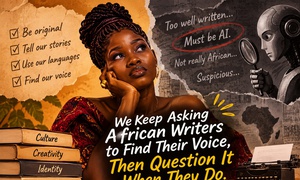
<article class="ake-festival-post"> <section class="court-proceedings"> <p><strong>COURT IS NOW IN SESSION.</strong></p> <p><strong>The accused:</strong> a 22-year-old Nigerian writer.</p> <p><strong>The charge:</strong> writing too well.</p> <p><strong>Exhibit A:</strong> an essay with flawless grammar.</p> <p><strong>Exhibit B:</strong> a sentence that used the word juxtaposition.</p> <p><strong>Exhibit C:</strong> a proverb so sharp, the judge was sure no human could have written it.</p> <p>The prosecution says it is AI. The defence asks for one chance to explain. The jury does not need one. Everyone already knows what an African writer is supposed to sound like, and this is not it.</p> <p><strong>Verdict:</strong> guilty of being brilliant while African.</p> </section> <section class="post-body"> <p>It sounds like a joke, but for many African writers, this trial happens every day: in classrooms, in comment sections, and in the quiet suspicion of readers who decide your words cannot really be yours.</p> <p>This trial is not new. Years before AI, Chimamanda Ngozi Adichie described a professor who told her that her novel was not authentically African. Her characters were educated, middle-class, and drove cars, which did not fit his idea of what Africa should look like. In the same talk, she remembers an American roommate who was surprised she spoke English so well. The problem was never her writing. It was what people expected an African voice to sound like.</p> <p>Today, the trial has a new prosecutor: AI.</p> <p>This November, the Ake Arts and Book Festival returns to Lagos with the theme Native Intelligence, a celebration of African knowledge, creativity, and the many ways of knowing that do not fit in a classroom or a machine. Its founder, Lola Shoneyin, has said that African writers are wrongly accused of using AI simply because of differences in their language and style.</p> <p>The situation forces us to confront an extremely difficult question.</p> <p>When an African writer sounds brilliant, fluent, or simply different, why is the first reaction suspicion, and who gets to decide what an authentic African voice sounds like?</p> <p>Our position for this discussion is that the African voice is being judged by a standard that was never built for it. Writing with rich vocabulary, formal English, proverbs, or rhythm drawn from our own languages is not evidence of a machine. It is evidence of a people who have always been intelligent, long before any algorithm. Treating eloquence as suspicious is the same old single story in a new form.</p> <p>But is that the whole picture?</p> <p>AI-generated writing is real, and it is everywhere. Writers who copy and paste do exist, and they take recognition away from those who do the work. Communities that care about original writing, including ours, need ways to protect it. And maybe the African voice is itself a single story. Africa has thousands of languages, accents, and styles, and no one sound can stand for all of them.</p> <p>The right of every writer to be heard as themselves, and not as a stereotype or a suspect, must remain part of the conversation too.</p> </section> <section class="task-section"> <h3>YOUR TASK</h3> <p>Write a thoughtful argument addressing the question at the heart of this year’s Ake theme: <strong>Is the African voice being unfairly put on trial in the age of AI, and what makes a voice truly yours?</strong></p> <p>You may agree or disagree with our position, but your argument should go beyond emotion.</p> <p>Consider how African writers have been doubted long before AI, what native intelligence means to you, whether there is such a thing as an African voice or many, the role of Pidgin, proverbs, and our own languages in how we write, how writing communities can protect originality without punishing difference, and what it feels like to have your own words doubted.</p> <p>You may draw on what you have seen, read, or lived. The strongest evidence for your argument may be your own voice.</p> </section> <section class="ground-rules"> <h3>GROUND RULES</h3> <ul> <li>Your own words only. AI-generated entries will not be considered.</li> <li>Credit any quotes, sources, or ideas that are not your own.</li> <li>Challenge ideas, not individual writers or reviewers.</li> <li>Keep the comments respectful. Disagree with ideas, not people.</li> </ul> <p><strong>The court has heard the prosecution. Now it is your turn to testify.</strong></p> </section> </article>

Add a Submission

Ongoing | Nov 19, 2026 00:00a.m. — Nov 20, 2026 00:00a.m.

10 submissions

Page 1 of 1

What is TwoCents? ×