AFTER THE ARREST
When the Headlines Fade, Who Remembers the Victims?
A family receives a phone call. Someone they love has been killed. There are tears, unanswered questions and a kind of silence that no amount of comforting words can fill. Days later, they hear that a suspect has been arrested. For a moment, hope returns. Perhaps justice will finally be served.
But what happens next?
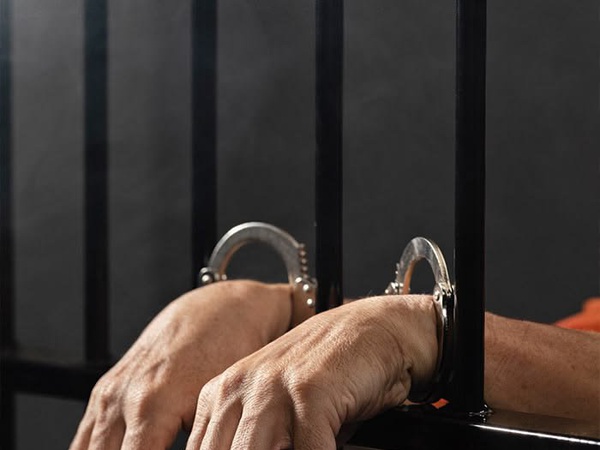
One thing I have never quite understood about Nigeria's justice system is how easily public attention shifts from the announcement of an arrest to another trending issue, as though the arrest itself were the conclusion of the story.
I have seen reports of people being killed, read comments from Nigerians demanding justice and watched the police announce the arrest of suspects. Yet I often find myself asking questions that seem to have no clear answers. Were they charged to court? Did the trial begin? Was justice eventually served? What happened to the families who lost someone?
I understand that an arrest is not the same as a conviction. Every accused person deserves a fair trial, and nobody should be punished without proper investigation and evidence. However, that does not mean we should stop asking questions about what happens after an arrest.
Imagine losing a sister, a daughter or a friend to a violent crime. After the shock and grief, you are left hoping that the person responsible will be held accountable. But what happens when seeking justice becomes another struggle? What if your family cannot afford a lawyer? What if the person accused of the crime has money, connections or influence that you do not have?
Does the value of someone's life become less important because their family cannot afford to fight for justice?
This is one of the things that troubles me most. Justice should not be something people can only pursue when they have enough money. It should not depend on whether the accused person is influential or whether the victim comes from a wealthy family. The law is supposed to protect everyone, regardless of their background.
Another thing that concerns me is how quickly we forget. A murder happens, social media becomes filled with outrage, people demand justice, and the story circulates for days. Then another tragedy happens, and the previous one gradually disappears from public conversation. Meanwhile, the family of the victim has not forgotten. They still have questions. They still want answers.
I also wonder whether we pay enough attention to the work of our justice system. We hear about arrests, but we should also hear about prosecutions, court proceedings and their outcomes. There are Nigerian cases that have resulted in convictions, so it would be unfair to say that justice is never served. However, the public deserves better awareness of the process and confidence that serious crimes will not simply be ignored.
I believe we also need to make legal assistance more accessible to ordinary Nigerians. Studying law should not only be about the prestige of having a title or the financial benefits that come with the profession. It should also involve understanding the responsibility of standing up for people who may not have the resources or influence to defend themselves. There are lawyers who already do this, and their work deserves recognition.
I do not expect Nigeria to become a country without crime. No country is completely free from it. What I want is a system where crimes are properly investigated, suspects are prosecuted when the evidence supports it, trials are fair and victims' families are not left wondering whether anyone still remembers their case.
Perhaps the greatest problem is not just that people are losing their lives, but that those left behind sometimes have to struggle so hard to get answers. We cannot bring back the people we have lost, but we can make sure that their deaths are not treated as stories that simply expire when public attention moves elsewhere.
An arrest should be the beginning of the journey towards justice, not the end of public interest in the case.
Because when the headlines fade, the victims are still gone, their families are still grieving, and someone, somewhere, is still waiting.
Justice must not end where the headlines do.


 13