


Architecture of Silence: Tradition, the Crowd and Cover-up
When a woman is beaten, tradition asks her what she did to provoke him. When she is violated, the crowd asks what she was wearing. When she finally gathers the courage to speak, the family tells her to stay quiet to save their reputation.
Tradition provides the excuses, the crowd provides the audience, and the cover-up provides the escape.
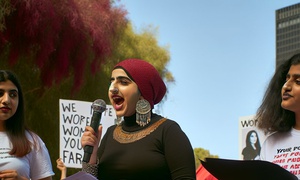
Internationally, violence against women has taken different forms, some familiar. Sometimes it wears the clothing of tradition. It also hides behind the indifference of a crowd and sometimes walls of silence.
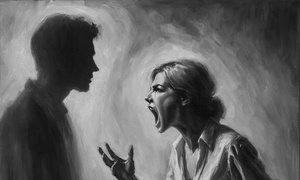
Different forms of violence against women: economic violence, sexual violence, psychological violence, cultural violence.
Not every woman violated has a visible wound. They are ingrained deep in their hearts. Some are questioned, shamed and ridiculed to the point where they begin to question their own life. Some are imprisoned in marriage where their opinions have no value. Some physically exist in a room where their voice is not heard.
Maybe, one of the greatest tragedies of violence against women is not to be physically hurt but that they have been ingrained in them that they have no voice. They have learned to survive situations they should never have been subjected to in the first place. Her suffering is called sacrifice. And when she finally speaks, it is rebellion!!
We live in societies where women are permitted to suffer quietly. They can experience injustice but must not challenge the person responsible. Why is she expected to suffer quietly to be considered respectful? Why does speaking out about her pain become an act of disrespect?
If a woman must choose between reporting her abuser and keeping her home, between seeking justice and protecting her family, can we honestly call her silence consent? This is where tradition, the crowd and the cover-up intersect.
What is equality? Equality should not include humiliation of men. It includes the removal of privileges that deny women equal dignity and opportunity. Does being a woman make someone less qualified to lead? And should a man be considered less of a man because he shares authority with his woman?
The Inheritance Of Silence
A woman once ostracized for speaking may teach her daughter to endure. An elder woman whose marriage demanded her sacrifice may interpret another's suffering as normal. Sometimes the guardians of silence are women who suffered under it themselves. We should also understand that some of these women are not defending unfair violence but that they have learned to navigate a society that prohibits women from speaking, and in an attempt to protect their daughters, pass down the very silence that imprisons women.
But survival should not be inherited. It should be fought for. Because when dependence is taught, freedom becomes difficult. From childhood, some women have been taught dependence, rather than independence.
Then when abuse finds them, society asks them why they remained. They should leave to where? With what resources? How is she supposed to survive on her own? And how is she expected to build a life she was never taught to sustain?
We cannot spend a woman's childhood teaching her kitchen skills, informing her her future is in someone else's hand and then condemn her adulthood for struggling to take it back. There is absolutely nothing wrong in being a homemaker but why is it imprisonment and not by choice. Choice is different between empowerment and confinement.
Who should answer for it?
Tradition must answer for the excuses it provides. The crowd must answer for the silence it keeps. The family must answer for the cover-up it protects. And the state must answer for the justice it fails to give. It is not only the abuser that keeps violence alive, it is everyone who saw, heard, and chose to say nothing.
Eliminating violence against women is more than protecting women after they have been harmed. It is raising women with education, confidence and freedom to make choices about their lives.


 15