True
MINI-COMPETITIONS

Mini competitions are shorter, smaller contests than TwoCents' main essay and spoken-word competitions.


They typically last a few days and are often themed around world days, trending issues, or other timely topics.



Entries for mini-competitions are regular insights/posts, rather than essays.


At the end of each competition, we reward between 3 and 10 of the top posts based on either content quality or engagement score.


Use the dropdown to select a mini-competition


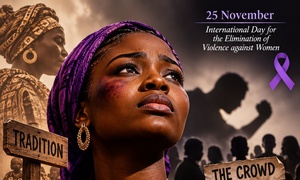
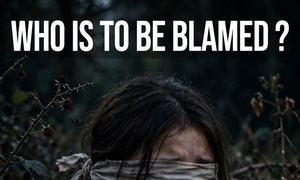
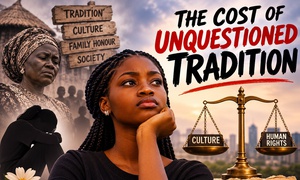
TRADITION, THE CROWD AND THE COVER-UP - WHO SHOULD ANSWER?

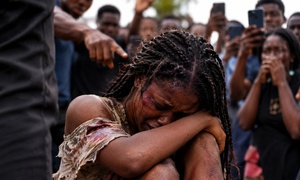
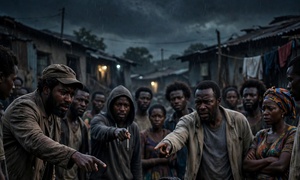
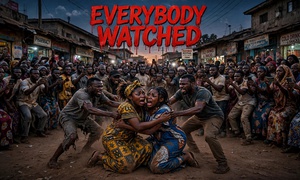
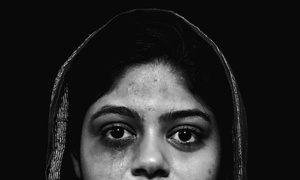
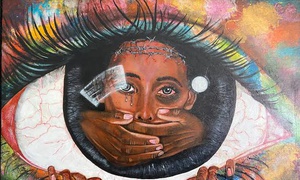
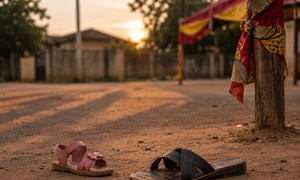
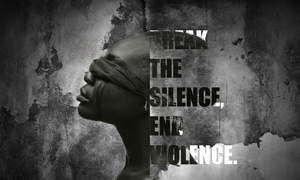
<p>INTERNATIONAL DAY FOR THE ELIMINATION OF VIOLENCE AGAINST WOMEN</p> <p>TRADITION, THE CROWD AND THE COVER-UP - WHO SHOULD ANSWER?</p> <p>Imagine this.</p> <p>It’s a Thursday afternoon. A 17-year-old girl is on a bike, heading home from school. She’s thinking about her homework, maybe what’s for dinner. She has no idea that today is a festival day, or that she’s not supposed to be outside.</p> <p>Then they come.</p> <p>A group of young men stop the bike. They pull her off. Hands grab at her body, her clothes, her hair. She screams. People are watching. Some are laughing. Some phones are up, recording.</p> <p>Nobody steps in.</p> <p>This isn’t a movie scene. In March this year, during the Alue-Do festival in Ozoro, Delta State, young women and girls were reportedly chased, pulled off motorcycles, dragged and groped in broad daylight. One was a 17-year-old secondary school student. Another was a university student. Within hours, the videos were everywhere. Police arrested 18 people, community leaders blamed “hoodlums” who hijacked the festival, and the nation moved on to the next trending story.</p> <p>And the reason some people gave?</p> <p>“It’s our culture.”</p> <p>“Na family matter.”</p> <p>“Why was she outside?”</p> <p>“What was she wearing?”</p> <p>“Don’t spoil your father’s name.”</p> <p>“Go back and pray for your husband.”</p> <p>Most Nigerians have heard at least one of these. Many of us have said them. And for generations, phrases like these have taught people one lesson: see no evil, hear no evil, speak no evil.</p> <p>Ozoro is not the only story. Nearly 1 in 3 Nigerian women have experienced physical violence since the age of 15, and most cases are never reported, let alone punished. Sometimes the harm is excused as tradition. Sometimes it happens in front of a crowd. And sometimes it is buried by the very people who should protect her: family, church, community and even the police.</p> <p>Every November 25th, the world marks the International Day for the Elimination of Violence against Women, and this year’s theme is “Ensure justice, protect survivors, end impunity.” But in Nigeria, justice for women often struggles to arrive at all.</p> <p>The situation forces us to confront an extremely difficult question.</p> <p>When violence against women is excused by tradition, watched by a crowd and buried in silence, who should answer for it: only the people who did it, or everyone who saw, heard and said nothing?</p> <p>Our position for this discussion is that silence is not neutral. Every onlooker who films instead of helping, every elder who defends a harmful practice, and every relative who says “keep quiet” helps violence go unpunished. Ending impunity is not only the work of courts. It starts with communities refusing to look away.</p> <p>But is that the whole picture?</p> <p>Not every bystander is free to act. Some are afraid for their own safety. Blaming everyone can quietly take attention away from the people who actually committed the violence. Not every tradition is the problem, and some argue the real issue is criminals hiding behind culture. And speaking up is not always simple. Sharing videos and stories, even with good intentions, can expose survivors who never chose to be seen.</p> <p>A survivor’s right to decide how, when and whether her story is told must remain part of the conversation too.</p> <h2>YOUR TASK</h2> <p>Write a thoughtful argument addressing the question at the heart of this year’s theme:</p> <p>When harm is done in the name of tradition, in front of a crowd or behind a cover-up, who should be held responsible, and what does justice look like?</p> <p>You may agree or disagree with our position, but your argument should go beyond emotion.</p> <p>Consider harmful traditions and who gets to decide which ones are acceptable, the role of the crowd and the phone camera, the pressure from family and religious leaders to keep quiet, police and courts that treat abuse as a “family matter”, the difference between speaking up and exposing survivors, and what men, communities and the system each owe the women around them.</p> <p>You may draw on what you’ve seen, read or lived. If you share a personal story, you can write anonymously.</p> <h2>GROUND RULES</h2> <p>Your own words only. AI-generated entries will not be considered.</p> <p>Do not name real victims or private individuals.</p> <p>Tell the truth without graphic detail. Don’t retraumatise your readers.</p> <p>Challenge harmful practices, not whole tribes, religions or communities.</p> <p>Keep the comments respectful. Disagree with ideas, not people.</p> <p>That girl on the bike deserved someone who would see it, hear it and say something. This time, let it be us.</p> <p>See it. Hear it. Speak it. Start with yours.</p>

Add a Submission

Ongoing | Nov 25, 2026 00:00a.m. — Nov 26, 2026 00:00a.m.

22 submissions

Page 1 of 1

What is TwoCents? ×