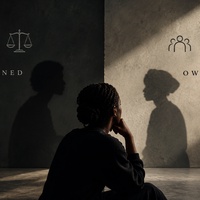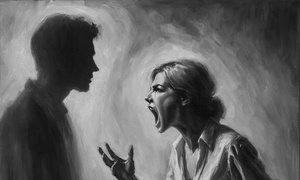
A perpetrator is quickly identified and always expected to take responsibility for his action. But, should accountability end with the person who committed the violence? Or, it should be extended to those who concealed, enabled, and defended it?
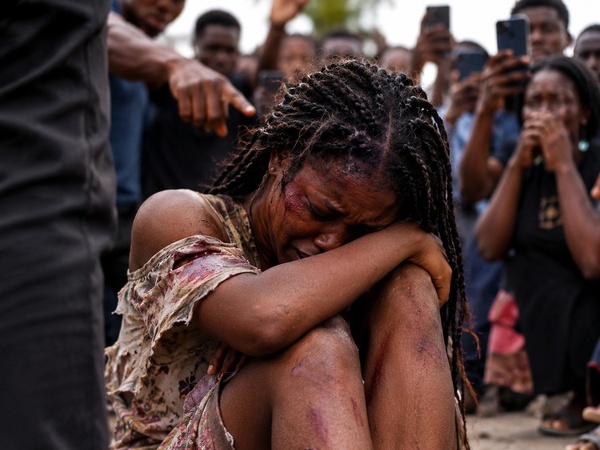
Now look at the incident that happened in ozoro, Delta state. There are a lot of people there and not just the people who harassed those girls. There were people actively participating and encouraging the perpetrators, there were others that are busy recording, while I'm so sure that, there were others afraid to confront the perpetrator and, they said it was their culture.
That made me ask, does culture or tradition now justify violence or deprive people of their dignity?
Tradition may explain why a practice exists, but its existence does not automatically justify it.
I know it is good to respect our culture but, that does not mean the culture should bring up questionable practices and justify it because, it has been existing.
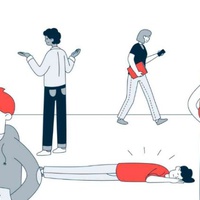
And, to the people who were present at the scene and were busy recording and making videos. that's one problem affecting the country in general.
Recording people's suffering in the name of awareness instead of seeking help. They now use camera as a tool for humiliation. The problem isn't simply the camera. It's the decision to prioritize capturing someone's suffering over their safety, and the decision to circulate that suffering without considering their dignity or consent.
And, there is a big difference between those who are active on the scene but genuinely afraid or unable to intervene.
And those who can seek help safely but choose not to are the people who actively encourage violence against women and make the perpetrators feel like there's no consequences for their actions.
People can condemn injustice when it involves strangers, but their principles may change when the offender is someone they love.
Now, think about this:
If the victim is your family member, will you protect the perpetrator? And if the perpetrator is your family member, will you silence the victim?
You hear things like "na family matter" so, family now allow violence against women? A family that silences a victim or survivor to preserve it's reputation, a leader who covers up violence to maintain influence, and an authority who refuses to investigate are not staying out of the matter. Their actions can make the offender feel like he can escape the consequences of his actions.
And I feel justice and accountability isn't necessarily identical punishment for everybody. It should depend on what the person did, what role they played, whether they obstructed justice, whether they enabled the abuse, and the nature of their conduct.
The perpetrator and the people who concealed it shouldn't automatically carry the same blame but, should be held responsible where appropriate.
The survivor should be able to report without intimidation and shame and, their privacy should be respected not displayed in the public.
The community should stop treating silence as a virtue when it protects wrongdoings.
When violence is excused repeatedly, a society cannot claim innocence.
When we silence survivors and protect those responsible then, we are creating an environment in which accountability and justice become optional. The perpetrators must face the consequences but, those who deliberately protect them from justice should not be exempt from accountability.
When a society keeps making excuses for wrongdoings, what does that teach the next perpetrator?
Enough of violence against women.



 59