Score |
28


Goodyboy/Joe
 tailor @ lagos, nigeria
tailor @ lagos, nigeria



Changing the world
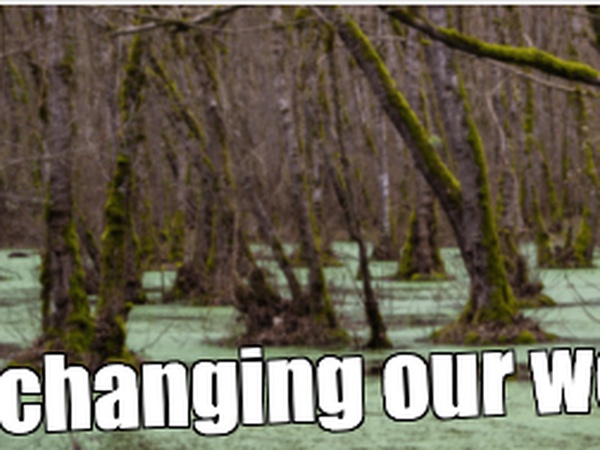
<p><br/></p><p><br/></p><p>The world does not need another generation that simply watches problems grow. It needs people who are willing to notice, speak, act, and refuse to accept that “this is how things have always been.”</p><p><br/></p><p>Every day, we hear about problems that seem too large for ordinary people to solve: poverty, pollution, unemployment, conflict, hunger, inequality, and climate change. Because these problems are so enormous, it is easy to believe that changing the world is the responsibility of presidents, scientists, organisations, or billionaires. But history has repeatedly shown that change can begin with ordinary people who decide that something must be different.</p><p><br/></p><p>One urgent problem we must confront is environmental destruction.</p><p><br/></p><p>Our rivers are polluted with waste. Plastic fills streets and drainage channels. Trees are cut down without enough being planted to replace them. When rain comes, blocked drains can turn roads into rivers, destroying homes and disrupting lives. Environmental damage is not simply an issue for future generations. It is already affecting communities today.</p><p><br/></p><p>We need to reduce unnecessary waste, protect forests and waterways, improve waste collection, and teach environmental responsibility from an early age. Governments have an important role, but citizens do too. A person who refuses to throw rubbish into a drainage channel has already made a small contribution to a larger solution.</p><p><br/></p><p>Another problem demanding urgent attention is education.</p><p><br/></p><p>Education should not depend entirely on where a child is born or how much money their family has. Yet many children still struggle to access quality learning, books, technology, safe classrooms, or trained teachers. Education is more than preparation for examinations. It gives people the ability to think, question, create, and participate meaningfully in society.</p><p><br/></p><p>We should invest in schools, support teachers, expand access to digital learning, and make practical skills part of education. A child should not have to abandon a dream simply because opportunity was unavailable.</p><p><br/></p><p>We must also address poverty and hunger.</p><p><br/></p><p>It is difficult to tell someone to dream big when they are worried about their next meal. Poverty can limit education, healthcare, employment, and countless opportunities. Solving it requires more than temporary assistance. We need job creation, skills development, support for small businesses, better agricultural systems, and policies that give people genuine opportunities to become economically independent.</p><p><br/></p><p>Finally, we must fight the growing culture of indifference.</p><p><br/></p><p>Sometimes, the greatest problem is not that people do not know what is wrong. It is that they know and choose not to care.</p><p><br/></p><p>We cannot solve every problem at once. But we can choose one problem and begin.</p><p><br/></p><p>We can plant instead of destroy. We can educate instead of discourage. We can share instead of waste. We can speak when others are silenced. We can use technology to connect people to solutions rather than simply consume entertainment.</p><p><br/></p><p>Changing the world does not always begin with a crowd.</p><p><br/></p><p>Sometimes, it begins with one person asking a simple question:</p><p><br/></p><p>“What can I do differently today?”</p><p><br/></p><p>The future is not something we are merely waiting to inherit. We are building it through the choices we make now.</p><p><br/></p><p>So let us stop waiting for someone else to change the world.</p><p><br/></p><p>The problems are urgent. The opportunity is ours. And the time to begin is now.</p>


 3
3


Other insights from Goodyboy/Joe









Contributor Points
Points-to-Coupons

Referral Earning

Insights for you.


Day 2: September 10th
A tiny disclaimer before we begin: I was actually supposed to post this last night, but...
109 views
20 upvotes
20 comments


The cost of misandry
We are living through a quiet but corrosive crisis—one that rarely makes headlines, ye...
437 views
12 upvotes
14 comments


Mary
Long hallwayLow lightLate afternoonHolding its breathToo tightMachines murmuredMonitors...
326 views
22 upvotes
17 comments

The Only One Who Stayed
Oh Mummy, my Mummy-o,My champion with the tickly toes and the super-strong hug,I’m twen...
292 views
19 upvotes
16 comments
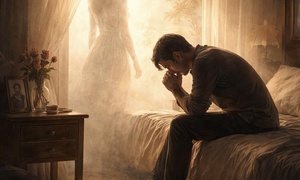
The shape of her absence
Tuesday afternoon arrived with heat heavy enough to slow the streets. The sun clung stu...
343 views
15 upvotes
14 comments

The Last Light I Carry
with every heartbeat i have lefti will defend your every breathcarve shelter out of the...
332 views
7 upvotes
11 comments

The Aftertaste
It always starts the same way—that slow, nauseating twist in my gut,like my body knows ...
397 views
14 upvotes
13 comments

A Lifetime Spent Bleeding Quietly
Love does not arrive gently.It takes.It learns the shape of my chestand leaves its teet...
386 views
13 upvotes
13 comments
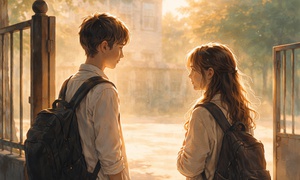
At the school gate
Morning motionMetal gateMuted stepsWe were alwaysRunning lateSame streetSilent staresI ...
322 views
14 upvotes
14 comments
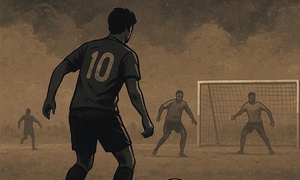
The Concept of life
Life feels like a ninety-minute football match with no extra time, no penalties, no do-...
342 views
13 upvotes
11 comments