Score |
9


Ann Jasmine Tumininu
 Student..... Content writer @ University of Abuja
Student..... Content writer @ University of Abuja



Fake smile: Hidden Storm
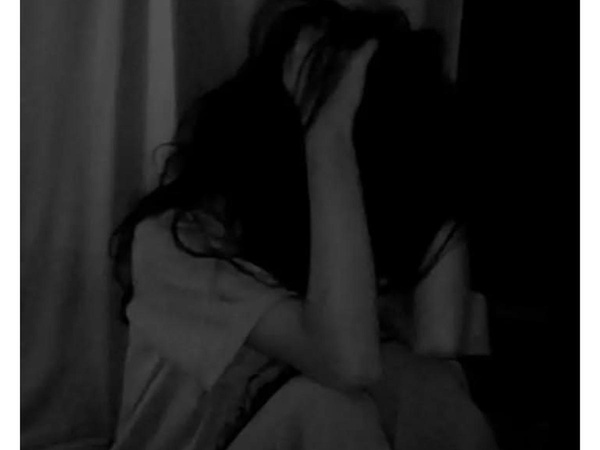
<p><br/></p><p><br/></p><p>Communication, they said, was one of the keys to resolving misunderstandings. Bottling things up was something we were always warned against.</p><p><br/></p><p>It was communication you tried when you were hurt by a friend’s comment in a group, but you were told to “chill” and stop overreacting. You replayed the scene for days, wondering whether you had made too much of it.</p><p><br/></p><p>Matters often arose during family discussions, and whenever you voiced your feelings, you were shunned or misunderstood. Afterwards, you kept wondering whether you were truly at fault.</p><p><br/></p><p>You poured your heart out to one or two trusted people, only to hear replies like, “You should be grateful, because someone out there has it worse than you,” followed by the dismissive, “You’ll be fine.”</p><p><br/></p><p>You began to ask yourself: Should you be happy because someone, somewhere, was suffering more than you? Did their pain cancel yours?</p><p><br/></p><p>All you wanted was to be seen, heard, and understood. Was that too much to ask?</p><p><br/></p><p>And so, when the lights went out at night, you stayed awake with the stars, crying. You listened to sad playlists at full volume through your headphones and felt a little relieved. You told yourself that maybe music was better than people.</p><p><br/></p><p>So you went where many of us go: TikTok.</p><p><br/></p><p>You typed in the search bar, or simply scrolled through your For You page, and suddenly a video or post touched something deep inside you. It said exactly what you felt. For a minute or two, after liking and replaying the post and checking similar ones, you finally felt seen.</p><p><br/></p><p>“This is it,” you had told yourself as one or two tears of joy rolled down your cheeks.</p><p><br/></p><p>But you soon noticed that every time you opened TikTok, your For You page showed you the same things: sad quotes, sad confessions, and stories of pain.</p><p><br/></p><p>One day, as if waking from a slumber, you began asking yourself why your life had to be filled with tears, pain, and sorrow. As you scrolled through the sad videos that once made you feel less alone, you looked at the number of likes on each post and began to wonder:</p><p><br/></p><p>Were these creators posting because they were truly going through those experiences, or because they wanted to grow their accounts? Was sadness simply attracting more views?</p><p><br/></p><p>Was your pain now someone else’s content strategy?</p><p><br/></p><p>Refusing to be used or taken advantage of, you changed your For You page. You started watching funny videos and posts instead. You would come online, post a funny meme on your WhatsApp status, and go offline.</p><p><br/></p><p>Soon, your contacts began describing you as “funny,” a “meme lover,” or the “meme lord.” You often smiled at their comments, knowing they had no idea how much your heart was hurting.</p><p><br/></p><p>You knelt on the floor, shedding silent tears, whispering prayers, and pleading with God. But after several attempts with no visible change, you began to think that maybe He was not listening. Perhaps He was too busy answering those who were more righteous than you.</p><p><br/></p><p>Eventually, you gave up.</p><p><br/></p><p>You thought that if you pretended to be happy, you would eventually become happy. So you tried. You switched your sad playlists for lively ones, and although you temporarily forgot your worries as you danced to the music, the moment it ended, your painful reality returned.</p><p><br/></p><p>It pressed against your chest and reminded you that you had not truly healed. You told yourself you were coping, but deep down, you felt even more empty.</p><p><br/></p><p>You noticed that you were becoming more miserable. Once, while scrolling online, you laughed at a funny skit. Then you realised that the sound coming from your lips could hardly be called laughter.</p><p><br/></p><p>It sounded more like the whimper of a wounded soul.</p><p><br/></p><p>You became hesitant to post how you felt online because you did not want people to think you were only seeking attention.</p><p><br/></p><p>You tried confiding in someone. You typed a long message explaining how you felt, but then you started thinking:</p><p><br/></p><p>What if the person was busy? What if you became an inconvenience? Everyone was probably dealing with their own problems, you thought.</p><p><br/></p><p>So you deleted the message.</p><p><br/></p><p>You wanted to express yourself, so you typed it again. But what if you ended up staring at two ticks for days? What if you were ignored?</p><p><br/></p><p>The last thing you wanted was to feel like a burden.</p><p><br/></p><p>So you gradually detached from everything and everyone.</p><p><br/></p><p>Then, if someone reached out unexpectedly and asked whether you were okay, you said yes. If they were not convinced and asked again, “Are you really okay?” you scoffed bitterly.</p><p><br/></p><p>What solution could they possibly offer?</p><p><br/></p><p>Deep down, you wanted to open up. But what if you were misunderstood? What if you were told you were overreacting? What if your problems were dismissed because someone else had it worse?</p><p><br/></p><p>So instead of explaining your worries, you smiled-a smile that did not reach the corners of your mouth, let alone your eyes,and replied:</p><p><br/></p><p>“Yes, I’m fine.”</p><p><br/></p><p>So, is posting your mental-health story online an act of courage that breaks stigma, or does the internet turn our pain into content?</p><p><br/></p><p>For me, it can be both.</p><p><br/></p><p>It was courage when I saw a sad post that captured exactly what I felt. It broke the belief that I was alone. For two minutes, a real voice made me feel heard. That, to me, was real change.</p><p><br/></p><p>But pain becomes content when people exploit our emotions for likes, followers, and visibility. It becomes content when sadness is valued more for its engagement than for the person experiencing it.</p><p><br/></p><p>Lived experiences can create real change,but only if we listen to understand, not merely to say, “You’ll be fine.”</p><p><br/></p>
Competition entry
|
WORLD MENTAL HEALTH DAY: REAL VOICES, REAL CHANGE - SHOULD WE SHARE OUR STORIES?


 2
2


Other insights from Ann Jasmine Tumininu










Contributor Points

Points-to-Coupons

Referral Earning

Insights for you.



Silence: The things we don't say.🥺
I walked out of my house, shutting the door behind me, and moved to the terrace.I neede...
254 views
60 upvotes
64 comments
Suicide: The Permanent Solution.
“Did you regret it?”“You know…”I hesitated.“What happened?”A heavy sigh was the first r...
269 views
51 upvotes
54 comments

Suicide: The Nigerian perspective.
As we all know, this month, September is Suicide Prevention Month.Today, I'll be talkin...
167 views
46 upvotes
66 comments


2 a.m.
Maybe it's all the nights I spent not sleepingOr all the days I sat thinkingOf how I've...
270 views
52 upvotes
50 comments

Yours in the Empty
Losing a father is one thing,Losing a best friend is another.Losing the "head" is one t...
418 views
60 upvotes
44 comments

I’m Skinny, and So What?
What if I told you that I have cried more over my own arms than over any guy who has ev...
237 views
49 upvotes
51 comments


Shocking Generosity.
Dear Mr. Smith,Good afternoon, sir. I hope this letter meets you well.I write to profus...
136 views
46 upvotes
43 comments


After Alhaji
"Kai, yarinyar nan ta yi sa'a ƙwarai.""Wallahi. Alhaji Ibrahim da kansa zai aura ta.""T...
292 views
37 upvotes
44 comments


One step forward, Three steps back
I'm tired...But not for the reason you're thinking How much more must life take?How muc...
448 views
51 upvotes
41 comments