It's Racism, But We Call It Culture.
There's something rather ironic about how we, as Black people, have managed to inherit certain colonial ideologies and somehow convince ourselves that they're simply part of our culture.
Think about it.
Why is natural Black coily hair is still treated as something that needs to be tamed, hidden, relaxed or completely shaved off to meet certain standards of neatness and professionalism? Why do we sometimes associate our natural features with being unkempt, unattractive or inappropriate? At what point did the hair growing naturally from our heads become something we needed to apologize for?
And then there's our traditional practices.
It's interesting how certain African cultural practices, objects and traditions are dismissed as demonic, primitive or uncivilized when practiced by Africans, yet somehow become fascinating historical relics, valuable artefacts and objects of academic interest when displayed in foreign museums.
It's,The same objects.
The same history.
But it's always a completely different reception depending on who's presenting them.
Then there's colourism. Our rather uncomfortable obsession with lighter skin. The casual preference for fairer complexions, the constant association of light skin with beauty, and the way darker skin is sometimes treated as something less desirable. We've normalized it so much that questioning it can get you accused of being dramatic.
I'm a light skinned girl. Well caramel but I've always loved the deep beauty with darker toned people blessed with rich thick melanin.
Yet for some reason, those people are made to hate their skin, made to bleach it and detest something that's has been gifted to them and is a key to their survival.
Why?
But perhaps one of the more uncomfortable things to discuss is how we sometimes treat mixed-race or non-African children differently from our own.
The preferential treatment, the fascination, the assumption that they're somehow more beautiful, more interesting or more deserving of attention simply because they have a non-African parent or features associated with another race.
I used to think that way.
I thought I was ugly
That if my hair grew long, straighter and towards the earth rather than the sky.
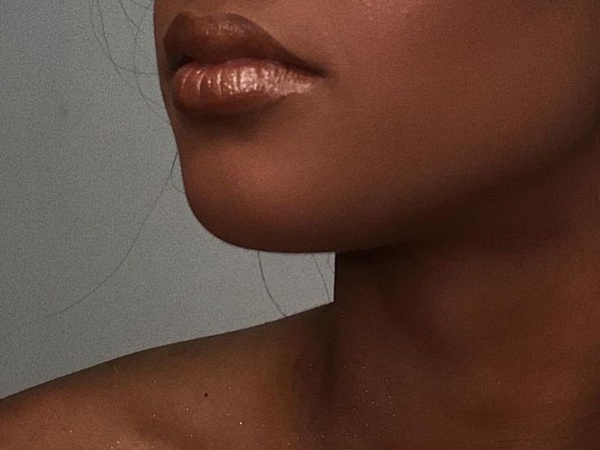
That if my lips weren't so plump.
That if my lips, palms and the soles of my feet weren't differently shaded, then I'd be beautiful.
I soon grew to realize the beauty in me.
The beauty that was shrouded by racism.
The beauty that was hidden from colonialism and the rubbish they brought to us.
The beauty that was covered by their jealous.
I mean just imagine, who in their right mind would hate an entire race of people to the point of enslaving, killing, torturing them, just because of their skin color.
Just...
Imagine being treated as ordinary in your own home while someone else is treated as extraordinary for possessing features that society has taught you to admire over your own. And the worst part? That same admiration and preferential treatment might not be extended to you if you were the one in a foreign environment.
Now, appreciating other cultures, having personal preferences or taking an interest in foreign traditions isn't inherently wrong. The issue is the hierarchy we have created around them.
Why is one culture considered sophisticated while another is primitive? Why is one person's natural appearance celebrated while another's is criticized? Why do we sometimes need foreign validation before we can recognize the value of something that has always belonged to us?
Colonialism didn't just take our resources, land and political independence. It also influenced how we understood beauty, intelligence, civilisation and even our own identities.
And although colonial rule ended, some of those standards remained. They've been passed down through generations, reinforced by media, institutions, religion and everyday interactions until many of us no longer recognize them for what they are.
We've given them different names. Preference. Tradition. Beauty standards. Professionalism. Modernisation.
But perhaps we should start asking ourselves where these standards originated and who they were designed to favour.
Because you cannot genuinely celebrate African identity while constantly treating African features, traditions and expressions as things that need to be corrected.
Sometimes, prejudice doesn't announce itself. Sometimes, it hides behind cultural expectations, harmless preferences and things we've simply grown accustomed to.
And sometimes, it's racism, but we've become so comfortable with it that we call it culture.


 11