When the mind becomes a storm, should the hands that acted in that storm be freed from the weight of what they did?
That is the question the Lindsay Clancy case leaves on my table.
I have always believed that actions should have consequences.
But this case forced me to look at that belief again.
Not because the lives lost matter less.
But because the mind behind the act matters too.
Clancy killed her three children.
Cora.
Dawson.
Callan.
Three names.
Three lives.
Three futures that will never rose again.
And no discussion about mental illness should make those lives fade into the background.
Postpartum psychosis is real.
It is serious.
It can bring hallucinations, delusions and a frightening break from reality.
Sometimes, the mind becomes a battlefield, and the person fighting inside it may no longer see the world as we do.
That deserves compassion.
That deserves treatment.
That deserves urgent medical attention.
But here is where I stand:
Understanding an illness is not the same as excusing an action.
A diagnosis can explain a person's condition.
It does not automatically answer the question of responsibility.
So I ask:
Was Lindsay Clancy mentally ill?
Perhaps.
But that is not the only question.
The harder question is:
Did that illness completely destroy her ability to understand what she was doing and the consequences of doing it?
That distinction matters.
Because mental illness and criminal responsibility are not always two sides of the same coin.
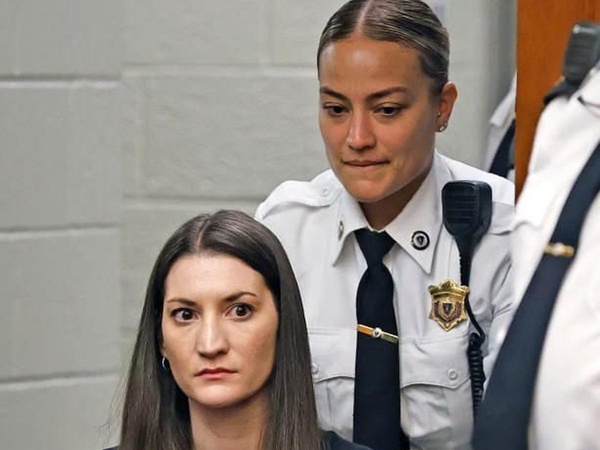
During the trial, prosecutors argued that Clancy's actions showed planning and that she understood the wrongfulness of killing her children.
Her defense argued that postpartum psychosis had taken away the understanding required for criminal responsibility.
The jury could not reach a unanimous decision.
Eleven jurors reportedly believed she was not criminally responsible.
One disagreed.
The result was a mistrial.
And perhaps that disagreement tells us something important.
Justice is sometimes found in the uncomfortable questions.
Not in the easy answers.
I don't believe accountability should disappear simply because a medical explanation exists.
If illness explains the darkness, we should study the darkness.
If treatment can prevent another tragedy, we should pursue treatment.
But if the evidence shows that a person understood the nature and wrongfulness of what they were doing, then accountability should match forward.
A person can be sick and still be responsible.
A person can need treatment and still face consequences.
A person can deserve compassion while the victims deserve justice.
These truths can exist in the same room.
For me, the three children must remain at the centre of this conversation.
They cannot speak now.
They cannot tell us what they felt.
They cannot tell us what they wanted.
They cannot ask for another chance at life.
So we must not allow their silence to become invisibility.
Their mother's illness deserves to be understood.
But their lives deserve to matter just as much.
Mental illness should not become a curtain that hides the victims.
And accountability should not become a weapon against the mentally ill.
There must be a line.
A line between understanding and excusing.
A line between compassion and surrendering responsibility.
A line between treating a troubled mind and forgetting the lives that mind affected.
For me, justice must stand on both sides of that line.
If the evidence establishes that Lindsay Clancy understood what she was doing and understood its wrongfulness, then she should be held accountable.
Not because her illness does not matter.
But because three children's lives matter too.
An explanation may tell us why something happened.
But it does not automatically tell us who should answer for it.
And that is where I stand.
Let us understand the illness.
Let us provide treatment.
But where responsibility remains, let accountability remain too.



 133