A Reflection On The Battles People Hide
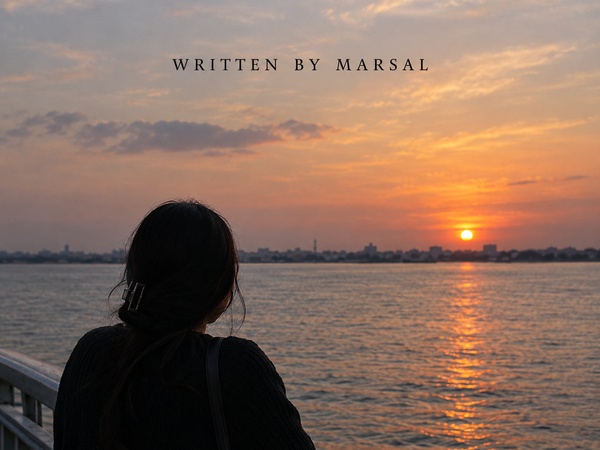
It was evening, just after I closed from work. I was walking across the bridge, with the water stretching endlessly beneath me, when I saw her.
She stood quietly at the edge of the bridge, staring into the water as though she had been having a conversation with it for a very long time.
There was something about the way she stood that made me slow my steps.
I didn't know her.
I didn't know her name.
I didn't know what she had been through.
People walked past. Cars moved. The world continued as though nothing was wrong.
But she remained there alone.
Then, in a moment I still struggle to understand, she jumped into the river.
Everything happened so quickly. People screamed. Some ran toward the water. Others stood frozen, but I couldn't move.
I kept staring at the place where she had disappeared, and one question kept repeating in my mind:
What happened to her?
What could life have done to someone to make death seem more peaceful than another morning?
Had she been pretending to be okay for months?
Was she drowning in debt?
Had someone broken her heart?
Had she lost someone she loved?
Had her dreams failed her too many times?
Or had she simply become tired of fighting?
We may never know.
And perhaps that is the frightening part.
We see people every day, but rarely see what life is doing to them.
We see the woman selling by the roadside, but not the bills waiting at home.
We see the man going to work every morning, but not the burden he carries.
We see the student smiling with friends, but not the fear keeping her awake at night.
Sometimes, “I'm fine” is the shortest sentence someone can use to hide a very long story.
Life can be cruel. You can work hard and still fail. Love deeply and still lose someone. Try again and still be disappointed.
And sometimes, a person doesn't necessarily want life to end.
Maybe they just want the pain to end.
The bills.
The loneliness.
The disappointment.
The feeling of never being enough.
Maybe what they are searching for is not death, but relief.
That thought changed something in me.
It reminded me to be gentler with people. We don't always know what someone is surviving.
The person who suddenly became distant may be hurting.
The person who stopped trying may have tried more times than we know.
And somewhere among us, someone may be standing at the edge of their own river, not a physical one, but a place where hope is becoming difficult to find.
Maybe they don't need judgment.
Maybe they need someone to notice.
Someone to listen.
Someone to remind them that one terrible chapter does not have to become the final page.
I looked at the river again that evening and couldn't stop thinking about her.
Not only about how she died, but about how she must have lived before that moment.
Because perhaps the question isn't simply: “Why did she give up?”
Perhaps we should also ask: “How long had she been trying to hold on?”


 121