I think we are more comfortable saying “I hate manipulation” than admitting what we actually mean.
Because if you are perceptive enough, you eventually notice that almost every social interaction contains some degree of influence.
The way someone chooses their words.
What they leave unsaid.
When they give you attention.
When they withdraw it.
The expression they make when they know you are about to say yes.
We call some of this communication.
Some of it persuasion.
Some of it seduction.
And when it hurts us, we call it manipulation.
But what happens when you notice the manipulation and like it?
What happens when you can see exactly what someone is doing, understand why they're doing it, and still lean closer?
Suddenly, the morality of it becomes less convenient.
Maybe you don't actually hate being manipulated.
Maybe you hate being manipulated against your will.
There is a strange intimacy in being understood well enough for someone to know exactly which part of you to touch.
The right sentence.
The right silence.
The right amount of distance.
The carefully timed affection that makes you feel chosen rather than persuaded.
And if they have studied you carefully enough, you may even appreciate the intelligence behind it.
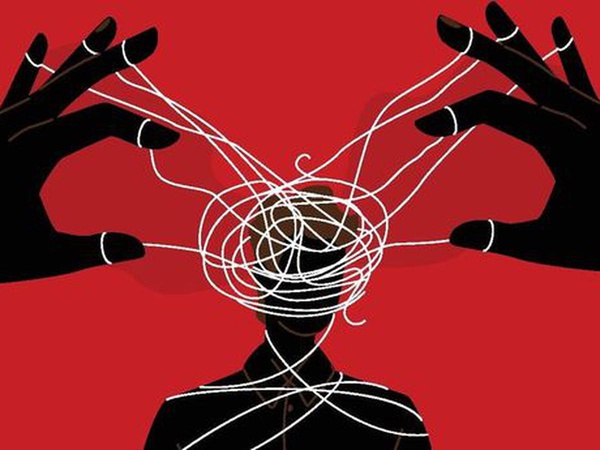
You notice the architecture of the interaction.
You see the machinery.
And somehow, knowing there is machinery doesn't always make the experience less beautiful.
Sometimes it makes it more beautiful.
Because there is a difference between being deceived and willingly participating in an illusion.
We do this constantly.
We watch films knowing they are fictional.
We listen to music knowing someone deliberately constructed an emotion.
We fall in love with people knowing they are presenting us with a version of themselves.
We don't always demand untouched reality.
Sometimes we want the illusion because we like what it allows us to feel.
Perhaps relationships aren't as pure as we pretend.
Perhaps a little manipulation is inevitable whenever two people learn each other's weaknesses, desires, insecurities and needs.
The real question may not be:
“Are you manipulating me?”
It might be:
“What are you doing with the knowledge you have about me?”
Because there is a profound difference between knowing where someone is vulnerable and using that vulnerability to control them...
and knowing where they are vulnerable and choosing to handle it gently.
Both require understanding.
Only one requires care.
And maybe that's the uncomfortable truth:
The opposite of manipulation isn't influence.
It's not even honesty.
The opposite of manipulation might simply be respect.
Because you can influence someone without violating their agency.
You can understand someone without exploiting what you understand.
And you can even seduce someone without needing them to remain unaware of what you're doing.
Maybe what makes manipulation sinister isn't that someone knows how to move you.
It's that they want to move you without letting you know they are moving you.
And perhaps that's why the most dangerous person is the one who can read you perfectly and decides your vulnerabilities are theirs to use.


 140