There are nights
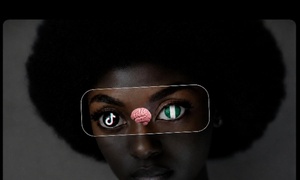
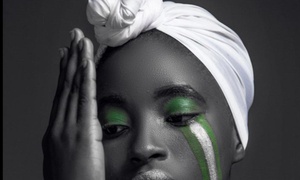
I want to be Nigerian so badly
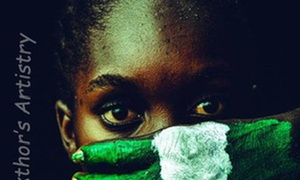
I could wear the flag beneath my skin.
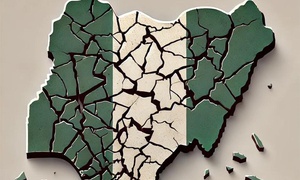
Not the Nigeria they put in newspapers.
Not the one they reduce to elections,
corruption,
blackouts,
and another road collapsing somewhere.
I mean the one that taught me
how to make a celebration
out of almost nothing.
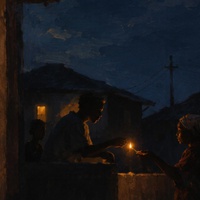
The one that could lose electricity
and somehow find light in a story.
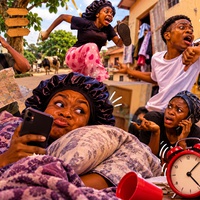
The one where children once chased each other
through moonlit compounds,
where neighbours knew your name
before they knew your surname,
where somebody's mother
could shout your full name from three streets away
and somehow,
you heard her.
I miss a Nigeria
I am not even sure I am old enough
to remember properly.
Maybe that is what we do.
We inherit memories
we never lived.
We inherit songs,
languages,
recipes,
clothes,
names,
and the stubborn belief
that somewhere beneath all this noise
there is a country worth loving.
And God,
how we love loudly.
We carry our music across oceans.
A boy from Lagos
can make an arena in London
sing words born from a street
that London has never seen.
A Nigerian doctor
can walk into a foreign hospital
and save a life.
A tailor can sit beneath a weak bulb
and make something beautiful enough
to cross an ocean.
Our mothers sell beneath the sun.
Our fathers build with tired hands.
Our students study through darkness
and still submit assignments
before the deadline.
We are strange like that.
We complain about the country
in the morning
and defend her before foreigners by evening.
We say,
“Nigeria is finished.”
Then somebody succeeds abroad
and suddenly
“That is my person.”
My country.
My blood.
My own.
Perhaps patriotism is not always
the clean thing they teach you in school.
Perhaps sometimes
it is loving something
with your eyes open.
Because I have seen the potholes.
I have watched generators become
the soundtrack of childhood.
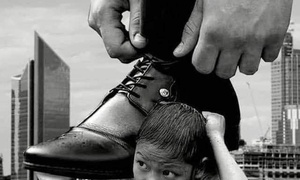
I have watched people leave
with their lives compressed
into two suitcases.
I have watched talented people
become experts at surviving
when they should have been
building.
I know.
I know why they leave.
I know why some of us
dream of passports
before we dream of houses.
I know why “Japa”
became more than slang.
It became a prayer.
And still
put me in a room
where the Nigerian anthem begins.
Watch me.
Something in me changes.
The room disappears.
The arguments disappear.
The politicians disappear.
For a moment,
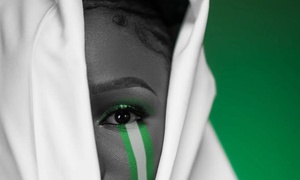
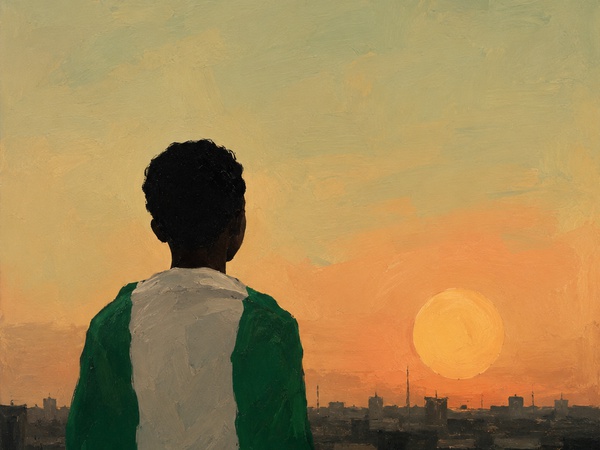
there is only that green,
that white,
that green
and a strange little boy
who once believed
the world was bigger than his street
but somehow
his street was still worth loving.
Maybe that is the urge.
To walk into foreign rooms
without shrinking my name.
To wear the fabric
they once called ordinary
until somebody calls it beautiful.
To speak my language
without translating my pride.
To carry the rhythm of home
into places that never knew
we had one.
Because before the world
learned to pronounce our names,
we were already here.
Before they discovered our music,
we were dancing.
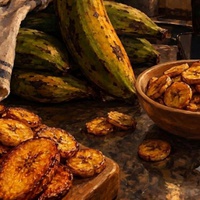
Before they discovered our food,
we were feeding ourselves.
Before they discovered our cocoa,
we were growing it.
Before they discovered our oil,
we were living above it.
Before they called our creativity
a global phenomenon,
we were creating
because creating was how we survived.
And maybe that is what I want.
Not a perfect Nigeria.
I don't want to lie about the darkness
just to prove there is light.
I want the darkness gone.
I want the roads fixed.
The lights on.
The classrooms full.
The hospitals breathing.
The young to stop treating departure
as their greatest achievement.
I want a country
that doesn't force its children
to become successful elsewhere
before it believes in them.
But until then
I will still carry her.
Not because she has earned
every ounce of my love.
But because somehow,
through all the disappointment,
she put something in me
that refuses to die.
A rhythm.
A stubbornness.
A certain audacity
that makes me look at the world
and say,
you have no idea
who you are dealing with.
So call us third world.
Call us corrupt.
Call us whatever makes
your statistics comfortable.
I know what I come from.
I come from people
who have learned to build
with broken things.
People who can turn hardship
into humour,
scarcity into invention,
and a borrowed microphone
into a stage.
I come from a place
that has broken my heart
more times than I can count—
and somehow,
I still hear its anthem
and want to stand.
That is the part
I cannot explain.
That is the part
I cannot cure.
That ridiculous,
beautiful,
unreasonable thing
the urge
to be Nigerian.


 155