At sixteen, he still believed the world had time for him.
He woke up that morning to the sound of his mother calling from the kitchen, the smell of fried eggs travelling through the house. Someone had already sent him a birthday message. Someone else had promised to visit.
Sixteen.
It sounded older when other people said it.
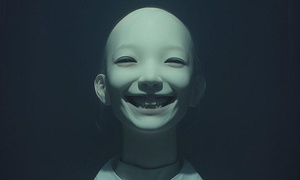
He stood in front of the mirror for a while, studying the face staring back at him.
Nothing had changed.
Same eyes. Same uneven smile. Same small scar above his eyebrow.
Yet somehow, everyone expected something different from him now.
“Be a man.”
“Think about your future.”
“Stop behaving like a child.”
He wondered when exactly a person was supposed to stop being a child.
Outside, the street was already awake.
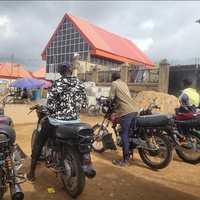
A bus conductor was shouting destinations. A woman was bargaining over tomatoes. Two boys in faded jerseys were arguing over a football. A motorcycle passed with a tired engine, carrying a man who probably had bills waiting for him somewhere.
Life had continued.
Even on his birthday.
He sat on the doorstep and watched everything move.
For some reason, he remembered himself at ten.
At ten, he thought sixteen was almost adulthood.
At twelve, he thought sixteen would make everything clearer.
At fourteen, he thought by sixteen he would finally know who he was.
Now he was sixteen.
And he knew almost nothing.
He didn't know what he wanted to become.
He didn't know which friends would still be around five years from now.
He didn't know whether the dreams he carried quietly would ever become real.
But he knew something else.
People were growing tired.
His mother hid hers behind smiles.
His father hid his behind silence.
The men on the motorcycles hid theirs behind the sound of their engines.
Even the old woman who sold bread at the corner seemed to carry a lifetime inside the way she counted change.
Maybe growing up wasn't becoming certain.
Maybe it was simply noticing things you were too young to notice before.
That evening, his friends came with a small cake.
They laughed.
Someone played music from a phone.
Someone smeared cream on his face.
For a few minutes, he forgot everything.
He was just sixteen.
Young enough to laugh without explaining why.
Old enough to wonder where all the years had gone.
Later, when everyone had left, he returned to the mirror.
The cake was gone.
The noise was gone.
The house was quiet again.
He looked at himself and smiled.
Not because he had figured life out.
But because, for the first time, he understood that he didn't have to.
Sixteen wasn't the beginning of knowing.
It was the age when you began noticing how much there was left to learn.
He turned off the light.
And somewhere between childhood and whatever came next, the boy who thought he had plenty of time quietly became someone who understood that time never really belonged to him.


 130