Score |
72


Abasienyene Offiong
 Student @ University of Uyo
Student @ University of Uyo



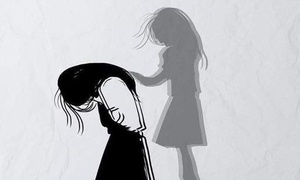
Someone's worst moment is not your entertainment.
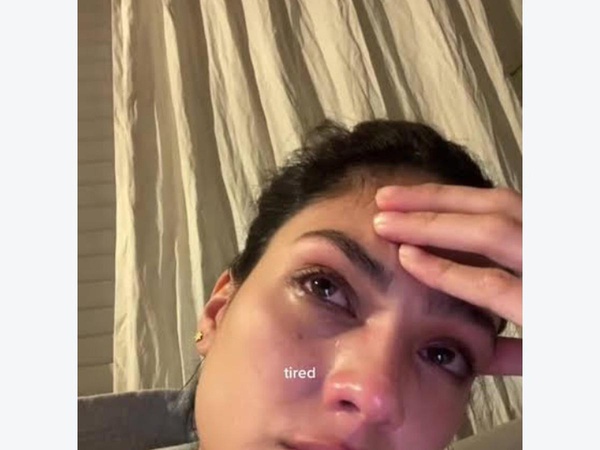
<p>WHEN PAIN BECOMES CONTENT, IS THE INTERNET REALLY LISTENING?</p><p><br/></p><p>It takes courage to tell your story. But what happens when the same people you hope will understand you turn your pain into entertainment?</p><p><br/></p><p>We often celebrate people who speak openly about their mental health struggles, we call them brave, we applaud their vulnerability. And Sometimes, one person's story gives another person the courage to keep going. Someone reads, "I went through this too, and I survived," and suddenly, their own situation doesn't feel so hopeless.</p><p>That is the beauty of sharing. One person's voice can become another person's lifeline.</p><p>But let's be honest, the internet doesn't always know how to handle a wounded heart.</p><p>Today, you share your pain hoping to be understood. Tomorrow, someone has turned it into gossip. Another person is questioning your choices. Someone else is asking what you did to deserve it. Before you know it, the story you shared to release your burden has become a public dedebate.</p><p>And the person behind the story? They are left to deal with the consequences.</p><p>This is why I believe we need to look beyond the courage it takes to speak and consider the well-being of the person speaking.</p><p>When someone is emotionally overwhelmed, they don't always need an audience. Sometimes, they need a listener. Someone who will check up on them, encourage them, and help them see their worth without making them feel stupid for the choices they made.</p><p><br/></p><p>Sometimes, the most helpful words aren't, "Why did you do that?" but, "I know things are difficult right now, but this isn't the end of your story."</p><p>There is a difference between correcting someone and crushing them. A person can learn from their mistakes without being made to feel worthless. They can be held accountable without being stripped of their dignity.</p><p>That is why I believe the internet shouldn't always be the first stop when we're hurting. Find a trusted friend. Talk to someone who can listen without turning your pain into a courtroom where you are both the accused and the defendant.</p><p>And no, this doesn't mean people should suffer in silence or wait until they've completely healed before asking for help. Seek help when you need it. Just remember that asking for help and making your pain public are not the same thing.</p><p>There is also value in sharing your story when you've had time to process your experience. You may be better able to separate useful criticism from cruelty, recognise the lessons you've learnt, and protect your peace when others don't see things your way.</p><p>Because the truth is, not everyone will understand you. Not everyone will support you. And not everyone who reads your story will handle it with compassion</p><p>Still, I admire those who speak. Their courage matters. Their voices matter. Their experiences matter. We need these conversations because silence and stigma can leave people feeling isolated in struggles they shouldn't have to face alone</p><p>But we must also learn to listen. We must stop treating vulnerability as an invitation to mock, judge, or entertain ourselves. Behind every post is a human being, not a headline, not a trend, and certainly not a tool for engagement.</p><p>And if you're reading this while fighting a battle you haven't told anyone about, please hear this: you don't have to tell the whole internet before your pain deserves attention. Find someone safe. Speak to someone you trust. You deserve support without humiliation.</p><p>Nothing is worth taking your life for. One painful chapter does not have to become the end of your story.</p><p>So, is sharing our mental health stories an act of courage, or does the internet turn our pain into content?</p><p>I believe it can be both. Sharing can break stigma, but careless audiences can turn vulnerability into spectacle. The answer isn't to silence those who are struggling. It's to build a world where speaking up doesn't mean surrendering your dignity.</p><p>Because perhaps the real question isn't just whether people are brave enough to tell their stories.</p><p>It's whether we are compassionate enough to hear them.</p>


 8
8


Other insights from Abasienyene Offiong












Contributor Points

Points-to-Coupons

Referral Earning

Insights for you.



Silence: The things we don't say.🥺
I walked out of my house, shutting the door behind me, and moved to the terrace.I neede...
254 views
60 upvotes
64 comments
Suicide: The Permanent Solution.
“Did you regret it?”“You know…”I hesitated.“What happened?”A heavy sigh was the first r...
269 views
51 upvotes
54 comments

Suicide: The Nigerian perspective.
As we all know, this month, September is Suicide Prevention Month.Today, I'll be talkin...
168 views
46 upvotes
66 comments


2 a.m.
Maybe it's all the nights I spent not sleepingOr all the days I sat thinkingOf how I've...
270 views
52 upvotes
50 comments

Yours in the Empty
Losing a father is one thing,Losing a best friend is another.Losing the "head" is one t...
418 views
60 upvotes
44 comments


I’m Skinny, and So What?
What if I told you that I have cried more over my own arms than over any guy who has ev...
237 views
49 upvotes
51 comments


Shocking Generosity.
Dear Mr. Smith,Good afternoon, sir. I hope this letter meets you well.I write to profus...
137 views
46 upvotes
43 comments


After Alhaji
"Kai, yarinyar nan ta yi sa'a ƙwarai.""Wallahi. Alhaji Ibrahim da kansa zai aura ta.""T...
292 views
37 upvotes
44 comments


One step forward, Three steps back
I'm tired...But not for the reason you're thinking How much more must life take?How muc...
448 views
51 upvotes
41 comments