Score |
1496


Ealo

 Freelancer @ Adekunle Ajasin University Akungba Akoko
Freelancer @ Adekunle Ajasin University Akungba Akoko



Suicide: The Nigerian perspective.
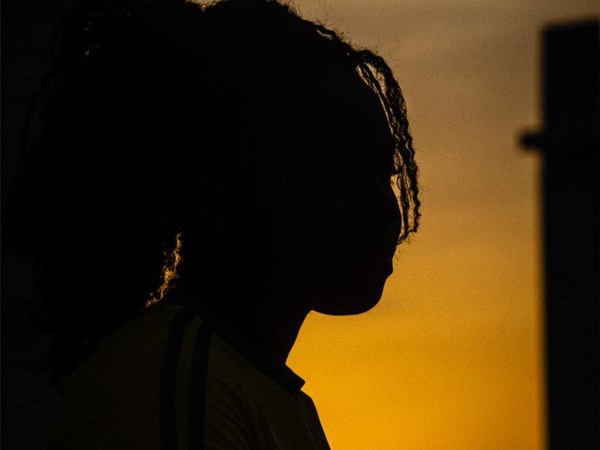
<p><strong>As we all know, this month, September is Suicide Prevention Month.</strong></p><p><strong><br/></strong></p><p><strong>Today, I'll be talking about suicide, but not in the way we usually do.</strong></p><p><br/></p><p>This time, it'll be somewhat different because we'll be focusing on Nigeria and, at some point, extending the conversation to Africa.</p><p><br/></p><p>I'm Nigerian, with typical African parents.</p><p>I'm not suicidal, but I've had moments.</p><p><br/></p><p>And I've had conversations with people who were, at some point, suicidal. They survived, and they're doing very fine now.</p><p><br/></p><p>For that, I'm very grateful.</p><p><br/></p><p>I've spent a considerable amount of time studying this topic and discussing it with different people with different perspectives, and honestly, the more I look into it, the more it keeps spiralling.</p><p><br/></p><p>But one major thing I've gathered from all that studying is what I'll be discussing in this insight.</p><p><br/></p><p>Suicide from a Nigerian perspective.</p><p><br/></p><p>The truth is, I've met people who said they don't believe suicide exists.</p><p>To them, it's possession of the devil that makes people think that way.</p><p><br/></p><p>Well, I'm a believer and a religious person, but I'll still disagree.</p><p><br/></p><p>I won't say religion itself is a contributing factor to why people see suicide this way.</p><p>I'll say religion has sometimes been interpreted in a way that makes people refuse to sit with their reality.</p><p><br/></p><p>Something happens, even if it's something they caused themselves, and somehow, there's a devil somewhere to blame.</p><p><br/></p><p>Don't get me wrong. I'm a believer.</p><p>But that doesn't mean I won't tell you the truth.</p><p><br/></p><p>Some things go wrong because they are supposed to be treated and handled with scrutiny and sensitivity, and they weren't.</p><p><br/></p><p>Then people refuse to take responsibility and blame the devil.</p><p><br/></p><p>And when it comes to suicide, that can become dangerous.</p><p><br/></p><p>Because if someone is already struggling mentally and the first explanation you give them is that they're possessed, you might make them feel even more misunderstood.</p><p>There are other ways to approach the subject.</p><p><br/></p><p>Some people say those who attempt or die by suicide are stupid.</p><p>Some call them cowards.</p><p><br/></p><p>I've spoken with people who have experienced suicidal thoughts, and I've heard and felt their pain.</p><p><br/></p><p>Sometimes, it's not that straightforward.</p><p><br/></p><p>You can't just look at someone in that state and reduce everything they're experiencing to cowardice.</p><p><br/></p><p>Suicidal thinking can happen when someone is dealing with an overwhelming amount of psychological pain and feels like they have no way out.</p><p><br/></p><p>It's not something we should romanticize as bravery either.</p><p><br/></p><p>It's much more complicated than that.</p><p><br/></p><p>Now, don't get me wrong or misinterpret what I'm saying.</p><p><br/></p><p>Follow me.</p><p>I'm getting somewhere.</p><p><br/></p><p>Some argue that suicide is a selfish act.</p><p>And some believe people do it specifically to punish the people around them.</p><p><br/></p><p>I mean, this is a difficult one, but I actually believe that can happen.</p><p><br/></p><p>I once heard a story about a girl who died by suicide because she wanted her family to live with the sadness and guilt of something they had done to her.</p><p><br/></p><p>The day I heard that story, I sat in my room thinking long and hard about it.</p><p>And sincerely, I was shocked.</p><p><br/></p><p>Because suddenly, I was looking at suicide from another angle.</p><p><br/></p><p>Not just as an escape from pain.</p><p><br/></p><p>But as something that, in some cases, can also be connected to anger, resentment, revenge, hopelessness, or the desire to make other people feel the pain you're carrying.</p><p><br/></p><p>And that raised another question for me:</p><p>What happens when the person who wants to end their own pain also wants someone else to feel it?</p><p><br/></p><p>Then there's another part of this conversation we don't talk about enough.</p><p><br/></p><p>African parenting.</p><p>African parenting can be toxic at times.</p><p><br/></p><p>I mean, imagine a young girl or guy in early puberty going through their first heartbreak.</p><p><br/></p><p>They finally gather the courage to approach their parents, and the first thing they hear is:</p><p><br/></p><p>"Why did you enter a relationship in the first place?"</p><p>Or worse hit the child for going against your rule to start with</p><p><br/></p><p>Now the child isn't just dealing with heartbreak anymore.</p><p><br/></p><p>They're also dealing with shame.</p><p>They're being told that their emotions are foolish.</p><p><br/></p><p>And eventually, they learn not to talk.</p><p>And that's the <strong>scary part.</strong></p><p><br/></p><p>Because many people don't stop having problems just because they stop talking about them.</p><p><br/></p><p>They simply become better at hiding them.</p><p><br/></p><p>And this is where the numbers become difficult to ignore.</p><p><br/></p><p>According to WHO estimates, Nigeria's age-standardized suicide mortality rate was 8.8 deaths per 100,000 people in 2021.</p><p><br/></p><p>Across the WHO African Region, the age-standardized suicide rate was about 11.5 deaths per 100,000.</p><p><br/></p><p>And depression is not some foreign problem either.</p><p><br/></p><p>And when it comes to depression, WHO estimates have previously put Nigeria at about 3.9% of the population, or more than 7 million people; although that estimate dates back to the 2015-era data and isn't a current 2026 figure.</p><p><br/></p><p>WHO's more recent regional figures estimate that about 55 million people across Africa live with depression.</p><p><br/></p><p>And I'm sure you're wondering, we don't see suicide like this in Nigeria</p><p>But maybe we don't see it as much because we don't talk about it as much.</p><p><br/></p><p>we don't see the people struggling because they've become very good at hiding it.</p><p><br/></p><p>I've met people who would rather die than admit they're depressed.</p><p>And I don't mean that figuratively.</p><p><br/></p><p>Many people are depressed.</p><p>Many are struggling.</p><p>Some are already threading the direction of suicidal thoughts.</p><p><br/></p><p>But they'll die before they ever admit it.</p><p><br/></p><p>Because admitting it means admitting that something is wrong.</p><p><br/></p><p>And in a society where vulnerability can be mistaken for weakness, sometimes silence feels safer.</p><p><br/></p><p>But silence doesn't make the problem disappear.</p><p>It only makes it harder to see.</p><p><br/></p><p>I think that's the conversation we actually need to have.</p><p><br/></p><p>Not just:</p><p><strong>"Why would someone kill themselves?"</strong></p><p><br/></p><p>But:</p><p><strong>"What happened before they got to that point?"</strong></p><p><br/></p><p>Who did they try to talk to?</p><p>What did they hear when they tried?</p><p>Did someone tell them to pray harder?</p><p>Did someone tell them they were possessed?</p><p>Did someone call them ungrateful?</p><p>Did someone tell them to stop being dramatic?</p><p><br/></p><p>Or did someone simply sit beside them and say,</p><p><br/></p><p>"Tell me what's wrong." Or "How can I help?"</p><p><br/></p><p>I don't think we can prevent suicide by only talking about the final act.</p><p><br/></p><p>We have to talk about everything that comes before it.</p><p><br/></p><p>Depression, loneliness, shame, being misunderstood, abuse, financial pressure, family pressure, things people are too afraid to say out loud.</p><p><br/></p><p>And most importantly, we have to create environments where people can actually say those things without immediately being judged.</p><p><br/></p><p>Because sometimes, the person you think is just being dramatic is actually screaming for help in the only language they know.</p><p><br/></p><p><br/></p><p>So this Suicide Prevention Month, maybe we should do more than tell people to "stay strong."</p><p><br/></p><p>Try becoming someone they don't have to pretend around.</p><p><br/></p><p>Someone who listen before judging.</p><p>Saving someone's life doesn't always begin with knowing exactly what to say.</p><p><br/></p><p>Sometimes, it begins with making sure they know they can say something at all.</p><p><br/></p><p>Because you never really know who is sitting beside you, smiling, laughing, going to work, posting on social media...</p><p><br/></p><p>and silently trying to convince themselves to make it through another day.</p><p><br/></p><p>So...</p><p><br/></p><p><strong>Please be kinder to people🫶</strong></p><p><strong>And try speaking up more when you're hurting...</strong></p><p><strong>Take care of your mental health🧡</strong></p><p><img src="/media/inline_insight_image/1003011110.jpg"/></p>


 168
168


Other insights from Ealo












Contributor Points

Points-to-Coupons

Referral Earning
Insights for you.


The Root of Evil.🌚
I like money.But they said it's the root of evil. 🙂Sorry, get your facts straight.The l...
286 views
77 upvotes
87 comments

The Manipulation.
"Mom started looking at me differently from that day.I remember it like the back of my ...
289 views
75 upvotes
90 comments




The 3AM World.
My favourite time of every day is between 1 a.m. and 4a.m.That's when the world is the ...
254 views
67 upvotes
72 comments
Your Mess has a Personality.
I know you probably don't know this, but what I'm about to tell you might actually blow...
269 views
65 upvotes
71 comments

Drowning.
I can't breathe.I tried again.Nothing.My lungs burned.The water surrounded me, cold and...
257 views
61 upvotes
72 comments
Silence: The things we don't say.🥺
I walked out of my house, shutting the door behind me, and moved to the terrace.I neede...
254 views
60 upvotes
64 comments

Eden.
I came to this house very young, with one other.We were accepted so warmly.Everyone lov...
235 views
56 upvotes
66 comments