Africa, Uncovered — Episode 1
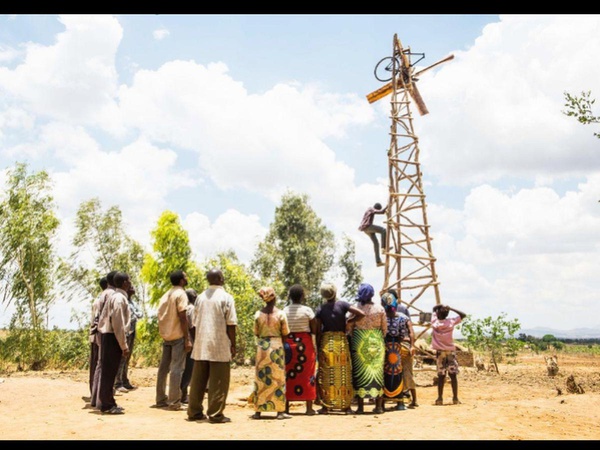
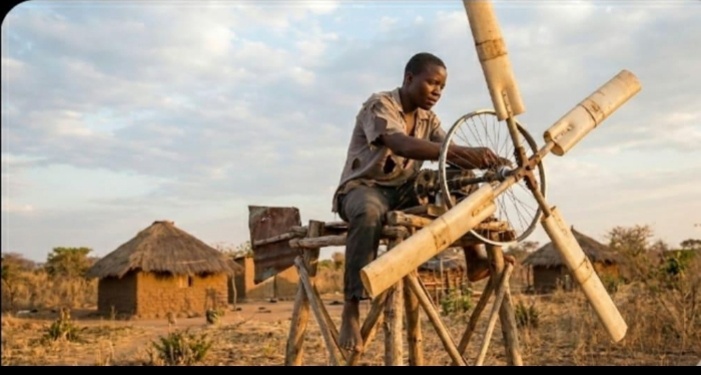
In Malawi, a teenage boy once built a windmill from materials that other people might have thrown away.
He was not working in a university laboratory. He did not have a conventional engineering workshop. And he had not completed secondary school.
Yet, somehow, he found a way to generate electricity for his family's home.
His name was William Kamkwamba.
But how does a boy who cannot afford to remain in school learn to build a machine capable of producing electricity?
To understand that, we have to go back to the beginning of his story.
When School Became Unaffordable
William grew up in Malawi, where his family depended on farming. During the severe food crisis of 2001–2002, his family experienced serious financial hardship.
He could no longer afford the fees required to continue his secondary education, so he had to leave school.
For many students, losing access to school means losing access to the resources that make learning possible. Teachers, textbooks, laboratories, and structured lessons become harder to reach.
William's education had been interrupted, but his curiosity remained.
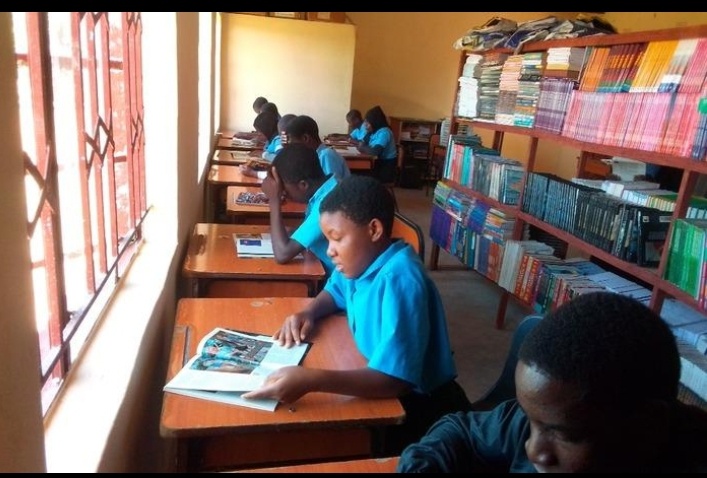
He began visiting a local library, where he studied science books. One book, Using Energy, would become particularly important to his journey.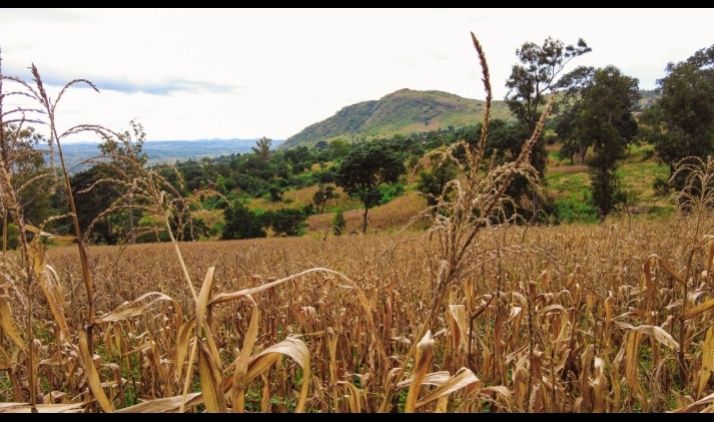
....
A Book Called Using Energy.
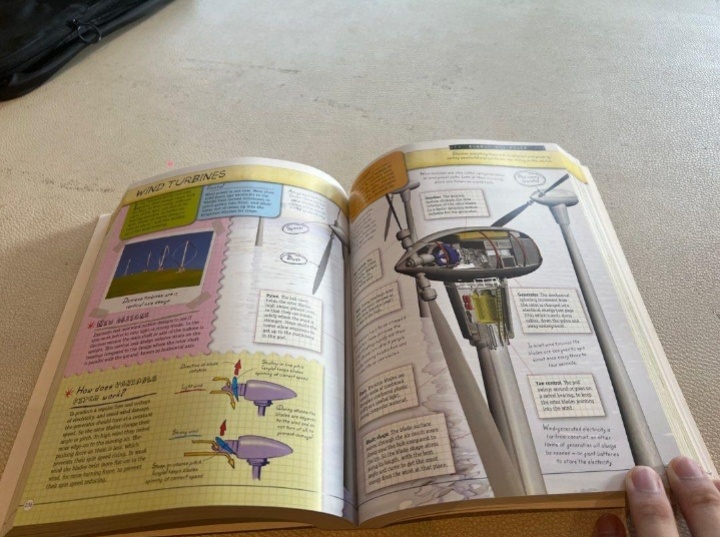
Among the materials William studied was a book called Using Energy. It contained illustrations of windmills and information that helped him understand how wind could be converted into useful energy.
A diagram is a compressed explanation. It shows a machine's arrangement without necessarily explaining every practical difficulty involved in constructing it.
William used what he could learn from the book to develop his own design. His windmill was not simply a manufactured kit assembled according to ready-made instructions. It was an improvised machine made with materials he could obtain.
Think about what this required: understanding a picture, connecting it to a physical problem, identifying useful components, and testing whether those components could work together.
The surviving accounts establish the role of the book and the salvaged materials. They do not provide a complete record of every calculation, failed attempt, or adjustment.
That gap matters. A documentary can reconstruct the problem-solving process, but it should not invent a precise sequence of experiments that the evidence does not preserve
...
Turning discarded materials into a machine
William began collecting discarded materials and repurposing components. Accounts of his work describe the use of bicycle parts, PVC pipe, and other salvaged materials in constructing his windmill.
Each material had to serve a practical purpose. The machine needed blades that could catch the wind, a mechanism for transferring rotation, and electrical components capable of producing usable power.
This was not just a story of imagination. It involved applying knowledge to materials that were available locally.
A peer-reviewed study of innovation uses Kamkwamba's experience to illustrate how users can develop solutions to problems they understand directly.
The study highlights three important factors: the desire to experiment, access to usable materials, and access to scientific knowledge.
These factors help explain the achievement without turning it into magic.
The evidence does not require us to portray William as a boy who knew nothing about science. He had encountered scientific ideas through reading and was able to apply them creatively.
...
When the Wind Produced Electricity
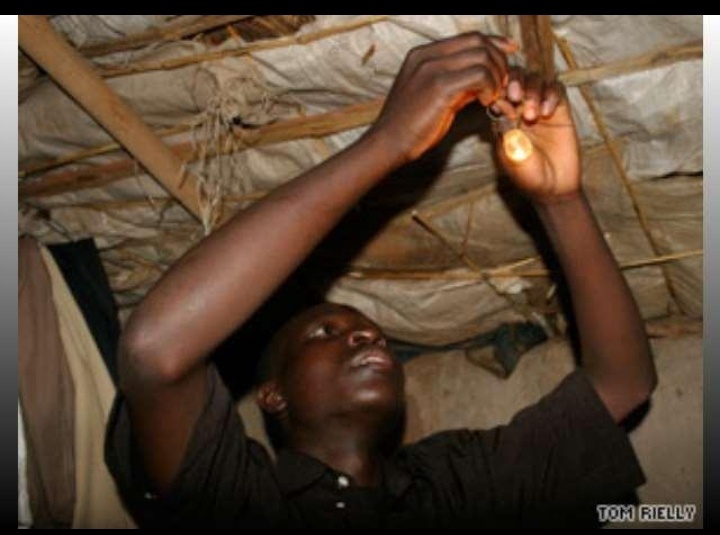
The windmill worked. According to TED's account of his invention, it generated electricity for his family's home, powering lights and radios.
That result is the turning point.
A textbook diagram had become a physical machine. Materials that might otherwise have been discarded had been assembled into something capable of producing useful electrical power.
The achievement did not mean that the family's wider economic problems had suddenly disappeared, or that one windmill solved Malawi's energy challenges. It meant that William had demonstrated a practical solution on a small scale.
His work also attracted attention. A 2007 report described visitors coming to see the windmills he had built and recorded his ambitions to develop systems that could help with water pumping and wider village needs.
The distinction is important: the documented electricity-producing windmill was a real achievement. Larger-scale irrigation and community applications were part of the ambitions surrounding his work, not proof that the first machine transformed an entire village's water supply.
....
The Story Leaves the Village.
William's invention eventually attracted international attention.
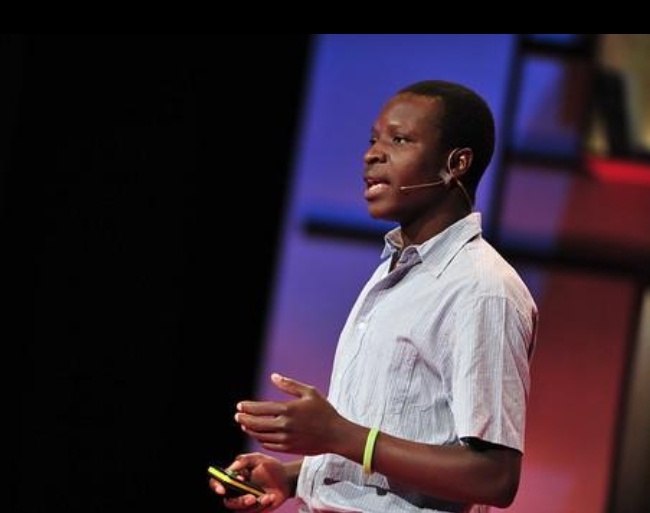
TED's account explains that a local report and a blog helped bring his story to the attention of TEDGlobal organiser Emeka Okafor, who tracked him down and invited him to the conference.
William spoke at TEDGlobal in 2007 and returned to speak in 2009.
The boy who had continued studying outside the normal school system was now sharing his experience with an international audience.
The attention helped open educational opportunities. TED's biography records that he later returned to school and attended the African Leadership Academy in South Africa.
He went on to become an author and co-founder of the Moving Windmills Project, which supports young Malawians working on practical local solutions.
...
The question his story leaves behind
William Kamkwamba's achievement is often celebrated as a story of determination. That is certainly part of it, but there is something else worth considering.
He had access to a library. He encountered useful scientific knowledge. He found materials he could repurpose. And he had the curiosity to connect what he learned with a problem he wanted to solve.
His story makes us think about young people whose talents remain undeveloped because they lack access to books, tools, mentors, or opportunities to continue their education.
How many ideas never become inventions because the people who imagine them do not have the resources to pursue them?
We cannot know the answer. But William's experience reminds us that talent can exist far beyond the places where opportunity is readily available.
Sometimes, a remarkable invention begins with a simple question and a book that someone takes the time to read.
And sometimes, the person who builds something extraordinary is someone the world has not yet learned to notice.
Note: This story draws on William Kamkwamba's TED talks and biography, contemporary reporting, and academic research on user-driven innovation.
His windmill, the circumstances surrounding his interrupted schooling, and the role of the library are documented.
The narrative does not invent private conversations or claim that his first windmill solved every problem in his community.


 139