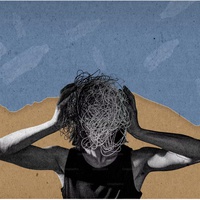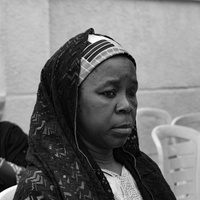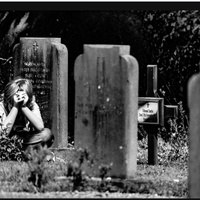
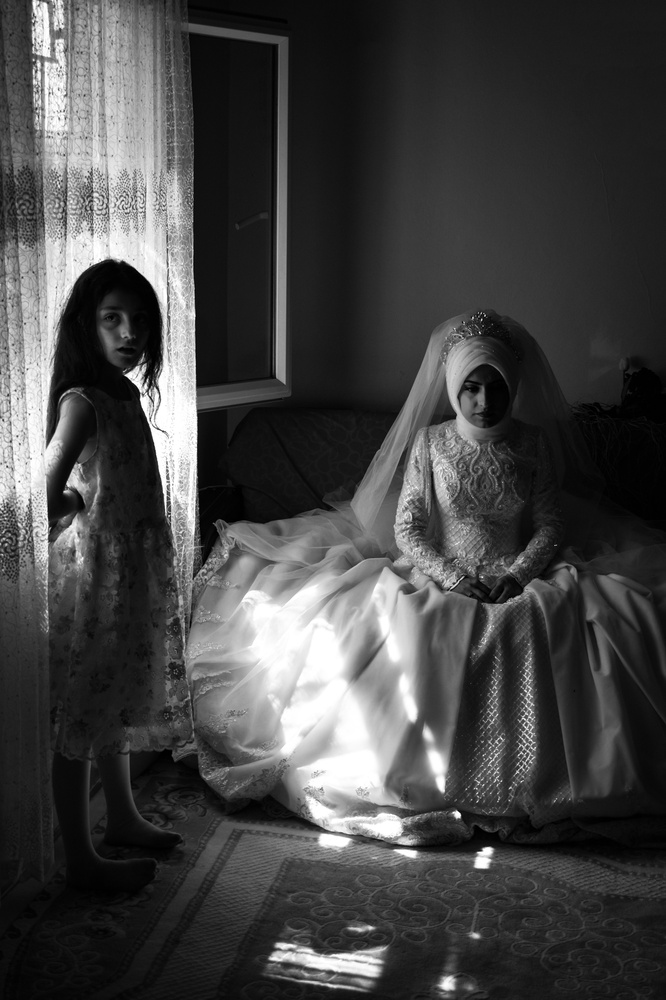
Photo credit: Pexels
They called it custom and the word was warm, a quilt passed down with the blood still in the seams. No one asked who stitched it first but we were taught to kiss the hem. Grandmothers hummed over it while pastors blessed the thread and under the mango tree the ancestors sat in their carved chairs with their lips red, a bottle of schnapps going round, their laughter loosening something in the world. A girl learns early which questions go cold if you let the food sit long enough. A girl learns that Obedience is the first word they praise her for and the last one they let her outgrow.
What is a tradition, if not a decision no one has to defend?
The girl is nine in her good wrapper. She has been told it is a feast day. We count the hands that held a gift and the ones that held an ankle. Behind the hut, the woman with the razor hums the way she hums at the market as two women hold the girl's knees and call it comfort. In front of the hut the song grows louder. You know the trick of it, how a chorus fits over a scream like a lid on a pot. Afterward she walks the way a wounded one walks; carefully, as if the ground might tell. They say she is clean and ready, like she arrived unfinished, as though the body she was born in had been a draft and the edit lay in the blood stained razor. They give her sugar water and a new word for what she is but, no one gives back the old one.
Years later she is a bride and her mother has packed advice between the wrapper and the Bible: A wife's body is a house with no lock; the key was spent on the bride price. The bedroom door closes like a polite cough. At dawn he asks for his tea and her bruises are folded into the laundry with the sheets. When she whispers it to her mother-in-law, the old woman sets down the pestle and rolls her sleeve to the elbow unspooling like a map of a country that lost every war: ridges where the bone mended wrong, a shiny pucker of old burn, a wrist that bends where wrists do not. The left cheek twitches and the smile opens teeth broken to different heights like a fence after a storm. The village says she was once a face the potter took his time over, clay so fine the river went quiet to watch it turn, thumbs pressed gently into the lip, the brow, the proud slope of the neck. Then a second pair of hands arrived in a hurry and pressed again and kept pressing, until what stood in the yard was a pot that had been dropped and mended and dropped, holding water only out of habit. "This," she says, tapping the crooked ridge of her nose, "is how a home is kept." She laughs and the laugh whistles where the teeth are missing.
Who taught her that quiet is what a good daughter is made of?
A man is told No and he hears it as a country hears an insult. He does not shout but goes quiet (which is worse) and a week later he buys a bottle meant for drains, carrying it in his jacket like a prayer. She is selling tomatoes when he finds her, arranging them in pyramids, humming. He says her name softly the way he used to say it in the early days and she turns toward the sound of being loved. What follows is not a scream so much as a tearing but the sound of the morning ripping along a seam. The tomatoes roll in every direction, someone's child is pulled away by the wrist and told not to look and so the child looks. By evening the mirror in her mother's house is covered with a cloth and she touches her own face the way a blind woman reads a stranger slowly in disbelief, finding a map she cannot recognize. The face he swore he loved has become a thing the whole street must learn to look at without flinching. He is already two towns away and by Sunday he is clapped on the back at a naming ceremony, asked how he has been faring.
Another woman is found in a ditch behind the petrol station, one sandal on, one sandal missing, her phone still lit with eleven calls from a mother who had already begun to cook for her return. The police arrive with notebooks and an appetite for tea. They measure the distance from her house and the hour of her last message. They ask about the boyfriend, with a small smile, as though the question answers itself and the answer is her fault. On the radio, between an advertisement for malt drink and a sermon on patience, the announcer calls it a quarrel between lovers gone too far, as though love had a hand in it. Tell me, does love wear cruel fingerprints? By the weekend her name has shrunk to a hashtag, then to a rumor, then to a warning mothers use at dinner: see what happens to girls who walk alone. Her death is made into a lesson for the living women instead of a charge against the perpetrator and under the mango tree, the ancestors pour a libation for the killer's grief. They lift their carved cups and say that young men are fire and fire cannot be blamed for burning, then wipe their red mouths with the backs of their hands and ask who will carry the next calabash. In Kolkata, August 2024, a young doctor finishes a night shift in a government hospital and by morning her body is found in the seminar hall. Her parents are told first that she is unwell, then that she has taken her own life, a sentence kept ready like a shawl for the shoulders of the dead. The case is not registered until after her cremation, the CBI tells the Supreme Court and by the time they arrive, the scene has been altered while the state's lawyers insist that nothing was touched. Months later, one man is sentenced to life but can we ask the room who swept it? Ask what an institution thought it was protecting when it was handed a woman's body.
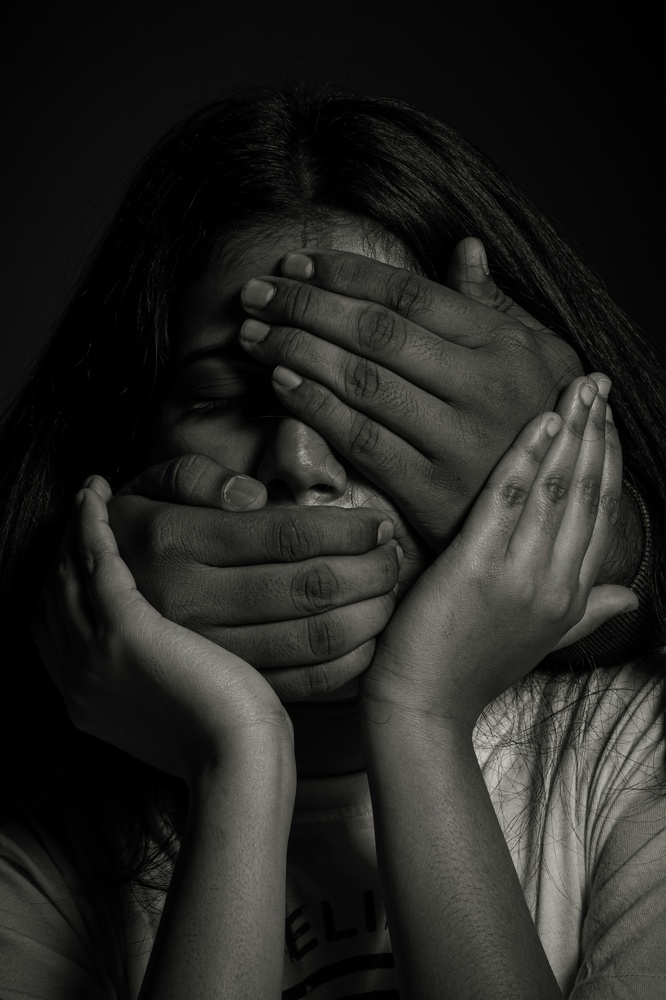
Photo by Tarun Savvy on Unsplash
Some widows fight with the tradition's own tools. In Ibadan, 2012, Samson Adebowale died at thirty-nine on a prayer mountain where his wife and siblings had taken him in a last bid for a cure. The grief is still warm when his family comes to settle another account: they told Elizabeth to sell the land the duo began to build on because a man's land belongs to his brothers. His brother had no legal claim but the belief does not need one. Adebowales mother says fate chose Elizabeth to be a widow and Elizabeth, raised to respect a husband's mother, answers nothing. Instead she sends for gravediggers and has the grave dug on that very plot because among the Yoruba a grave once opened must be filled by the one it was dug for. The family backs down. The law has banned such cruelty since 2015 yet by 2021 only twenty-three of Nigeria's thirty-six states had adopted it and the quilt is older than the statute.
At the office, a hand lands on her shoulder like a signature and the promotion dangles from his other fingers. Her payslip is thinner than that of the man she trained, the same work with a smaller number and a smile expected as change. When she refuses the hand, the words begin, “Useless”, “Uptight”, “Who will marry you?” Small weather that falls daily until she hears it in her own voice when she is alone. A photograph meant for one pair of eyes travels through a thousand phones. The boy who shared it is called a joker whilst she's seen as a lesson and her name becomes a verb. The husband has been dead three days when the in-laws arrive with a list of what the widow owns, which is nothing. They shave her head, sit her on the floor, hand her the water that washed his body and ask her to prove her innocence by drinking it. The farm she tilled for thirty years goes to his brother because the soil, they say, only knows sons. Down the road, a woman whose harvest swelled when everyone else's failed is called a witch because the village needs a reason for its rain and her name was too loud to be innocent. Some widows are lit, serving as trembling wicks that keep the flame of tradition potent. In Deorala, Rajasthan, in 1987, a girl of eighteen, eight months married was carried to her husband's pyre. The village says she climbed it serene in her bridal finery. A reporter writes that she was buried under firewood and begged for mercy. Thirteen days later a quarter of a million people come to the place where she burned, chanting Sati mata ki jai (Glory/Hail to Mother Sati) and her photograph sells briskly in the village. When the courts ask who saw, the bystanders will not testify and the accused are acquitted for want of evidence. A crowd is also a verdict and this one said glory. The glory is still being worshipped.
Another girl, another year. The uncle's door closes and at dawn, the family eats together. Her plate is full, her mouth is not asked to open. By noon the elders gather, the gin hits the dust, covering his sins, not hers. They ask for her hemline, the hour, the road and the reason she was outside in a world that has always been outside. Her aunt presses a wrapper into her hands: “cover yourself, do not shame your mother, a woman who talks does not marry.” And watch her hands, how steady they are, how tenderly they thread the same needle, sharpening for her own daughter what was once sharpened for her, believing it a kindness. The strings run through the women's fingers too as tradition has no hands of its own, it borrows yours. In a village called Meerwala, in southern Punjab, in 2002, a boy of twelve is accused of an affair when it was he who had been molested and his sister is made to pay for it. Mukhtar Mai has always said the village elders ordered what was done to her. She says fifty to a hundred people were gathered and that even one of the elders admitted hearing her cry out. She does not stay silent. In 2011, nine years on, the Supreme Court of Pakistan calls the prosecution's evidence “not confidence inspiring” and upholds the acquittal of five of the six accused.
Stripes lay on her dark radiant skin, the aftermath of lashes made for “correction”. Her head on the mud floor and we call it mercy, the clay growing redder where she lays and the gods drunken on spirit, smirk with their red hued lips and folded arms. It is a burial with the girl still breathing. In Hathras, Uttar Pradesh, 2020, a nineteen-year-old Dalit girl is raped in a field near her home, four upper-caste men are accused and she dies two weeks later in a Delhi hospital. Near three in the morning, nearly two dozen police and officials burn her body in an open field. Her brother says the family was locked inside their house, shouting, after begging to wait for dawn as the rites require. The officials say the family agreed. So tradition can be invoked or discarded depending on whose daughter is burning. On the roof, the crows watch and sigh. One lowers its head almost like pity but pity that never leaves the branch is only a quieter blessing for the knife. Silence has handwriting too and it signs the permission slips. It is the hand at her back steering her toward the door, the hand on the door that stays shut, the hand that covers her mouth while another digs away at her innocence. Then morning comes and we sweep until the yard forgets. All matters go under the carpet until the problems become Everest and the carpet? An icecap.
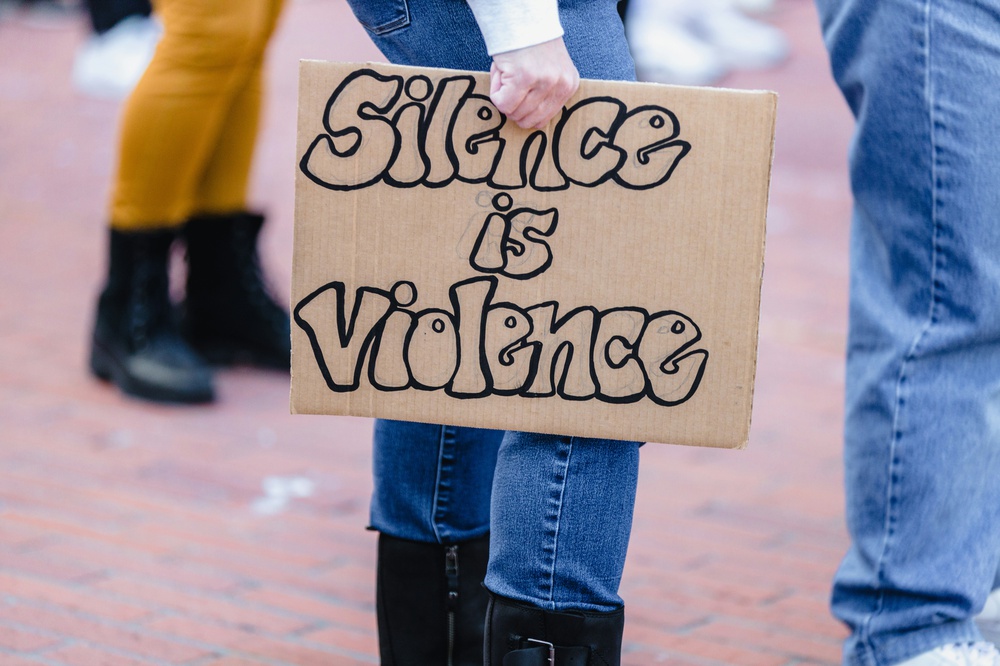
Photo by Jason Leung in Unsplash
In Nanyuki, Kenya, March 2012, Agnes Wanjiru, a twenty-one year old mother goes into a hotel with British soldiers and is not seen again. Broken glass and blood are found in the room and the hotel staff do nothing. The soldiers leave the country. Two months later her body is found in a septic tank and a pathologist will tell the inquest she may have been alive when she was put there. The magistrate finds that she was murdered and that the hotel's silence points to a cover-up. A soldier later alleges he reported what he knew and was told to stay quiet. In 2024, her family's lawyers said no one had been charged, twelve years on. Her body was buried in a septic tank and paperwork.
What does a nod weigh? Ask the girl who carried it.
“We were there”, that is the sentence we bury. Forty faces at the window, forty hands folded neat as washed linen, each swearing it only watched but watching is a kind of holding. The silence had a shape; it was shoulders and we were the shoulders it leaned on while it did what it did. The one who strikes is the hand, the one who watches is the arm. Take away the arm and there is no blow. Do not tell me the watcher weighs less, as if the scale was never built to flatter you.
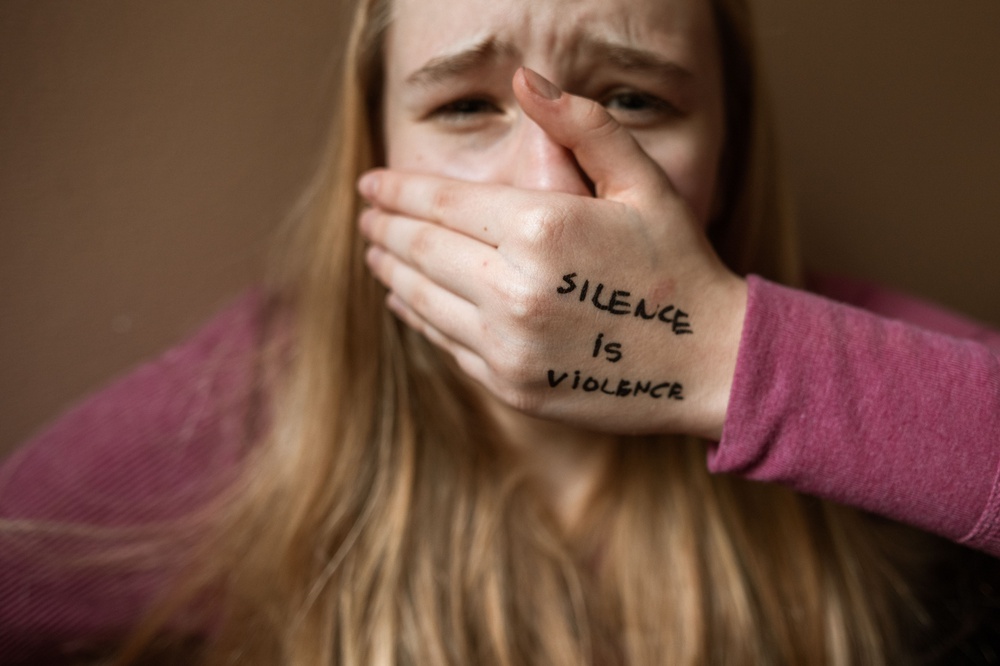
Photo Credit: Pexels

Illustration by Rahmad Kurniawan on Unsplash
So here is the other arithmetic; Sit beside her, be the door that opens when she knocks. Be the forty voices that say we heard you where there used to be forty folded hands. A man who works in silence finds the work heavier when the yard is full of witnesses and a woman who is held has somewhere to put down what she has carried. Somewhere a woman is unpicking the old quilt thread by thread and what she makes of it will be a banner. Tradition never had a voice of its own, it has only ever borrowed yours. Ask the well to release its own accounts of bodies buried. Ask the floorboards what they swallowed. Not one of us was innocent and every one of us was careful.
Let the old thing stand trial and the crowd chant its names out loud.
Let the strings be cut, starting with ours.



 21