Who Is an Artist Manager?
An Artist Manager is the backbone of every serious artist’s career.
They oversee everything, from strategy to execution and make sure every decision aligns with the artist’s long-term goals.
Think of your manager as the business version of you.
They make the decisions you’d make for yourself if you weren’t in the studio recording or traveling for shows.
A real manager doesn’t just book events, they build careers.
Types of Artist Managers in Today’s Industry
1. Big Managers Who Discover and Build Talent
These are managers who identify raw potential early and help shape the artist’s career from the ground up.
They’re part of the artist’s foundation and often remain even after the artist signs to a major label.
A good example is Bose Ogulu (Burna Boy’s mum), who has been deeply involved in his brand building, touring, and global positioning.
In the U.S., Scooter Braun (who discovered Justin Bieber) is another classic example.
These managers are long-term partners. Their strength lies in loyalty, artist development, and career building from scratch.
2. Established Managers or Management Companies
These are professionals or firms that already have industry connections, resources, and experience. They’re often hired by top or mid-level artists who need structure and access to bigger opportunities.
Their deals are usually based on retainers or service contracts, not long-term profit sharing.
For instance, Jay-Z’s Roc Nation Management handles artists like Rihanna, Megan Thee Stallion, and our own Ayra Starr under formal management contracts.
3. Label-Appointed Managers
Sometimes, a record label assigns a manager to an artist as part of the deal.
This helps the label maintain structure and oversight.
For example, Seun Okeke manages Rema under Jonzing World, a label-appointed arrangement designed to align Rema’s daily activities with the label’s broader strategy.
These managers report both to the artist and the label, bridging the gap between creative direction and business goals.
4. Upcoming Managers Building with Unknown Artists
This group represents most managers in the early stages of Afrobeats.
They discover unknown artists, grow with them, and learn the business together.
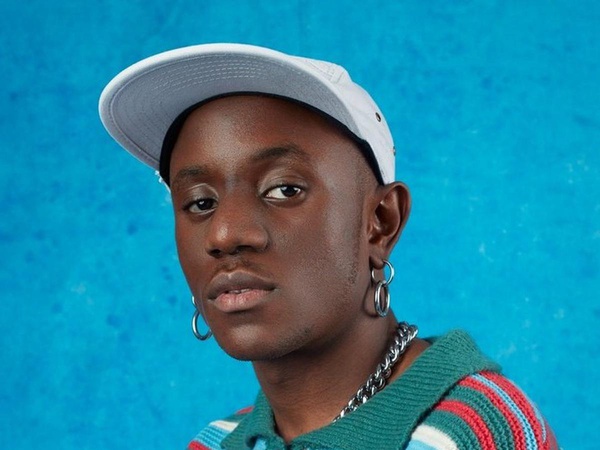
A good example is Victony and his manager Jeme dafe, who’ve built their journey step by step.
In this type of partnership, trust and consistency matter more than fame because both parties are betting on each other’s potential and transparency.
How Managers Earn
1. Commission Model (Most Common):
Managers earn between 10% and 20% of the artist’s gross income covering shows, brand deals, streaming, and royalties.
2. Retainer or Salary:
Some artists, especially under major labels, pay their managers a fixed monthly fee for full-time service.
3. Hybrid Deals:
A mix of both, a monthly base pay plus commissions on specific earnings.
4. Equity or Partnership Model:
In rare cases, early managers may own a small percentage of the artist’s company or catalogue as compensation for their early investment and risk.
Manager earnings, like most deals in the music industry, are not fixed it depend on contracts, negotiations, and specific clauses.
Part 3
Manager's contract and key clauses.


 151