Polycystic ovary syndrome (PCOS) is one of the most common hormonal conditions in women of reproductive age, yet many women live with it for years before it is named. Irregular periods, stubborn acne, excess facial or body hair, thinning scalp hair and difficulty conceiving are often dismissed as "normal." They are signals worth taking seriously.
A Misleading Name
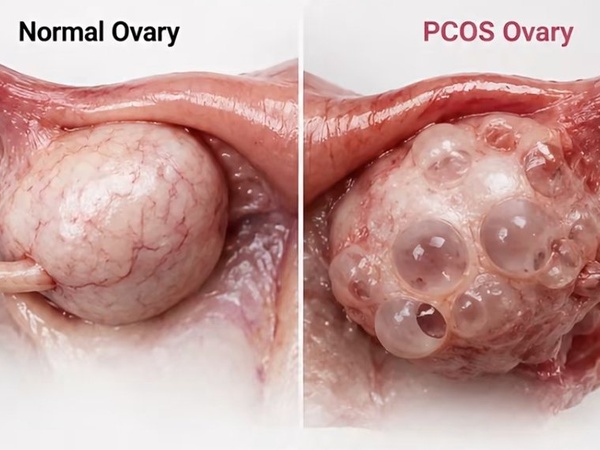
Despite the name, PCOS doesn't mean a woman has true cysts. The "cysts" seen on imaging are small, immature follicles that stall before releasing an egg. The real driver is a hormonal imbalance: higher-than-normal androgens, often combined with insulin resistance, which disrupts ovulation.
Where Radiography Comes In
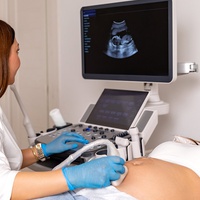
Imaging is central to diagnosis. Pelvic ultrasound, either transabdominal or transvaginal, is the first-line tool. Radiographers and sonographers look for:
Increased follicle count in the ovaries (current international guidelines use 20 or more per ovary in adults)
Enlarged ovarian volume, typically above 10 mL
Endometrial thickness, since irregular ovulation can lead to overgrowth of the womb lining
Imaging also helps rule out look-alikes. MRI or CT can examine the adrenal glands or pituitary when hormone levels suggest another cause, such as an adrenal tumour or a prolactin-secreting pituitary adenoma.
A Condition That Reaches Beyond the Ovaries
PCOS is a whole-body condition, and several of its companions appear on the radiology table:
Fatty liver disease: Insulin resistance raises the risk of non-alcoholic fatty liver, often first spotted on abdominal ultrasound.
Type 2 diabetes and heart disease: Women with PCOS face higher cardiovascular risk, sometimes assessed with vascular imaging.
Endometrial hyperplasia and cancer: Prolonged absence of ovulation can thicken the womb lining, which is monitored by ultrasound.
Infertility: Follicle tracking by ultrasound guides ovulation induction and fertility treatment.
Bone health: Bone density scans (DEXA) may be used where other risk factors are present.
The Human Side of the Scan
For many women, a PCOS scan is emotionally loaded. It may be tied to fears about fertility, body image or long-term health. A radiographer who explains the procedure clearly, protects privacy and treats the patient with dignity can change the whole experience. Patient confidentiality matters especially here, because reproductive health information is deeply personal.
The Takeaway
PCOS is manageable, and early detection makes a real difference. Lifestyle changes, medication and regular monitoring can lower the risks. If your cycles are irregular or you notice persistent symptoms, don't wait. Speak to a doctor and ask about hormonal tests and a pelvic ultrasound.


 3