I have become so angry, yet so amazed, at how people have normalised the worst things. A woman can just wake up, clean up, eat, and go about her day, and suddenly, she is violated. The most unsettling part is that this happens in broad daylight, with some people standing and watching while others simply pass by. No one does anything about it
Imagine being the girl on that bike, looking around helplessly to see if there is anyone to call for help, only to find out that there are people around, but those people are "busy". Busy being spectators while others pass by as though it is the most normal thing they have seen that day. And funnily enough, if you asked them, they would try to justify what had happened and call it tradition.
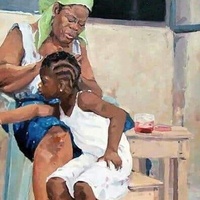
Tradition is supposed to preserve our history, show our identity and give us a sense of belonging. However, just because something exists and is being practised does not automatically make it right. If your so called tradition comes at the expense of someone else's dignity, then I think it is time to question that tradition.
When a woman has been violated, the responsibility does not rest solely on the perpetrators. It also extends to a society that witnesses such acts and allows them to continue, all in the name of tradition. If such behaviour was not so normalised, many women would not have to endure these experiences while those around them look away or make excuses for what has happened.
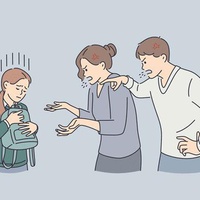
Yes, quite alright, fear is real, and not everybody possesses the courage to intervene because of what it might mean for them afterwards. But I strongly believe that seeking assistance or contacting the appropriate authorities is better and more productive than standing and watching or taking out phones to record. Yes, recording an incident may provide evidence, but doing it just for publicity and to circulate someone's humiliation is not advocating for the violated. We should understand that there is a difference between documenting an incident to seek justice and documenting it for publicity and entertainment.
There are families that put their reputation above everything else and would do anything to preserve it, including turning their backs on seeking justice for the violated so that the issue wouldn't spread and end up dragging their reputation through the mud. There are religious leaders and people in positions of authority who would instead dismiss such incidents as family affairs. Then there are close relatives of the survivor who would still condemn and accuse her, making her feel responsible for what happened to her. These people are protectors of wrongdoing, and this is not a situation a survivor should have to find herself in after going through such a traumatic experience.
Justice should not only be about arresting the perpetrators. It should also be about proper investigation, protection and privacy for the survivor, and consequences for those who choose to abuse their positions and conceal wrongdoing. A society that claims not to tolerate injustice must not continue to make excuses for it. We should not only ask, "Who committed it?" but also, "What did we do about it when we had the opportunity to seek justice?" The survivor should also be allowed to take control of her story and live her life without the scrutiny of others.
As for men, challenging harmful attitudes and behaviours among their fellow men should be the norm. There was a case that was brought to light at Cornell University in the United States of America. A former female student has alleged that she was sexually assaulted by seven men who were members of a fraternity. According to reports, messages about the woman were circulated in the fraternity's group chat, which allegedly had more members than the seven men who were accused. If only one person who had knowledge of what was happening had spoken up and reported it to the appropriate authorities, perhaps the situation could have been different.
Respect for women is a basic responsibility, and the normalisation of harassing and violating women must stop.
The girl on that bike needed people who understood that her dignity was worth more than a stupid tradition. Tradition should be something to be proud of, not something that comes at the cost of someone else's dignity.
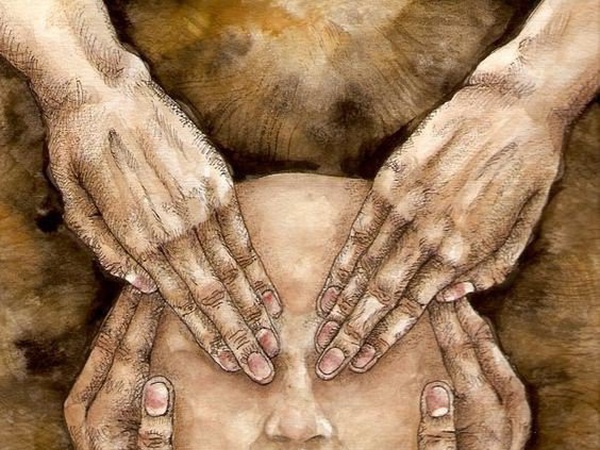
See no evil, hear no evil, speak no evil?
I believe these are just words that give people an excuse to look away.



 33