


In March, during the Alue-Do festival in Ozoro, a 17-year-old girl was pulled off a bike in daylight.
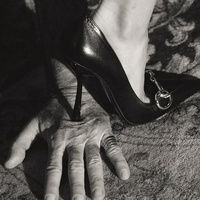
Start with the hands that grabbed her.
They belonged to young men, and nothing I say next dilutes what they did. Criminal responsibility is theirs alone, and they must answer to the law.
Then the hands that held phones.
Some watchers were afraid, and fear is not a crime. Nobody can be asked to face a mob alone. But helping has more shapes than heroism: a shout, a call to the police, a body placed between a girl and a crowd, a friend pulled away before he joins in. What is harder to forgive is choosing the lens over all of these. Yet the camera is not simply the villain. Videos of Ozoro spread within hours, and police later arrested 18 people. Footage handed to the authorities is evidence. Footage posted for views assaults her a second time. A survivor decides how, when and whether her story is told, and anyone who carries it for her must ask first.
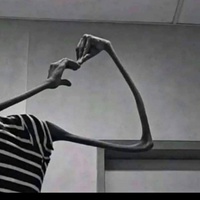
Then the folded hands, which are the most dangerous because they look like nothing. An officer writes "family matter" and closes the file.
A magistrate lets a case drag for years until the complainant is worn down.
A relative whispers "don't spoil your father's name."
A pastor or imam says "go back and pray for your husband." These are not neutral acts. Nearly one in three Nigerian women has experienced physical violence since age 15, and most cases are never reported, let alone punished. Nigeria's Violence Against Persons (Prohibition) Act exists for exactly these moments, so the officer who says "it's tradition" is not helpless. He is choosing a side.
And a family's name is made of its members. Sacrifice one to protect it and there is nothing left to protect.
Now, whose hands are these? Not only men's. Women also tell daughters to keep quiet, because they were once told the same and survived by obeying. I do not blame them for surviving. But the crime itself, and most of the power to excuse it, sits with men, and so most of what must change is theirs to change.
Violence against women is often spoken of as something that happens to women, as though it had no authors. It has authors, and other men stand close enough to see them.
A man who watches his friend corner a girl and says nothing has not stayed out of it. He has been counted.
The man who laughs, who says "that's how boys are," who forwards the clip to the group chat, is casting a vote.
And the men who lead, the chiefs, elders, pastors and commanders, are never mere bystanders. Everyone else watches them to learn what is allowed.
What is asked of men is small, which is why failing at it is so damning: speak when other men won't, because men listen to men. Step in for a woman you don't know, not because she is someone's sister, but because she is a person. If a woman must prove she belongs to a man before she earns protection, we have asked the wrong question.
And who decides which traditions deserve to survive?
Not those who profit from them, and not those who fear what they would lose.
The judge is the dignity and safety of the people a custom touches.
A tradition is not holy for being old, and a crime does not become culture because enough people watched it. Some who hide behind tradition are simply criminals who found a respectable costume. Others sincerely defend practices that harm. The test is the same for both: does it survive a woman's consent and safety?
So I hold two things together.
The crime belongs to the perpetrator, and the impunity belongs to all of us who built the silence around it. Blaming the crowd does not excuse the attackers. It explains why they were never afraid.
Justice, then, is not a mood. It is a list of things that must happen.
Police must register every complaint and face discipline if they refuse.
Courts must hear cases promptly and refuse "settlements" that pressure survivors into silence. Sentences must match the gravity of the offence, not a few light months before an easy return to normal life.
Witnesses who report must be protected from retaliation. Leaders of faith and community must be trained and expected to refer survivors to help, not send them home. And survivors must control how their stories are told, from the first report to the last headline.
Justice looks like fewer hands folded, fewer raised to record, and one more pair in the crowd, reaching.



 57