Score |
58


Princess Chronicles

 Writer || Speaker || Storyteller @ Adekunle Ajasin University
Writer || Speaker || Storyteller @ Adekunle Ajasin University



Guilty of Girlhood
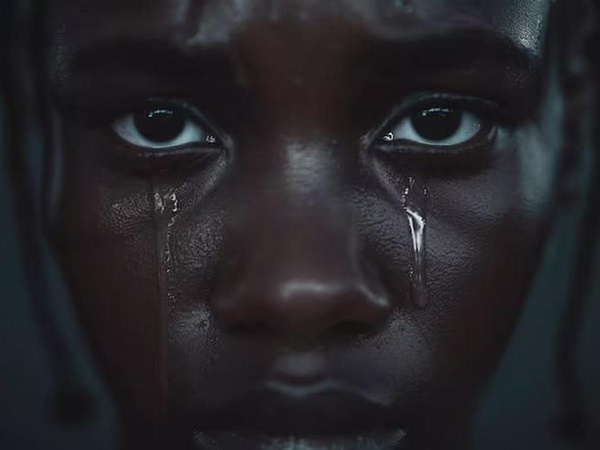
<p><strong>Lola was born into a family struggling to survive, unaware that someone had already placed a price on her future.</strong></p><p><br/></p><p>Ohh...she is a girl</p><p>Her family is struggling financially. and she become part of the repayment plan.</p><p><br/></p><p>She didn't borrow the money or sign any agreement. She wasn't even old enough to understand what debt meant. Yet, her childhood freedom, and future are being negotiated because of a debt she knows nothing about.</p><p>Sounds unbelievable, right?</p><p><br/></p><p><br/></p><p>Unfortunately, this has happened in Nigeria.</p><p>In parts of Cross River State, a practice known as money marriage involved girls being given out in marriage to settle debts or repay obligations. Reports have documented girls being handed over at very young ages, with some suffering years of abuse and exploitation.</p><p>Read that again.</p><p><br/></p><p>A child could be used to settle a debt she never incurred. And this is where I want us to begin our conversation about the girl child.</p><p>On Sunday, October 11, we celebrated the International Day of the Girl Child. I spent some time thinking about what that celebration means, how far we've come, what girls before us had to endure, and how many of those struggles are still part of our reality today.</p><p><br/></p><p>I also had a conversation with someone who wondered why I always celebrate women and girls. The question was familiar: “What about boys?”</p><p>And honestly, I have thoughts.</p><p>But before we get there, let's talk about her.</p><p><br/></p><p>In August 2026, Kano State held a government-sponsored mass wedding involving 1,500 couples. The programme was presented as financial support for vulnerable residents. However, a subsequent report raised concerns after a groom publicly stated that his bride was 17 years old. That report does not establish the ages of all the brides at the event, but it brings an important question into the conversation: what protections ensure that girls are not pushed into marriage before they are ready?</p><p><br/></p><p>Nigeria continues to face a serious child-marriage problem. UNICEF reported in December 2025 that 33.4% of young women nationally had married before turning 18, with rates approaching 50% in the Northeast and Northwest.</p><p><br/></p><p>And when I think about that, I cannot help asking: how many opportunities have girls lost because somebody decided that marriage was more important than their education? How many dreams have been abandoned because a girl was expected to become a wife before she had the chance to discover herself?</p><p><br/></p><p>How many girls have been denied the opportunity to decide what kind of life they want?</p><p><strong>These questions deserve answers.</strong></p><p><br/></p><p>Today, girls are becoming doctors, accountants, engineers, lawyers, entrepreneurs, researchers, politicians, and technology professionals. Women are building businesses, managing their finances, making investments, occupying leadership positions, and creating opportunities for themselves and others. </p><p><br/></p><p>Women use bank accounts, ATM cards, mobile banking applications, and other financial tools to manage their money. Financial independence is increasingly part of the conversation around women's lives.</p><p>And yes, I love that for us.</p><p><strong><br/></strong></p><p><strong>Even with the progress we have made, there are expectations that continue to shape girls' lives.</strong></p><p><br/></p><p>A girl is expected to be respectful, but sometimes respect is used to demand silence.</p><p>She is expected to be responsible, but responsibility can become an endless list of duties she is expected to perform for everybody else.</p><p>She is expected to protect her reputation, sometimes even when somebody else has violated her boundaries.</p><p>She is expected to be careful about what she wears, where she goes, how she speaks, and how she behaves, while the person who harasses or abuses her may escape the same scrutiny.</p><p><br/></p><p>And when something happens to her, people can become more interested in investigating her behaviour than holding the person responsible accountable.</p><p><br/></p><p>Why was she there? What was she wearing? Why did she trust him? Why didn't she leave?</p><p>Questions like these can shift responsibility away from the person who chose to harm her.</p><p>This is why conversations about sexual violence, harassment, child marriage, and victim-blaming remain necessary.</p><p><br/></p><p>The World Health Organization estimates that nearly one in three women worldwide has experienced physical or sexual violence in her lifetime.</p><p><br/></p><p><strong>AND THEN SOMEBODY ASKS, “WHAT ABOUT BOYS?”</strong></p><p>Now, back to the conversation I had.</p><p>Someone asked why I always celebrate women and girls. What about boys?</p><p>And my response is simple: boys matter, too.</p><p><br/></p><p>Their education matters. Their mental health matters. The pressure to provide, to suppress emotions, to appear strong, and to meet society's expectations matters. Boys can experience abuse, neglect, exploitation, and discrimination, and those experiences deserve attention.</p><p>Nobody is saying otherwise.</p><p><br/></p><p>But why does a conversation about girls so often become a debate about whether boys matter?</p><p>Why can't we discuss the girl child on the International Day of the Girl Child without immediately being asked to defend the celebration?</p><p>Why does celebrating women's progress sometimes make people feel as though they have been personally attacked?</p><p>And why is it difficult to accept that different groups can face different challenges, requiring different kinds of attention?</p><p><br/></p><p>When I talk about the girl who was married off before she could finish school, I am talking about her experience.</p><p>When I talk about the woman who was sexually assaulted and then blamed for it, I am talking about her experience.</p><p>When I talk about girls being denied leadership opportunities or pressured to abandon their ambitions, I am talking about their experiences.</p><p><br/></p><p><br/></p><p>I am not saying that boys never experience hardship. I am asking why recognising these particular experiences should be interpreted as hostility towards boys.</p><p><br/></p><p>Not every conversation needs to include everyone before the people directly affected are allowed to speak.</p><p><br/></p><p>And no, I do not believe that choosing to advocate for girls means I must divide my attention equally among every cause before I can speak.</p><p><br/></p><p>Personally, I will choose to advocate for my gender. I will speak about the things that affect girls and women. I will celebrate our progress, question the practices that limit us, and challenge the expectations that make our struggles seem normal.</p><p><br/></p><p><br/></p><p><strong>I also think we need to stop treating the celebration of women as a competition. </strong>Acknowledging the barriers women face does not require us to deny the challenges men face. Recognising men's challenges does not require us to minimise women's experiences.</p><p><br/></p><p><strong>We can have both conversations.</strong></p><p><strong>And we can allow the evidence to inform them.</strong></p><p><strong style="background-color: transparent;"><br/></strong></p><p><strong style="background-color: transparent;">SO, WHAT ARE WE REALLY CELEBRATING?</strong></p><p><br/></p><p>When we celebrate the International Day of the Girl Child, I believe we are celebrating the right of every girl to have a childhood, receive an education, make choices, develop her abilities, live safely, and participate in society.</p><p><br/></p><p>We are celebrating the progress that has made more opportunities available to girls.</p><p>We are recognising the people who fought for those opportunities and the girls who continue to pursue them despite the obstacles they face.</p><p><br/></p><p><br/></p><p>There are still girls who need protection from child marriage. There are girls who need access to education. There are girls who need protection from sexual violence and exploitation. There are girls whose ambitions are dismissed because of their sex. There are girls who need the freedom to make decisions about their own futures.</p><p><br/></p><p>And there are girls who simply need someone to believe that their lives are worth investing in.</p><p><br/></p><p>I don't think celebrating them should be controversial.</p><p>I don't think advocating for them should require an apology.</p><p>And I don't think acknowledging their struggles should be treated as an attack on boys.</p><p><br/></p><p>If you want to celebrate boys, celebrate them. If you want to advocate for their well-being, do it. If there are issues affecting boys that deserve attention, bring them into the conversation.</p><p>But when we are talking about girls, please allow us to talk about girls.</p><p><br/></p><p>We do not need to turn every conversation into a competition over who has suffered more.</p><p>We need to understand what is happening, examine the evidence, identify the problems, and work towards solutions.</p><p>And if you ask me why I choose to speak about girls, my answer is that I care about their lives, their opportunities, their safety, and their futures.</p><p>I care about the girls who are still fighting for the opportunities some of us now have.</p><p>I care about the girls who are growing up in circumstances that limit their choices.</p><p>I care about the women who had to challenge expectations so that the next generation could have more options.</p><p><br/></p><p>And I care about the girl who has not yet discovered what she can become because the people around her have already decided what she should be.</p><p>She deserves the opportunity to find out.</p><p><br/></p><p><br/></p><p>On Sunday, October 11, we celebrated the International Day of the Girl Child. Today, I am still thinking about what that day means.</p><p><br/></p><p>I am thinking about our history, our progress, the barriers that remain, and the work required to ensure that girls can grow up with dignity, safety, opportunity, and freedom.</p><p>I am thinking about how far we have come, and how much more we must do.</p><p><br/></p><p><strong>And if somebody asks me again, “What about boys?”, I will say that boys matter, too.</strong></p><p><br/></p><p>Then I will continue talking about girls.</p><p>Because their lives matter.</p><p>Their future matter.</p><p><strong style="background-color: transparent;">And they deserve to be celebrated 100 million times in a year!</strong></p><p><br/></p><p><br/></p>


 13
13





Other insights from Princess Chronicles









Contributor Points
Points-to-Coupons

Referral Earning
Insights for you.


Can We Talk About Period Pain?
Yesterday I nearly died. And please, I’m not even exaggerating. Menstrual cramps are ac...
212 views
58 upvotes
60 comments


Disrespectfully, please leave
Dear Menstruation,We need to talk. Like right now.First of all, I’ll hand it to you— yo...
187 views
48 upvotes
45 comments

Papa wasn't mine...
My father died on a Tuesday.The man who raised me. The quiet one. The one who came home...
181 views
46 upvotes
47 comments

It Was Never About Pink
For years, I wore my hate for pink like a badge of honour. In family pictures, I’m the ...
523 views
37 upvotes
42 comments

Your Daughter Is Already Pretending
They grow up to be women who have turned pretense into an art form. And it starts early...
334 views
36 upvotes
38 comments
Hot Body?
Since I clocked thirteen, getting dressed has felt like walking through a minefield. It...
127 views
38 upvotes
43 comments


GOOD GIRLS DON’T WIN
I’m done being a good girl; let the streets judge me. They told us to cross our le...
788 views
38 upvotes
31 comments
We Are Watching You Watch Us
They buried her alive, and they did it in broad daylight. They did it with paperwork. W...
130 views
30 upvotes
32 comments
The Dangers of Ultra Feminism
I'm a strong feminist and a girl's girl, even if that sounds cheesy. But as much as I...
683 views
29 upvotes
30 comments


Are we punishing psychosis?: The Lind...
Are We Punishing Psychosis?A person commits a crime under the influence of psychosis. A...
158 views
31 upvotes
28 comments