Score |
87


Israel Oyedeji
 Student @ Obafemi Awolowo University
Student @ Obafemi Awolowo University



I’d rather not.

<p><br/></p><p>Dearest gentle reader,</p><p>It is hardly news that we have heard stories of people's experiences, shared to break the silence, and encourage the conversation: “This happened to me, and we need to talk about it.” A statement that, in its own way, has given many the courage to speak.</p><p>And this author would like to take her stance in three words: “I’d rather not.” Yes, I want to speak up. Yes, it is better to do so, but it still remains a rather sensitive issue.</p><p>I find it rather troubling that you turn your own experiences into gossip for the people of the web. Though we all have our choices about what we would or would not like to do, isn't it perhaps going too far to disclose personal information for all eyes to see?</p><p>Something they call, keeping in-house matters within the house.</p><p>This author would like to hear your whispers from the shadows, for can we really gossip when you are exposed?</p><p>Like I said earlier, I’d rather not have my wounds turned into jokes. Discretion is the rarest virtue.</p><p>Real voices need not be loud to be considered authentic, and pretty fonts certainly do not make your experience any less significant.</p><p>So this author would ask: where do you draw the line when your experience is all over the internet, reduced to just another random tweet?</p><p>People will certainly talk, whisper, and react, but where is the genuine love in question, the compassion for my broken bone, scarred skin or troubled mind?</p><p>Calling it courage to speak up is not the problem. Surely, some may feel less alone by sharing their experiences, but does that account for the stigma and pain they might encounter?</p><p>Discretion truly is the rarest virtue. Not that you should not share, but have we considered the question: what comes next when I talk about how I was bullied, beaten and maltreated?</p><p> Dear reader, perhaps we ought to ask ourselves a different question. Not simply whether people should speak up, but whether we have learnt how to listen without turning their experiences into spectacles.</p><p> To listen not just to the story but also the storyteller.</p><p> It is up to our discerning minds to bring real change to real experiences, to give volume to real voices and make room for not just the story but also the person behind the story.</p><p> And so, dear reader, the question remains: does society really need to know?</p><p><br/></p><p> Yours truly,</p><p> Lady Whistledown.</p><p> </p>
Competition entry
|
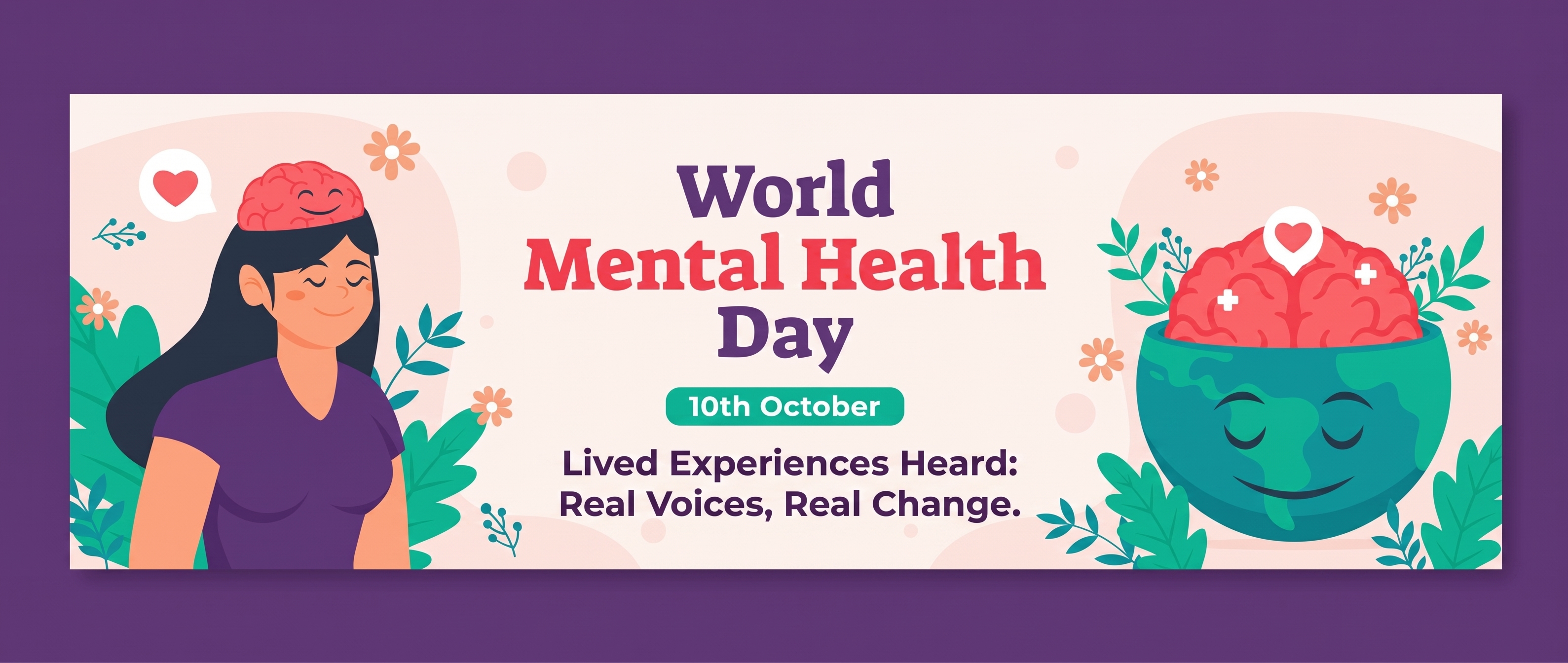
WORLD MENTAL HEALTH DAY: REAL VOICES, REAL CHANGE - SHOULD WE SHARE OUR STORIES?


 9
9


Other insights from Israel Oyedeji












Contributor Points

Points-to-Coupons

Referral Earning

Insights for you.



Silence: The things we don't say.🥺
I walked out of my house, shutting the door behind me, and moved to the terrace.I neede...
254 views
60 upvotes
64 comments
Suicide: The Permanent Solution.
“Did you regret it?”“You know…”I hesitated.“What happened?”A heavy sigh was the first r...
269 views
51 upvotes
54 comments

Suicide: The Nigerian perspective.
As we all know, this month, September is Suicide Prevention Month.Today, I'll be talkin...
167 views
46 upvotes
66 comments


2 a.m.
Maybe it's all the nights I spent not sleepingOr all the days I sat thinkingOf how I've...
270 views
52 upvotes
50 comments
Yours in the Empty
Losing a father is one thing,Losing a best friend is another.Losing the "head" is one t...
418 views
60 upvotes
44 comments

I’m Skinny, and So What?
What if I told you that I have cried more over my own arms than over any guy who has ev...
237 views
49 upvotes
51 comments


Shocking Generosity.
Dear Mr. Smith,Good afternoon, sir. I hope this letter meets you well.I write to profus...
136 views
46 upvotes
43 comments


After Alhaji
"Kai, yarinyar nan ta yi sa'a ƙwarai.""Wallahi. Alhaji Ibrahim da kansa zai aura ta.""T...
292 views
37 upvotes
44 comments


One step forward, Three steps back
I'm tired...But not for the reason you're thinking How much more must life take?How muc...
448 views
51 upvotes
41 comments