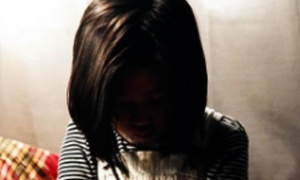
In my family, love sounds like questions nobody waits to hear the answer to.
We pass food around the table
like apologies we don’t know how to say.
My mother calls it peace.
I call it silence with good manners.
This house has many versions of itself.
It knows how to look holy when visitors come.
How to sound disciplined when stories are retold.
How to arrange its children neatly,
each one assigned a role they never applied for.
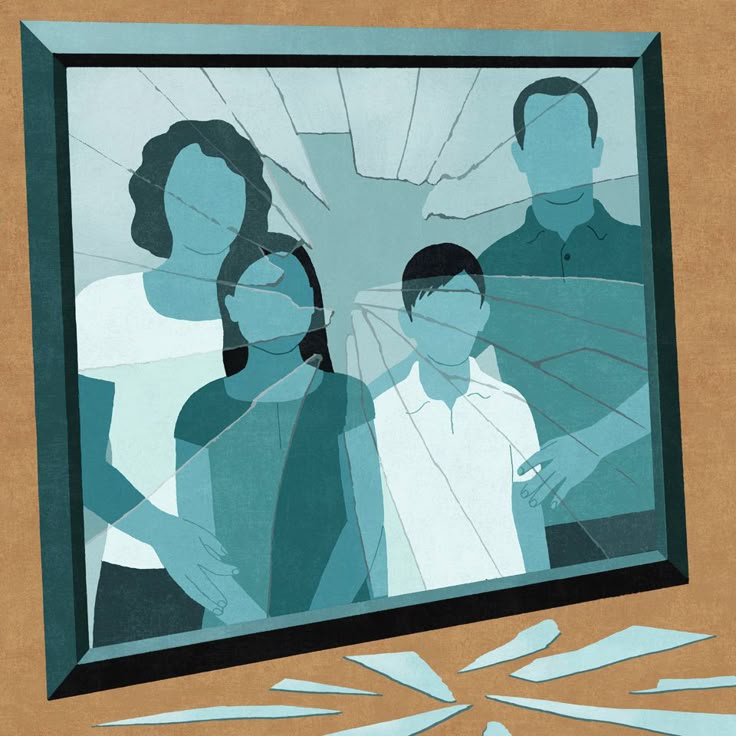
Here, obedience is mistaken for harmony.
Raised voices are feared more than unresolved pain.
We pray before meals, after arguments,
and sometimes in place of apologies.
Wins are measured carefully.
Big ones are acknowledged.
Small ones are swallowed whole.
Celebration feels indulgent,
like joy must be earned twice to be deserved.
Pressure moves quietly through the rooms.
It sits on every child differently
but never misses anyone entirely.
Being right is not about pride here,
it is about survival.
About avoiding blame.
About staying unscathed when the conversation turns sharp.
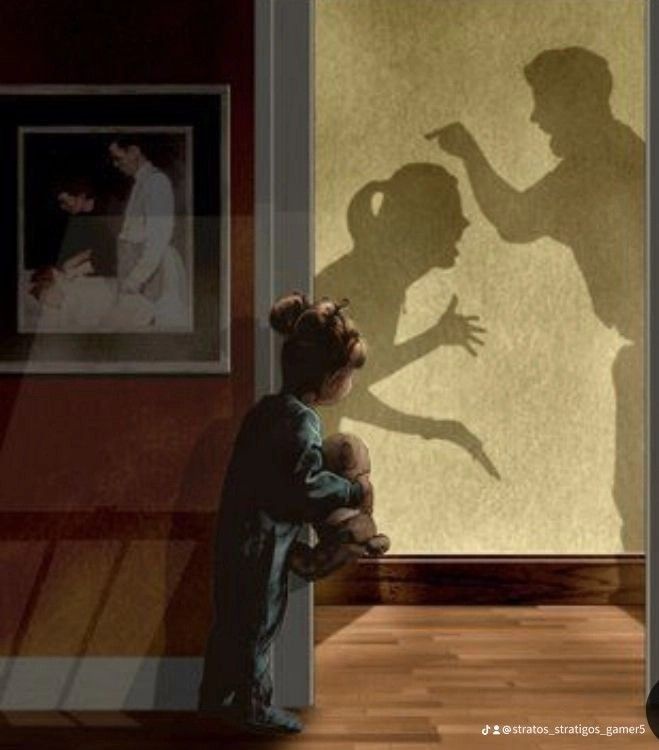
We are taught to be kind.
We are taught to be respectful.
We perform these lessons flawlessly with guests.
With strangers.
With anyone watching.
Inside, kindness is rationed.
Respect is conditional.
There are people we keep close
who know exactly where to wound us.
Guests who arrive smiling
and leave with our secrets folded neatly in their pockets.
We host them anyway.
Because peace, in this house,
often means endurance.
Every family has a strong one.
The invincible child.
The one who absorbs tension without complaint.
The one who is dependable until it becomes a burden.
That child is praised for resilience
and punished for needing rest.
Invisible when affection is shared.
Visible when labour is required.
Strong when strength is convenient.
Weak only when weakness can be dismissed.
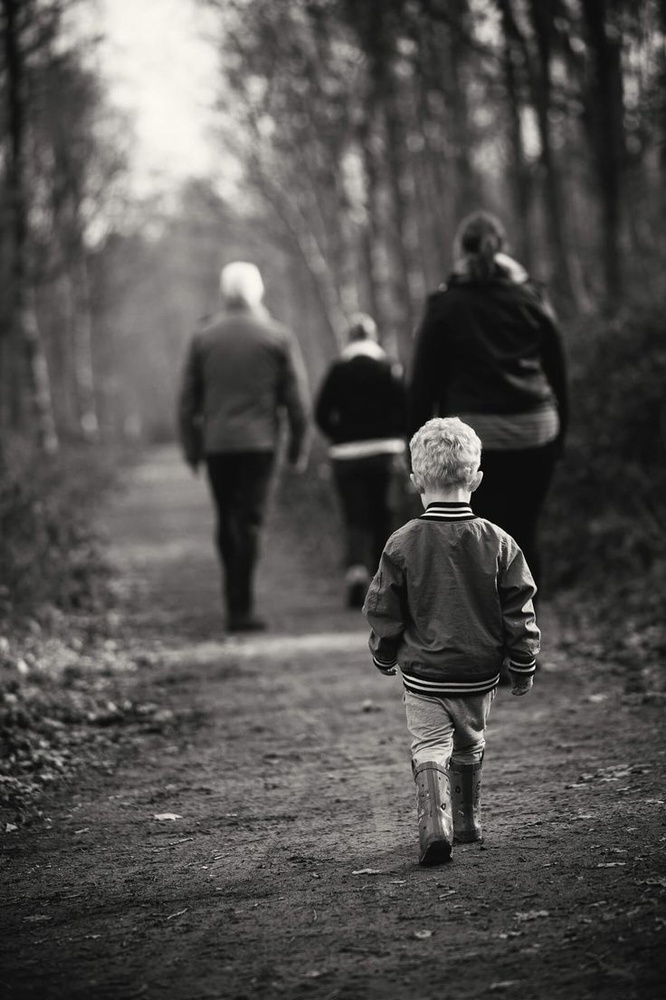
From the outside, this family works.
Inside, it survives.
We love each other, I know that much is true.
But loving each other
and knowing how to live together
are not the same thing.
Still, there is good here.
So much of it.
Tenderness hidden in routine.
Care disguised as control.
Hope buried beneath expectation.
Maybe family is not the place where harm never happens.
Maybe it is the place where harm is dressed so carefully
it almost looks like love.
And maybe that’s why
we keep setting the table
the same way every night.


 375