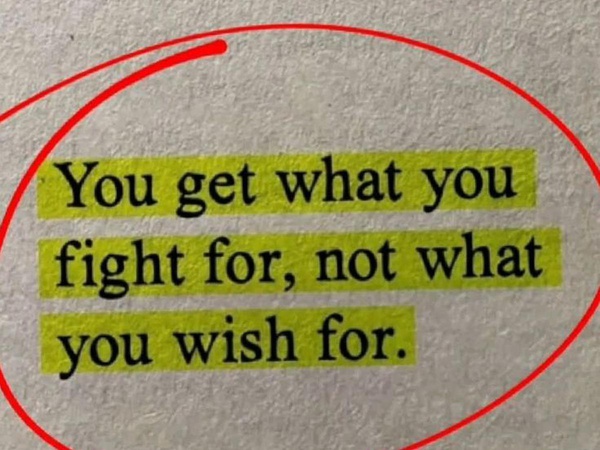
Motivation Without Discipline Is Nothing
We often talk about motivation as though it's the secret ingredient to success. We wait for it to arrive before we start studying, working on our goals, exercising, learning a new skill, or making a change in our lives.
We usually tell ourselves,
I'll start tomorrow.
I'll do it when I feel motivated.
I'll get serious when I'm in the right mood.
And sometimes, we do. We really do.
We wake up one morning feeling inspired and filled with so much juice that makes us feel like we can do it all
. Suddenly, we have a list of goals and a perfectly organized schedule, ready to conquer everything.
But then tomorrow comes.
We're tired. The excitement has worn off. The task isn't as interesting as it seemed yesterday, and suddenly, that goal we were so passionate about doesn't seem quite as important.
So we postpone it.
Again.
And again.
Until weeks have passed, and we're left wondering where all that motivation went.
Here's the thing: motivation is a feeling, not a commitment. It's something that goes and comes.
It can inspire you to begin, but it cannot guarantee that you'll finish. It is temporary, unpredictable, and often dependent on circumstances beyond your control. If you rely entirely on how you feel to determine what you do, you'll find yourself constantly starting over.
This is where discipline comes in.
Discipline is important because it is doing what needs to be done, even when you don't particularly feel like doing it.
It's choosing to study when you'd rather scroll through your phone. It's practicing a skill when progress seems painfully slow. It's showing up for yourself even when nobody is watching, praising you, or holding you accountable.
And no, discipline doesn't mean being productive every second of the day. It doesn't mean exhausting yourself, ignoring your needs, or punishing yourself for having an off day.
It means understanding that your goals deserve more than the occasional burst of enthusiasm.
Think about it.
You could be incredibly motivated to become a good artist, but if you never practise, how much will you improve?
Barely. Or even never.
You could dream of getting excellent grades, buy all the necessary textbooks, create the most beautiful study timetable known to humanity, and still achieve very little if you never actually sit down to study.
Think of it like this. A plan is not progress. An intention is not an achievement. And wanting something badly doesn't automatically bring you closer to it.
Your actions must eventually match your ambitions.
This isn't to say motivation is useless. Quite the opposite. Motivation is a wonderful starting point. It gives you a reason to begin, reminds you why you're working towards something, and makes the journey feel exciting.
But discipline is what keeps you going when that excitement disappears.
And perhaps the most important thing to understand is that you don't have to wait until you become a naturally disciplined person.
Discipline is built.
So we should start small. Set realistic expectations. Create routines you can actually maintain or adjust your routine to what YOU are capable of.
Stop making promises to yourself that you have no intention of keeping. And when you fall behind, don't spend so much time feeling guilty that you forget to get back up.
You won't get everything right every day. That's fine.
What matters is learning not to abandon your goals simply because you've had a bad day.
At the end of the day, motivation might get you out of the starting blocks, but discipline helps you stay in the race.
Don't just be someone who dreams about the life they want. Become someone who is willing to put in the consistent ef
fort to build it.
Because motivation without discipline is nothing more than a good feeling attached to an unfulfilled intention.


 25