Score |
111


𝑫'𝒙𝑪𝑬𝑳𝑳𝑬𝑵𝑻 ™ ✍️🥇
 Content Writer @ University of Ilorin



WHILE I WAS STRUGGLING, I WAS BECOMING
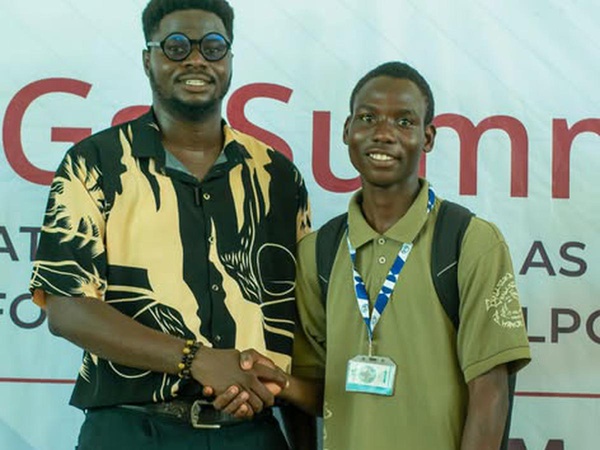
<h2><strong>MORE THAN MY MOMENT: EPISODE THREE</strong></h2><p>By the time I reached 300 level, my relationship with History had begun to change. I was starting to understand the discipline, and some of the people around me helped me see it differently. I began to realise that my earlier assumptions about the course had been incomplete.</p><p><br/></p><p>But while I was slowly finding my place academically, other parts of my life were developing. I was becoming more involved in youth advocacy, writing, communication, digital skills, and community work. I was learning things outside the classroom, meeting people with different experiences and discovering opportunities I had not known existed when I first entered the university.</p><p><br/></p><h2><strong>I BEGAN LOOKING BEYOND THE CLASSROOM</strong></h2><p>My background influenced how I viewed opportunities for young people. I knew what it meant to have ambitions but lack the resources to pursue them easily. I had experienced financial difficulties, and I understood how circumstances could affect a person's plans.</p><p><br/></p><p>I wanted to contribute in whatever ways I could. Sometimes that meant writing. At other times, it meant participating in youth initiatives, supporting community projects, engaging with networks or learning from people working in different fields.</p><p><br/></p><p>I also developed an interest in web development. I did not have everything figured out, and I still consider myself an aspiring web developer. But I kept learning, improving my writing and exploring ways to use digital skills to create value.</p><p><br/></p><p>Gradually, I was becoming someone whose university experience extended beyond attending lectures and preparing for examinations.</p><p><br/></p><p>I was still a student struggling with his academics, but I was also building interests, relationships and experiences that would become important parts of my life.</p><p><strong><br/></strong></p><h2><strong>OPPORTUNITIES I NEVER EXPECTED</strong></h2><p>Over time, doors I never imagined began to open, leading to scholarships, awards, and global youth networks stretching far beyond Nigeria.</p><p><br/></p><p>A definitive moment came in 2025 when I was named as one of the final 50 scholars for the Yusuf Olaolu Ali Foundation Scholarship—selected from a highly competitive pool of 1,753 tertiary students in the Ilorin selection process. </p><p><br/></p><p>Along the way, my dedication was honoured with the Most Active Ambassador Award by AIIDEV Africa, and my works were featured in several international publications. These platforms allowed me to dive deep into youth advocacy, climate action, and editorial work, ultimately giving me the privilege to impact the lives of over 500 young people.</p><p><br/></p><p>I mention these achievements because they are part of my story. They did not mean that everything in my life was suddenly going well. I still had academic disappointments, financial responsibilities, and personal challenges to navigate.</p><p><br/></p><p>However, this journey taught me a vital truth: one difficult area of your life does not define everything you are capable of becoming.</p><p><br/></p><p>I learned that I could be disappointed by a grade and still write something of immense value. I could struggle with a course and still build a skillset for the future. You can carry heavy personal burdens and still show up to do work that deeply matters to the world.<img alt="" src="/media/inline_insight_image/20251129_124850.jpg"/></p><p><br/></p><h2><strong style=""> YOU MUST BE EXCELLENT?</strong></h2><p>There is something interesting about my moniker,<strong> "Excellent."</strong> I have never cared for popularity, nor do I want my life to be a public performance for attention. However, through my work at the University of Ilorin, people naturally began to recognize me. </p><p><br/></p><p>For me, the name is about a personal standard. I don’t want to blend in or put on a show; I just want to be unique, always aiming for excellence in everything I do.</p><p><br/></p><p>Sometimes, I would meet people who knew me through my writing or initiatives, asking:</p><blockquote><strong>“You must be Excellent?</strong></blockquote><p>It was a grounding experience because it proved that my work was actually reaching people and creating meaningful connections.</p><p><br/></p><p>Yet, many of those people did not necessarily know what my academic journey looked like behind the scenes.</p><p><br/></p><p>They might have known the writer, the youth advocate or the person representing an initiative. They might have seen the opportunities and recognitions. </p><p><br/></p><p>They did not always see the student who was disappointed by his results, the young man trying to manage his expenses or the person dealing with illness.</p><p><br/></p><p>All those versions of me existed at the same time. While I was struggling in some parts of my life, I was growing in others. Sometimes, I found it difficult to understand how both realities could exist together.</p><p><img alt="" src="/media/inline_insight_image/pro_image.jpg"/></p><p><strong><br/></strong></p><h2><strong>THE FINAL YEAR I IMAGINED</strong></h2><p>When I entered my final year, I still hoped to improve my academic performance. I wanted to finish well and graduate with a stronger classification. After everything I had experienced, I wanted my results to reflect the effort I had tried to put into my studies.</p><p><br/></p><p>My project supervisor was supportive. I worked on my project, and I remember being told that I would get a B. When the result came out, I received a C.</p><p><br/></p><p>That was another disappointment, but it was not the most difficult part of my final year. My health became a serious concern again. I became very ill, needed medical attention and missed examinations. </p><p><br/></p><p>I was worried about my graduation. My classmates were completing their examinations, taking pictures and signing out, while I was uncertain whether I would graduate with my set.</p><p><br/></p><p>I remember hiding away and feeling sad as others celebrated. I had spent years trying to reach that point. I had made sacrifices, faced setbacks, and hoped that the final year would bring some relief.</p><p><br/></p><p>Instead, I was worried about whether I would finish at all. I obtained medical reports and followed the necessary administrative steps to address the examinations I had missed. It took roughly three weeks after the main examinations for me to sit some of my outstanding papers.</p><p><strong><br/></strong></p><h3><strong>THE MEMORY THAT STAYED WITH ME</strong></h3><p>During our induction into the History Society of Nigeria, people were celebrating and taking pictures. Friends were enjoying the occasion and wondering why I was not there with them.</p><p><br/></p><p>I was in the exam hall alone, writing all my outstanding examinations. I was missing a moment I had expected to share with my classmates because I was still trying to complete the academic requirements for graduation.</p><p><br/></p><p>That contrast was difficult to accept. I could not understand why a journey that had already been difficult had become even harder at the point when I expected to be finishing.</p><p><br/></p><p>I cried. I had imagined a different final year. But eventually, I had to recognise that my health mattered beyond the pressure to graduate alongside everyone else. I could not keep treating my well-being as unimportant simply because I wanted to finish on time.</p><p><br/></p><h2><strong>WHAT I AM TAKING FORWARD</strong></h2><p>I completed my outstanding examinations, but the experience affected me. My final result was not what I had hoped for, and I was disappointed. I will not pretend otherwise.</p><p><br/></p><p>Still, when I look back at my time at the University of Ilorin, I see more than a degree classification. I see the writing I developed, the skills I began learning, the opportunities I received, and the young people and communities I was able to engage with.</p><p><br/></p><p>I also see the mistakes, the disappointments, and the things I wish had gone differently. I have learned that determination matters, but it cannot solve everything on its own. </p><p><br/></p><p>Sometimes we need support. Sometimes we need rest. Sometimes we need help navigating an institution, and sometimes we need to acknowledge how much a difficult experience has affected us.</p><p><br/></p><p>I am still learning these lessons. I have not figured everything out, and I do not want to present myself as someone who has.</p><p><br/></p><p>As I approach graduation, I am learning to acknowledge every part of this journey: the boy who entered university wanting to study Linguistics, the student who struggled with his results, the writer, the aspiring web developer, the youth advocate and the person who kept trying to understand his place in the world.</p><p><br/></p><p>My academic disappointments are part of my story, but they are not the whole story.</p><p><em><br/></em></p><p><strong><em>**I was struggling, but I was also becoming.**</em></strong></p><p>And now, I am approaching the end of this chapter with a clearer understanding of what it has meant to me.</p><p><br/></p><h4>To be continued in Episode Four: More Than My Moment.</h4>


 15


More in this series
More insights from 𝑫'𝒙𝑪𝑬𝑳𝑳𝑬𝑵𝑻 ™ ✍️🥇





Contributor Points

Points-to-Coupons

Referral Earning

Insights for you.


Let's Forikori
Honestly, I have been hearing "Olodo Uprising" for the longest time, and I think it's h...
240 views
36 upvotes
30 comments


My journey:From the Gates of UniAbuja...
The dust of Gwagwalada hung in the air, a familiar yet distinct scent that marked the b...
458 views
27 upvotes
39 comments


HOW PETTY THEY CAN BE
I've always enjoyed Spotify and other streaming services, I mean if nothing I get to co...
712 views
35 upvotes
25 comments

I won guys
I won English guys. I had done all the typing and guess what I lost it. Don't worry I'm...
145 views
24 upvotes
25 comments

The Final Stretch
Burning Candles, Sweaty Eyes and a Packed Brain. 😭A packed brain that has refused to ac...
84 views
26 upvotes
28 comments


LIFE OF A FUTURE DIPLOMAT (I GUESS) T...
Okay, hi.My name is Nomshu, but most people here know me as Grace, and I’m a student of...
420 views
25 upvotes
88 comments


A WORD IS ENOUGH FOR THE WISE
There is something extremely powerful about words, they hold power most never pay atten...
2336 views
17 upvotes
21 comments

I am Olodo
Insult me however you like, but don't think you are insulting me when you call me **Olo...
161 views
19 upvotes
22 comments
School is a scam
The concept of education has been debated for centuries, and its true meaning has been ...
769 views
19 upvotes
23 comments

The Bridge to Adulthood
I remember when I was in secondary school, my classmates and I had great dreams and pla...
1350 views
17 upvotes
22 comments
































