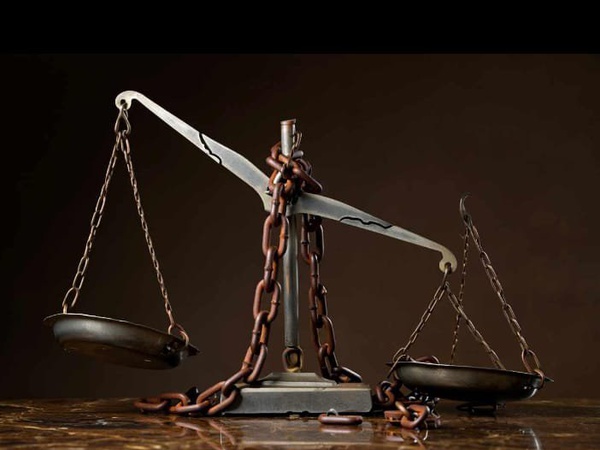
A few days ago, a video allegedly showing a man sexually assaulting a tourist by touching her breast went viral.
As usual, instead of people finding ways to seek justice, you know what they did?
Some accused her of seducing the man.
Some blamed her for getting too close to him, claiming that it made him too tempted to resist.
Some even suggested that she probably enjoyed it.
And just like that, the victim became the subject of public criticism rather than the alleged perpetrator.
Some people argued that he should face severe punishment under the law, while others questioned whether the same law would be enforced if the accused were an ordinary man without influence.
Others claimed that he was merely helping her clean up some spilled fura.
Now, because of his influence, some people fear he might escape punishment, while the woman is being ridiculed and called all sorts of names simply because she spoke out.
But I have one question: Who should be held responsible?
The person accused of committing the assault? Absolutely. But what about those who deliberately turn a victim's pain into entertainment? Those who threaten, ridicule and blame victims for speaking out? Those who use their influence to silence people rather than encourage accountability?
Don't they have a role to play in sustaining a society where violence thrives?
This is one of the reasons many victims choose silence over speaking out. What is the essence of seeking justice when speaking up only brings more humiliation, threats and public ridicule?
We see situations where a girl is raped, and instead of demanding justice, people start asking questions like, "What was she wearing?"
When did clothing become permission? When did proximity become consent? And when did a person's influence become an excuse to escape accountability?
Violence should never be excused, regardless of who commits it. Accountability should not be reserved for the poor masses. Everyone, regardless of their status, position or influence, should face the consequences of their actions.
Communities also have a responsibility. We must stop protecting perpetrators, stop making victims feel guilty for speaking out, and start creating an environment where survivors can seek justice without becoming victims of public harassment all over again.
Saying no to violence goes beyond condemning the person who commits it. It means refusing to justify it, refusing to enable it and refusing to remain silent when victims are being mistreated.
So, who should be held responsible? The perpetrator, yes. But also every person who helps violence survive through excuses, intimidation and silence.
Condemning violence shouldn't happen only when a crime has been committed; it should be a daily conversation.



 7