We all know Nigeria is underdeveloped, and when we talk about it's underdevelopment several things come to mind: bad leadership, corruption, insecurity, unemployment and many more. However, among the many factors responsible for our slow development, poverty and illiteracy remain two major concerns. While both have contributed to our present situation, I strongly believe that poverty, not illiteracy, is the greater bane of underdevelopment in Nigeria.
One in 20 young Nigerian graduate has a story to tell. I once heard of one who has spent four or five years in the university, acquired knowledge and graduated with good grades. He has a brilliant business idea but cannot afford the capital to bring it to life. But there lies another individual with little or no formal education but access to financial resources and opportunities to establish a business. Who is more likely to contribute immediately to economic growth? This is not to undermine the importance of education, but to show that knowledge without opportunity can remain unused.
I can also relate this to a personal experience. My uncle graduated from the university, spent years after graduation searching for opportunities, and eventually secured a marketing job at Globus bank that pays him just ₦60,000 monthly when he started, he has 2 children when he started ooo. After all those years of studying, that is what the system could offer him. Now, the question is, is the problem that my uncle lacks education, or that the opportunities available to him are simply not enough? How many other graduates are in similar situations across Nigeria? This is one of the realities we cannot afford to ignore.
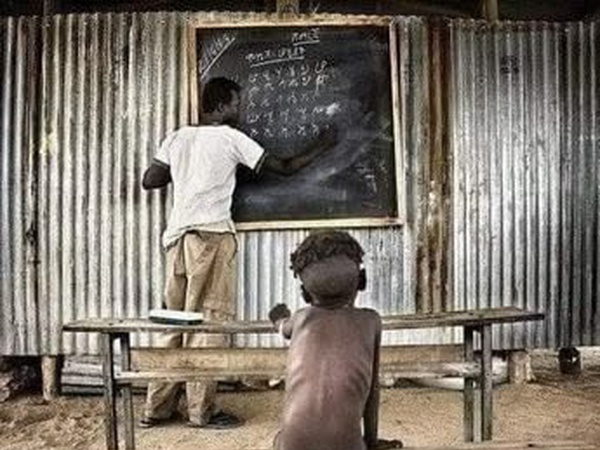
Let's look at this too,, poverty is one of the major reasons many children are denied access to education. Consider a young boy who wakes up every morning to hawk goods on the streets instead of going to school because his parents cannot afford his education. Is that child necessarily unwilling to learn, or has poverty placed him in circumstances beyond his control?
We cannot continue to discuss illiteracy without addressing the economic conditions that make education inaccessible to many.
I'm not saying illiteracy is not a serious problem, but it limits people's access to information, reduces opportunities and makes it difficult for them to make informed decisions especially in Nigeria. However, poverty goes beyond the classroom. It affects healthcare, security, businesses, productivity and the general standard of living. In nation like Nigeria where people struggle to afford food, shelter and basic healthcare cannot achieve meaningful development simply by increasing the number of educated graduates.
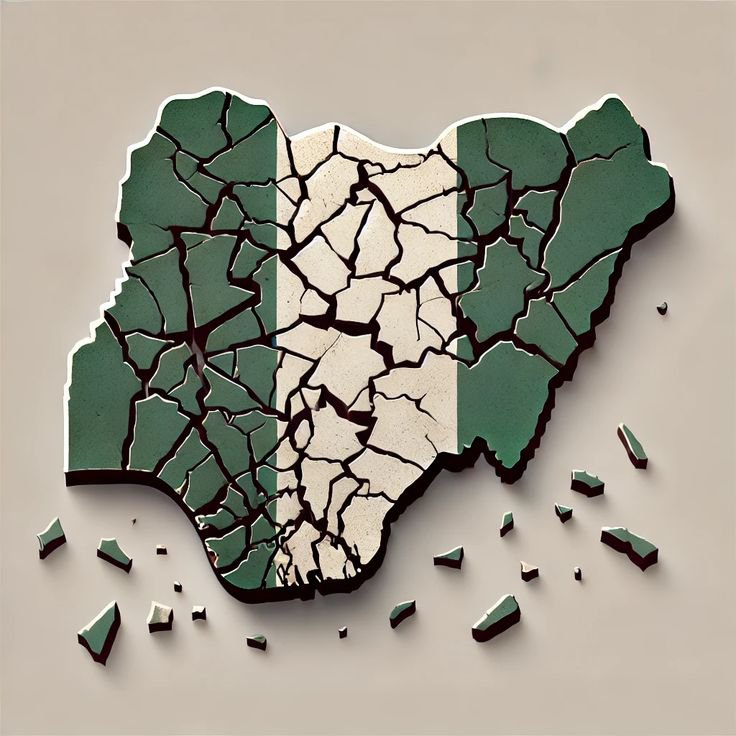
To conclude this, poverty and illiteracy are intertwined, and both deserve attention. However, I believe poverty is the greater problem because it creates conditions that make other problems difficult to solve. We cannot continue to preach education to people who cannot afford to stay in school, or encourage entrepreneurship without creating access to capital and opportunities. Education may teach a man how to build a better future, but poverty can deny him the tools to build it. Until we address the economic conditions that keep millions of Nigerians struggling to survive, our journey towards meaningful development will remain incomplete.
May we get better!


 21